The 100-Year Façade
Designing Building Envelopes That Outlast Generations
Modern architecture is often celebrated for innovation, speed, and visual impact. Yet behind every striking building lies a fundamental question that is rarely discussed: how long will its façade truly last?
While buildings themselves are frequently designed with lifespans exceeding a century, the façades that define their performance and appearance are rarely engineered for the same timeframe. Many contemporary façade systems are designed around lifecycle expectations of 25 to 40 years, after which significant refurbishment, replacement, or remediation becomes necessary.
This gap between architectural ambition and façade longevity raises an important challenge for the built environment: what would it take to design a façade that genuinely lasts 100 years?
Beyond the Typical Lifecycle
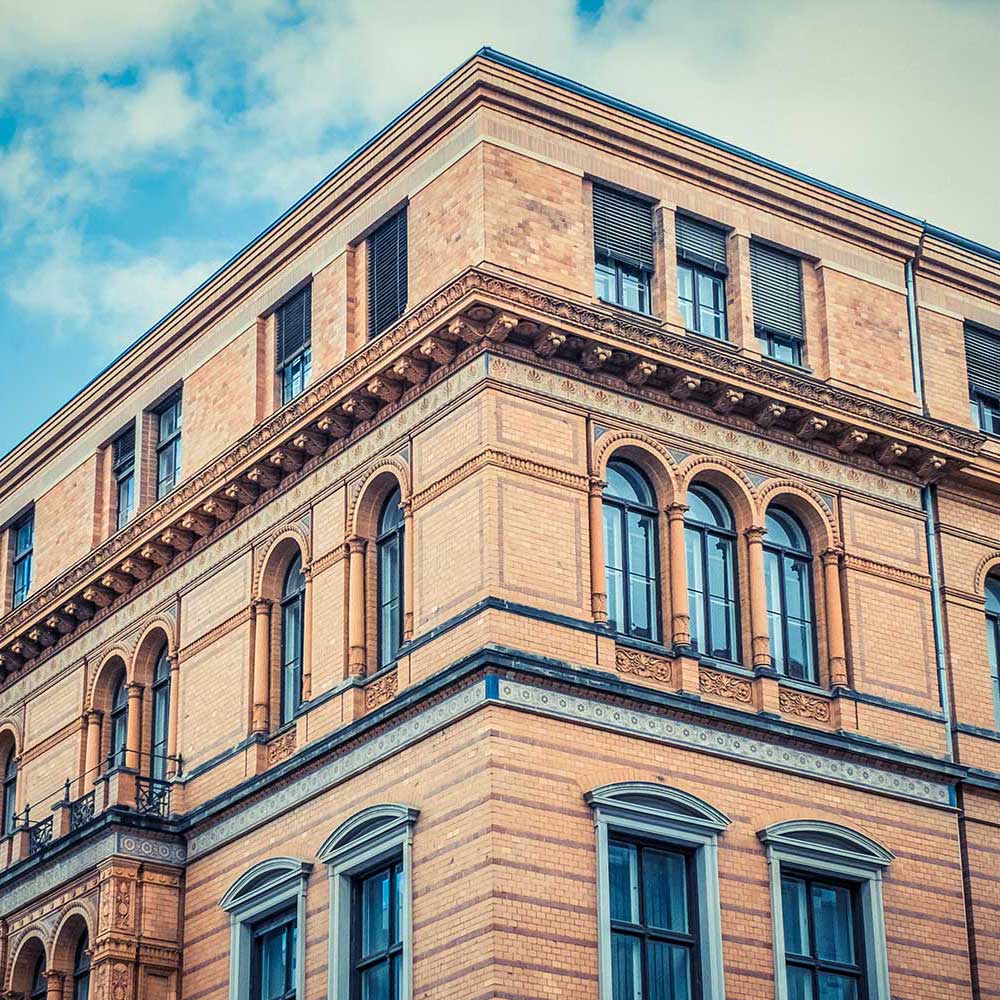
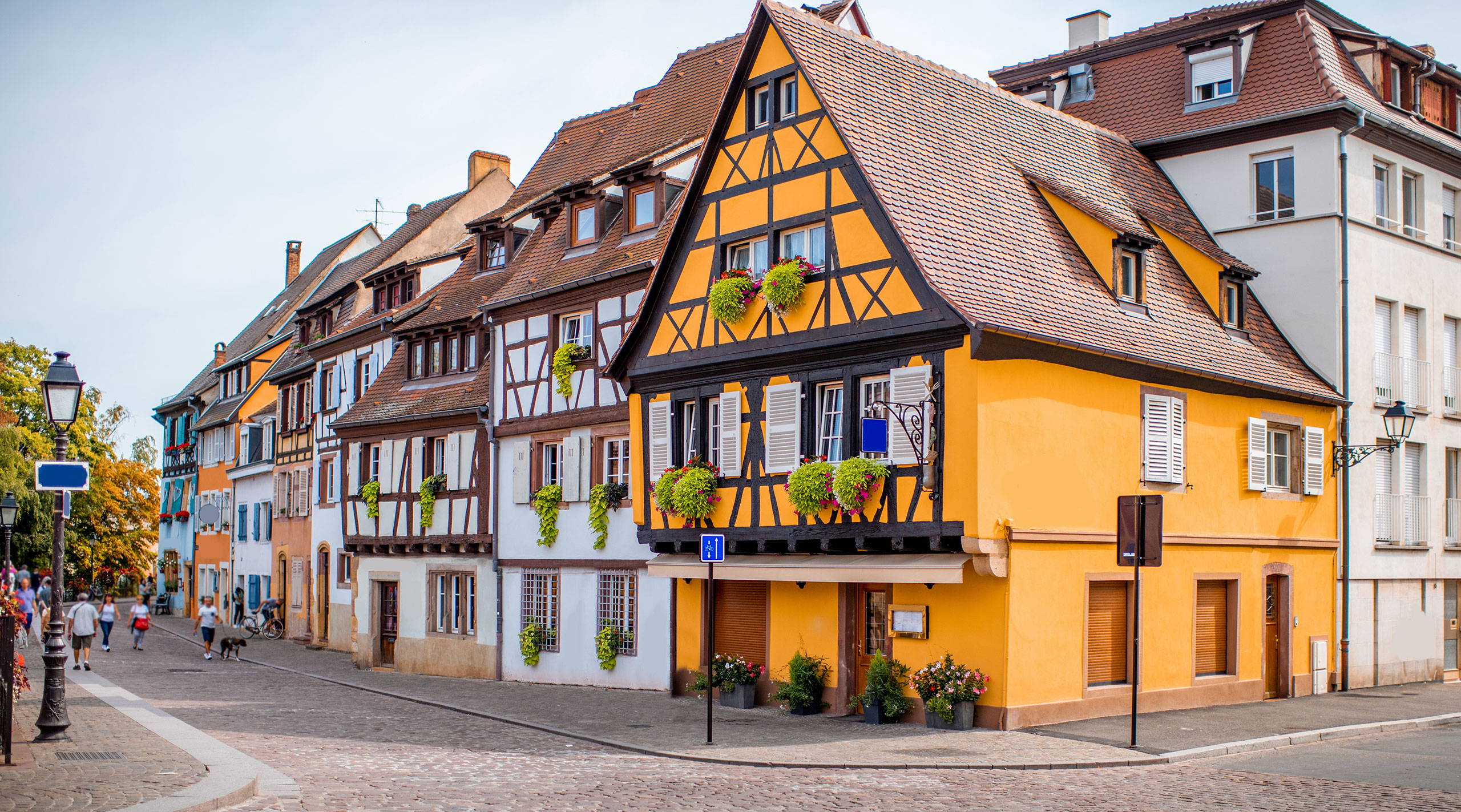
Historically, building façades were constructed using materials that naturally endured for generations. Stone, brick, and terracotta façades in historic cities around the world have survived for over a century with relatively minimal intervention. Their durability was a product of simplicity, mass, and material resilience.
Contemporary façade systems, however, are significantly more complex. Today’s envelopes often consist of multilayer assemblies including glazing units, aluminium frames, sealants, gaskets, insulation layers, membranes, and structural fixings. While these systems offer impressive performance in terms of thermal efficiency and aesthetics, they also introduce numerous components that age at different rates.
Sealants degrade. Glazing units lose gas fill. Mechanical fixings experience fatigue. Even minor component failure can compromise the performance of an entire façade system.
Designing a façade capable of lasting a century therefore requires a fundamentally different approach – one that moves beyond short-term performance metrics and considers long-term resilience, maintenance strategy, and adaptability.
Materials That Stand the Test of Time
The foundation of any long-life façade lies in the materials selected. Not all façade materials are equal in their capacity to endure decades of environmental exposure.
Natural stone, precast concrete, and high-quality ceramic materials have proven track records of durability that span generations. Metals such as stainless steel and certain treated aluminium systems also demonstrate strong resistance to corrosion when properly detailed.
However, material longevity alone does not guarantee façade durability. The connections, joints, and interfaces between materials often determine the true lifespan of the system. A façade built with durable materials can still fail prematurely if these interfaces are not carefully engineered.
For this reason, long-life façade design requires a focus on material compatibility, movement tolerance, and environmental resistance across the entire assembly.
Designing for Maintenance, Not Just Installation
One of the most common oversights in façade design is the assumption that systems will remain largely untouched after installation. In reality, every façade requires inspection, maintenance, and occasional component replacement throughout its lifecycle.
A 100-year façade must therefore be designed with accessibility and serviceability in mind. Components that are likely to degrade – such as sealants, gaskets, or mechanical parts – should be accessible for replacement without dismantling large sections of the building envelope.
This approach shifts the design philosophy from “build and forget” to “build and maintain.”
Façade systems that accommodate planned maintenance are far more likely to remain functional over extended periods, avoiding costly and disruptive large-scale remediation projects.
Climate Resilience Over a Century
Designing for a 100-year lifespan also means anticipating environmental conditions that may not yet exist.
Buildings constructed today will experience climate conditions that differ significantly from those present during their design stage. Rising temperatures, more intense rainfall events, and stronger wind patterns are already influencing how buildings perform.
A façade intended to endure for generations must therefore incorporate future climate resilience. This includes:
- Enhanced water management strategies
- Greater tolerance for thermal movement
- Robust wind load resistance
- Improved solar control strategies
In essence, the façade must be prepared not only for today’s environment but also for the conditions that the next century may bring.
Flexibility for Future Adaptation
Buildings rarely remain unchanged throughout their lifespan. Interior layouts evolve, technologies advance, and performance expectations shift.
A façade designed for long-term relevance must allow for adaptation and upgrades without requiring complete replacement. This may involve modular façade systems that allow panels or components to be replaced individually as technologies improve.
For example, future glazing systems may provide improved thermal performance or energy generation capabilities. A façade that allows glazing upgrades without altering the primary structure will remain viable far longer than one that cannot accommodate change.
Designing for flexibility ensures that the building envelope remains compatible with the evolving needs of its occupants and technologies.
The Economic Perspective
While designing for a 100-year façade may involve higher upfront investment, the long-term economic benefits can be substantial.
Major façade remediation projects are among the most expensive building interventions. They often require scaffolding, access systems, and extensive labour, disrupting building operations and increasing lifecycle costs.
By contrast, a façade engineered for durability and maintainability can significantly reduce the frequency and scale of these interventions. Over the course of a century, the savings associated with avoided replacements and repairs may far outweigh the initial investment.
Long-life façades therefore represent not just an engineering ambition, but a sound long-term economic strategy.
Rethinking the Role of the Façade
The concept of the 100-year façade invites the construction industry to rethink how building envelopes are conceived.
Rather than being treated as decorative skins applied late in the design process, façades must be recognized as critical long-term infrastructure for the building. Their performance directly influences structural protection, energy efficiency, occupant comfort, and the building’s overall lifespan.
When designed with foresight, resilience, and adaptability, the façade can become one of the most enduring elements of architecture – protecting the building not just for decades, but for generations.
Looking Toward the Next Century
As cities continue to grow and sustainability expectations rise, the construction industry faces increasing pressure to build structures that endure.
The 100-year façade represents more than a technical challenge; it reflects a broader shift toward long-term thinking in architecture and engineering. By prioritizing durability, maintainability, and adaptability, designers can create building envelopes that remain relevant long after the initial construction phase has passed.
In doing so, the façade becomes more than a visual identity for a building.
It becomes a legacy of engineering – one designed not just for today’s skyline, but for the century ahead.