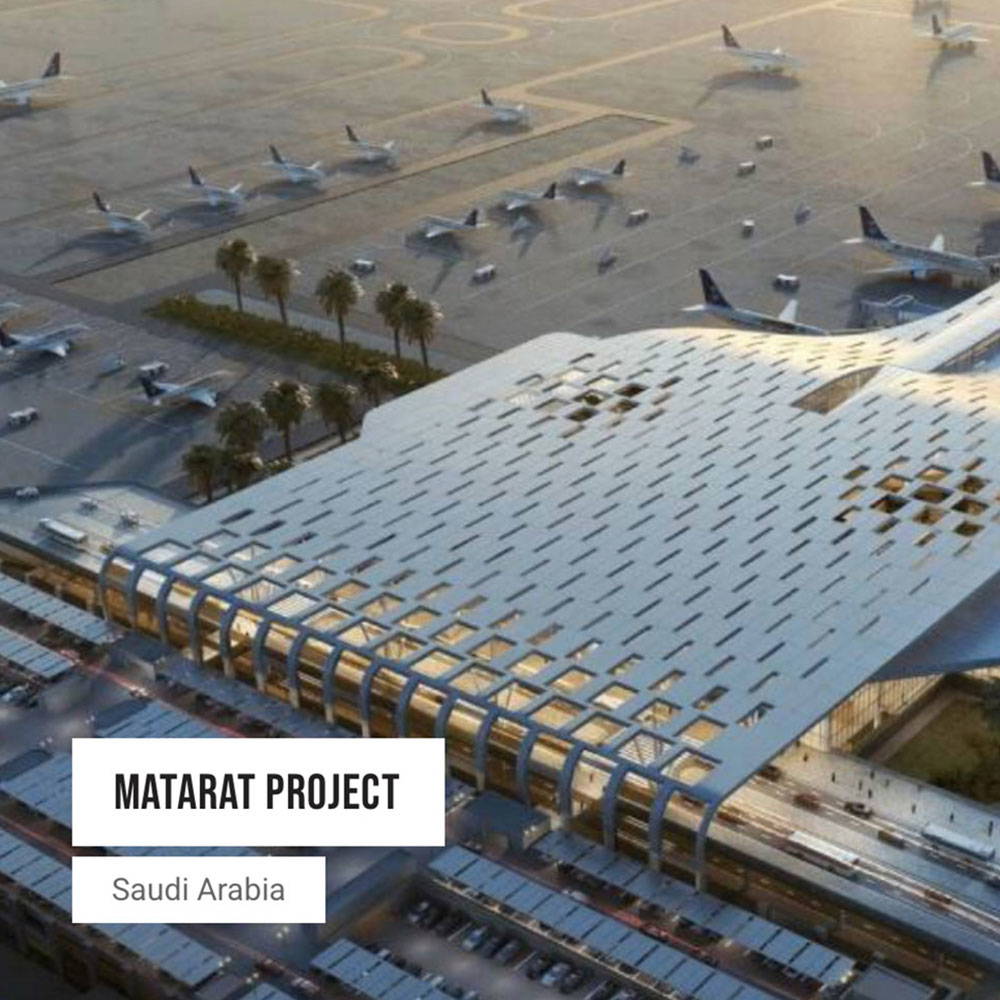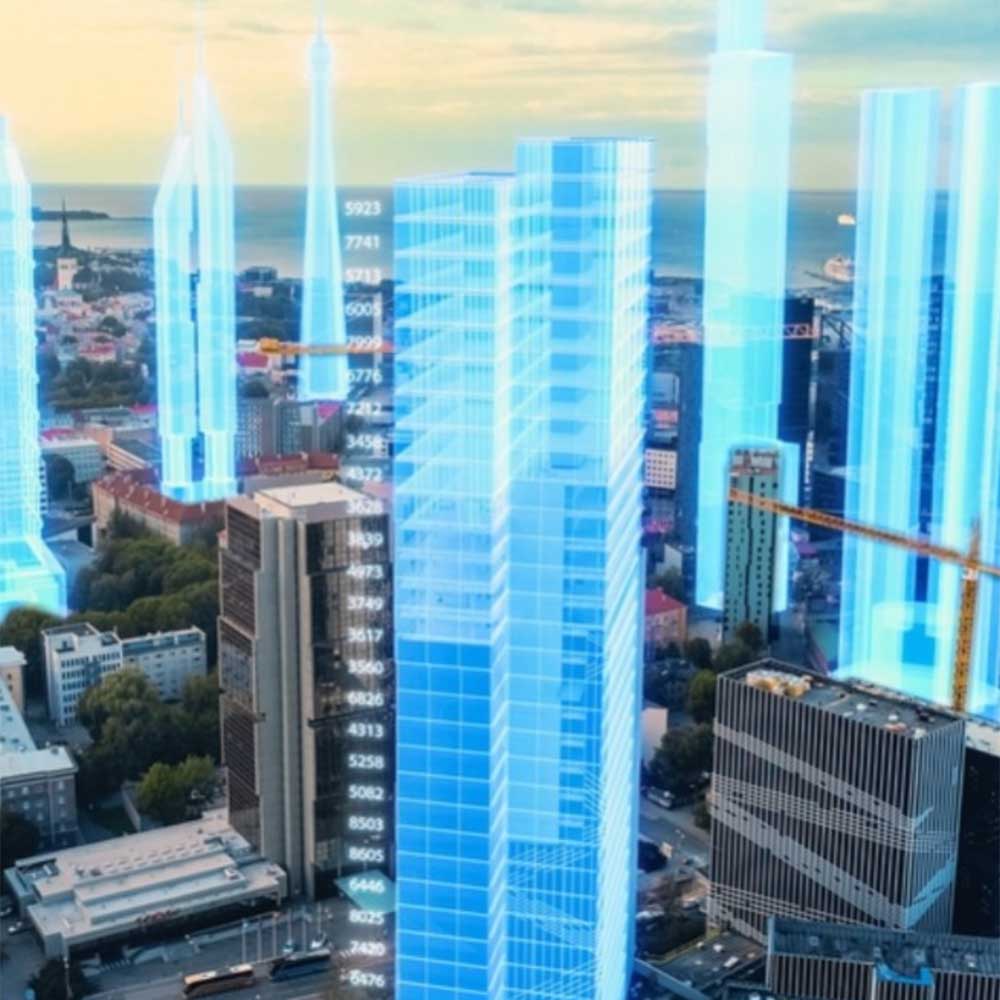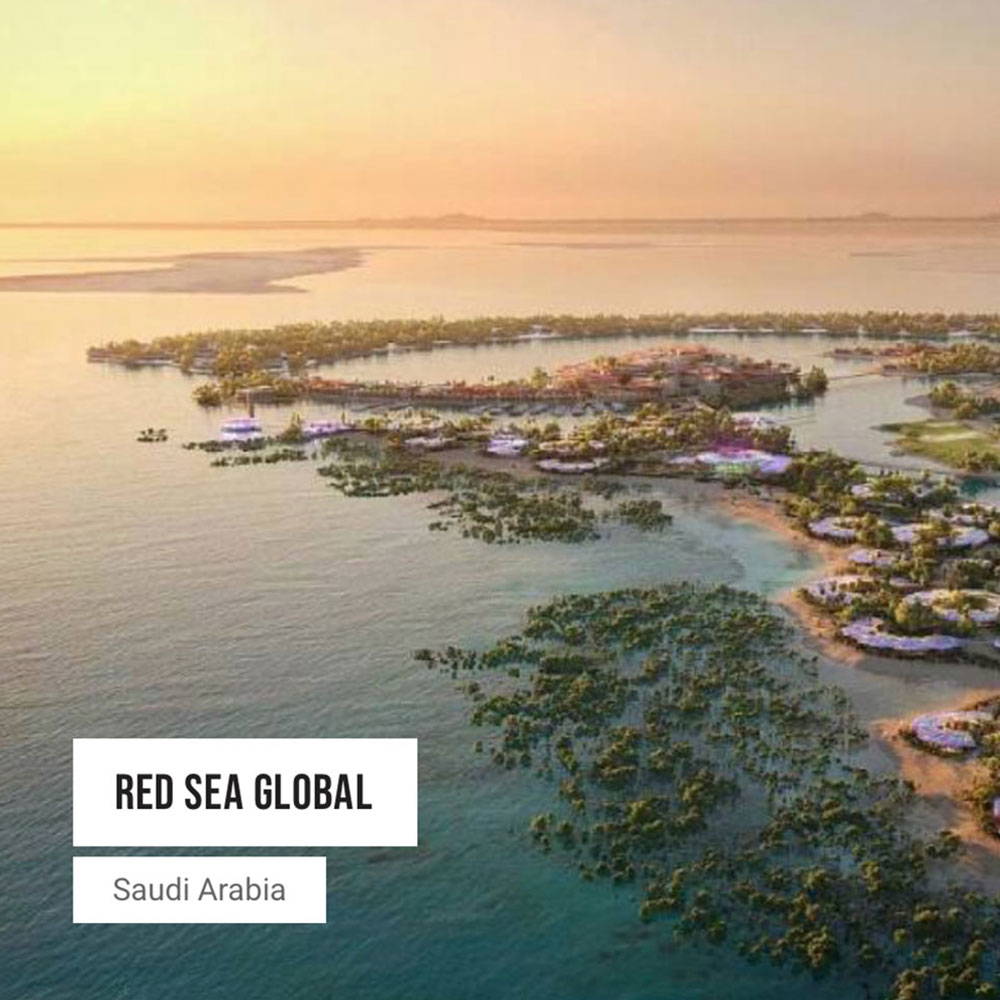
Cities are no longer shaping the climate around them
The climate is shaping the cities. In London, Dubai, Manchester, Riyadh, Toronto, and beyond, architects and engineers are confronting a new truth: the modern façade is no longer an aesthetic choice. It is a survival mechanism.
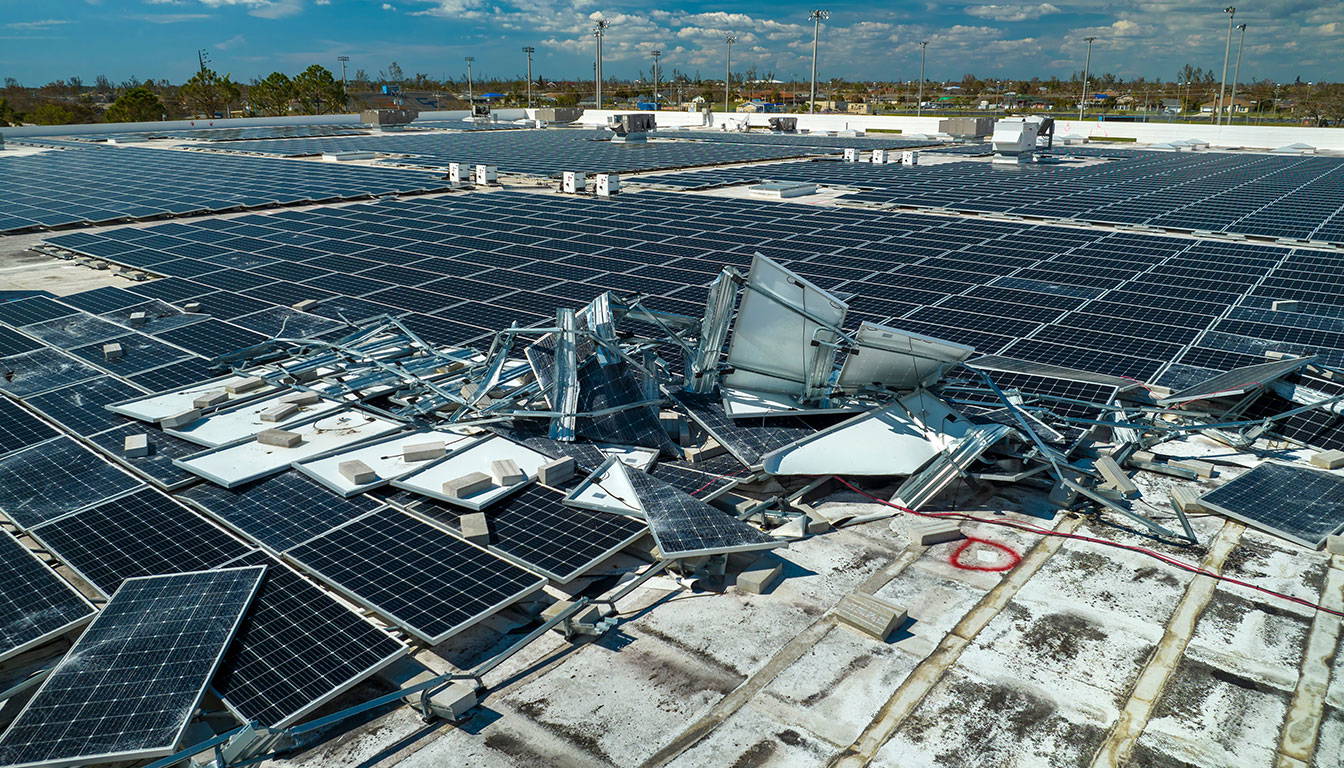
Heatwaves that buckle metal. Storms that tear at vulnerable building envelopes. Floods that overwhelm ground-level interfaces in minutes. Wind events that clash unpredictably with urban density. The pressures acting on façades today are not the pressures we designed for twenty years ago – or even five.
A resilient façade is now a city’s first line of defense. Its design is the difference between a building that thrives through extremes and one that quietly fails. At Façade Creations, every project begins with this reality at the core of our engineering philosophy.
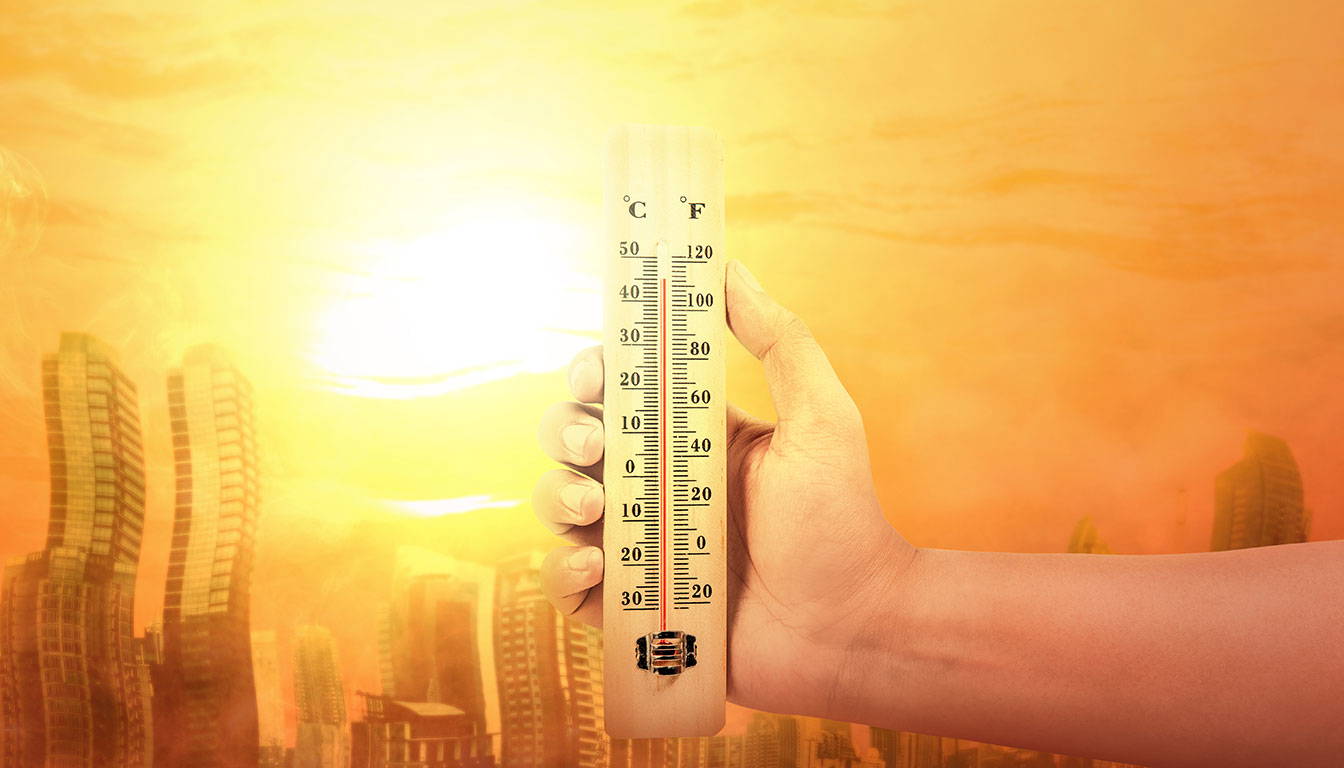
Heatwaves: Façades That Actively Cool Instead of Collapse
Extreme heat is no longer a “summer problem”; it is a structural and environmental challenge. Materials expand, seals fatigue, coatings degrade, and interior comfort drops – all without warning.
Modern façade engineering tackles this with intelligent, climate-driven strategies:
- High-performance glazing: Filters solar gain while maintaining abundant natural light.
- Ventilated façades: Create moving air columns that pull heat away rather than trapping it.
- Reflective coatings and thermal breaks: Minimize heat transfer through metal frames and glass.
- Integrated shading solutions: Dynamic external or internal systems that adapt to seasonal solar angles.
A façade that does not actively support thermal management is no longer acceptable. In heatwaves, it is not merely inefficient – it is unsafe.
Flooding: Water Management Moves Beyond Ground Level
Flooding is no longer confined to coastal cities or riverfront developments. Urban centers worldwide are experiencing rapid, extreme rainfall events that can inundate even modern drainage systems. Façades now play a crucial role in preventing water from compromising structural integrity, interiors, and fire safety systems.
Resilient façade solutions include:
- Pressure-rated systems: Designed to resist water driven by wind and gravity.
- Hydrostatic-tested joints: Ensure seals hold even under extreme saturation.
- Cavity designs with drainage paths: Move water safely out before it causes damage.
- Corrosion-resistant materials: Maintain long-term durability under repeated wet conditions.
Attention to these details is not optional – it determines whether a building recovers within hours or faces costly repairs for months.
High Winds: Engineering for Turbulence, Not Idealized Loads
Wind used to be a predictable design load. Today, gusts are amplified by urban canyons, skyscraper clusters, and storm systems with unprecedented variability.
To resist these forces, modern façades require:
- Reinforced mullions and anchoring systems: Withstand extreme pressure without compromising performance.
- Impact-tested glazing: Protects occupants and interior finishes from debris and pressure spikes.
- Pressure-equalized cavities: Prevent suction forces from pulling panels or sealants loose.
- Dynamic analysis during design: Simulates vortex shedding and urban wind interaction to preempt weak points.
A façade is not merely surviving the wind; it must adapt to it, dispersing force intelligently to prevent cascading failure.
Materials, Innovation, and Climate-Responsive Design
Resilient façades are the result of materials science, smart engineering, and precise detailing. Aluminium, steel, glass, and composites are selected not just for visual appeal, but for their thermal stability, corrosion resistance, and ability to withstand cyclic loading over decades. Sealants, gaskets, and fixings are carefully engineered to handle expansion, contraction, moisture, and UV degradation.
Emerging innovations further extend façade resilience:
- Self-cleaning and hydrophobic coatings: Maintain performance and reduce maintenance even in extreme rainfall.
- Adaptive shading and kinetic façades: Respond to solar gain and wind in real-time.
- Integrated sensors: Monitor structural health, moisture ingress, and pressure differentials to inform predictive maintenance.
These systems are no longer futuristic – they are becoming standard in climate-conscious, high-performance urban developments.
Façade Engineering as Climate Strategy
Designing façades for the new climate reality is no longer just an architectural consideration; it is a strategic environmental imperative.
Façade engineers are becoming climate interpreters. They ask:
- How will this façade behave under 45°C heatwaves?
- Can it manage flash floods without compromising interior systems?
- Will it maintain structural integrity under high-wind turbulence?
- Can it remain airtight and thermally stable for decades despite repeated environmental stress?
A well-engineered façade is more than a protective shell – it is a system that preserves life, protects assets, and enhances energy performance, even in conditions beyond what codes historically accounted for.
The Future of Façades in Crisis-Ready Cities
The buildings that thrive in the decades ahead will be those engineered to survive extremes, not just meet standards. Façades must do more than enclose – they must actively respond to environmental pressures, sustain human comfort, and extend the life of the building.
Cities are entering a new era – one defined by resilience, foresight, and intelligence. The façade is no longer a passive envelope. It is a climate tool, a safety mechanism, and an architectural statement of responsibility.
At Façade Creations, this philosophy informs every design, every material choice, and every installation. Because the buildings of tomorrow will only endure if the façades we design today are prepared for a climate that refuses to behave predictably.