Why Most “Sustainable” Facades Aren’t Actually Sustainable
Let’s talk honestly for a moment.
“Sustainable facade” is everywhere right now. It’s in proposals, presentations, websites – almost every modern building claims it. And on the surface, it sounds convincing.
But here’s the uncomfortable truth:
A large number of so-called “sustainable” facades aren’t truly sustainable.
Not when you look beyond the buzzwords. Not when you follow the building beyond handover. And definitely not when you measure performance over time.
So instead of repeating what everyone already says, let’s unpack what’s actually going on.
First Things First – What Are We Calling “Sustainable”?
Ask around, and you’ll hear things like:
- “We used recycled materials”
- “It meets green certification standards”
- “It has high-performance glazing”
- “It reduces energy consumption”
All valid points. But here’s the issue:
👉 Most projects define sustainability based on one or two positives, not the full picture.
And that’s where things quietly start to go wrong.
Because sustainability isn’t a feature – it’s a system of decisions working together over time.
The Real Problem: We Measure What’s Easy
(Not What Matters)
It’s easy to highlight:
- Energy ratings
- Material labels
- Certification badges
What’s harder – and often ignored – is asking:
- How long will this facade actually last?
- What happens when components fail?
- How often will it need maintenance?
- Can it realistically be repaired or replaced?
- What’s the true environmental cost of producing it?
So yes, a facade might look sustainable on paper.
But in reality?
👉 It could be carrying hidden environmental and financial costs that only show up later.
Let’s Talk About Glass
(Because It Deserves the Spotlight)
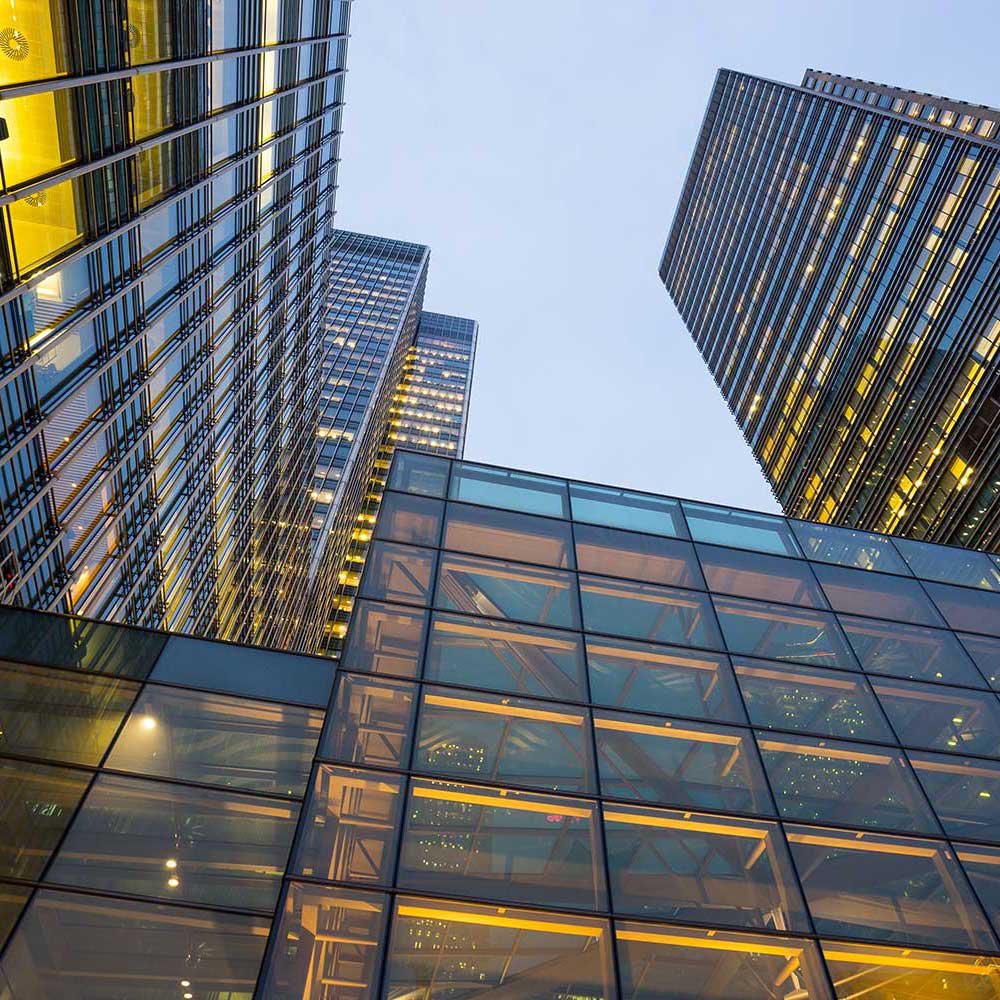
Modern architecture loves glass. And understandably – it’s clean, elegant, and visually striking.
But here’s where things get tricky.
Large glazed facades often:
- Increase solar heat gain
- Require more cooling
- Depend heavily on mechanical systems
Even with advanced coatings and technologies, too much glass – without proper balance – can turn buildings into energy-intensive systems rather than efficient ones.
So the issue isn’t glass itself.
👉 It’s how and where it’s used.
The “Green Material” Myth
There’s a common assumption:
👉 If a material is labeled eco-friendly, the facade must be sustainable.
Not quite.
Because sustainability doesn’t stop at the material label. It includes:
- Manufacturing processes
- Transportation impact
- Installation complexity
- Durability over time
- End-of-life disposal or reuse
A material might sound “green” but:
- Require high energy to produce
- Degrade faster than expected
- Be difficult to recycle in reality
Which leads to a simple but important question:
Are we choosing materials for performance – or for perception?
Certifications: Useful, But Not the Final Word
Certifications like LEED or BREEAM are valuable – they set benchmarks and push the industry forward.
But they don’t tell the full story.
Because most certifications focus on:
👉 Design intent
👉 Documentation
👉 Predicted performance
Not always:
👉 Real-world execution
👉 Long-term durability
👉 Actual building behavior years later
So yes – certification is a strong step.
But it’s not the finish line.
What We’re Missing: The Lifecycle Perspective
This is where true sustainability lives.
A genuinely sustainable facade isn’t judged at completion – it’s judged over time.
It considers:
- Embodied carbon – what it takes to make and deliver the materials
- Operational performance – how efficiently it runs year after year
- Durability – how well it holds up without constant fixes
- Maintainability – how easy (or difficult) it is to manage
- End-of-life impact – what happens when it’s replaced
Without this full view, sustainability becomes… partial at best.
So Why Does This Keep Happening?
Let’s be real – there’s no single reason.
- It’s Easy to Market
“Sustainable” is a powerful word. And sometimes, it’s used a little too freely.
- Teams Work in Silos
Design, engineering, materials, construction – everyone focuses on their piece, but not always the full system.
- Budget Pressures
When costs tighten, performance-related elements are often the first to be compromised.
- Design vs Reality
What works perfectly on paper doesn’t always translate the same way on site.
So… What Does a Truly Sustainable Facade Look Like?
It’s not about ticking boxes.
It’s about balance, intention, and long-term thinking.
A genuinely sustainable facade:
- Balances materials with durability
- Uses glazing thoughtfully – not excessively
- Reduces energy demand without over-relying on systems
- Is designed with maintenance in mind
- Performs consistently over years – not just at handover
In simple terms:
👉 It works in real life – not just in theory.
Let’s Talk Through the Questions Everyone’s Thinking
Is a glass facade sustainable?
It can be – but only when used carefully with shading, insulation, and proper design strategies. Overuse often leads to inefficiency.
Do “eco-friendly” materials guarantee sustainability?
No. They’re only one part of the equation. Lifecycle, durability, and actual performance matter just as much.
Are certifications enough?
They help – but they don’t guarantee long-term performance. Real sustainability shows up after years of use.
Is a sustainable facade more expensive?
Sometimes upfront, yes. But over time, it often reduces energy and maintenance costs significantly.
Can a facade lose its sustainability over time?
Absolutely. Poor maintenance, wear, and system failures can reduce performance if not properly managed.
So how should we evaluate sustainability properly?
By looking at the full lifecycle – from design and materials to performance, maintenance, and end-of-life impact.
Final Thought
Sustainability isn’t something you add to a facade.
It’s something you build into every decision – from concept to construction to long-term use.
Because in the end, a facade isn’t sustainable because it says so.
It’s sustainable because it continues to perform, adapt, and deliver value – quietly, consistently, and over time.
And that’s where the real difference lies.