
Engineering Foam Solutions
Lightweight Performance for Demanding Applications
Traditional foam materials often face limitations when applications demand higher thermal stability, mechanical strength, chemical resistance, or long-term durability. As industries continue to evolve, manufacturers require advanced foam solutions that deliver more than just weight reduction.
Our engineering foam solutions are developed using high-performance polymers designed to meet the challenges of modern aerospace, electronics, medical, industrial, and advanced engineering applications. By combining the benefits of lightweight foam structures with the performance characteristics of engineering-grade materials, we create solutions that offer exceptional strength-to-weight ratios, enhanced durability, and reliable performance in demanding environments.
Advanced manufacturing techniques allow us to produce fine cellular structures and application-specific densities, enabling foam materials to be tailored to precise performance requirements. The result is a versatile material solution that balances lightweight design with mechanical integrity, thermal stability, and resistance to challenging operating conditions.
Whether the goal is weight reduction, thermal insulation, impact absorption, or structural support, engineering foam provides a new level of design flexibility for next-generation applications.
Why Choose Engineering Foam?
Key Benefits of Engineering Foam
Expanded Material Possibilities
Our engineering foam solutions utilise advanced polymer technologies that deliver enhanced performance characteristics, opening new opportunities for applications where conventional foam materials may not be sufficient.
Customisable Density
Material density can be precisely tailored to meet specific application requirements, ranging from ultra-lightweight configurations designed for weight reduction to more robust structures developed for increased strength and durability.
Enhanced Performance
Engineering foam combines lightweight construction with exceptional mechanical strength, thermal stability, impact resistance, and insulation properties, helping improve overall product performance in demanding environments.
Lightweight Efficiency
Reduce component weight without compromising structural integrity, enabling improved efficiency, easier handling, and greater design flexibility across a wide range of applications.
Designed Around Your Requirements
Every application has unique challenges. Engineering foam solutions can be adapted to meet specific performance, environmental, and operational requirements, helping create more effective and reliable products.
Material Profiles for Engineering Foam Applications
Selecting the Right Material
Each engineering foam material offers distinct performance advantages. The optimal choice depends on factors such as operating temperature, chemical exposure, mechanical loading, flame requirements, weight targets, and application-specific performance criteria.
Our team can help identify the most suitable material solution based on your technical and operational requirements.
Formats & Delivery Options
Our engineering foam solutions are designed to support product development, testing, prototyping, and application-specific projects. This flexible approach allows materials and formats to be evaluated and refined before moving into larger-scale production.
Available Formats
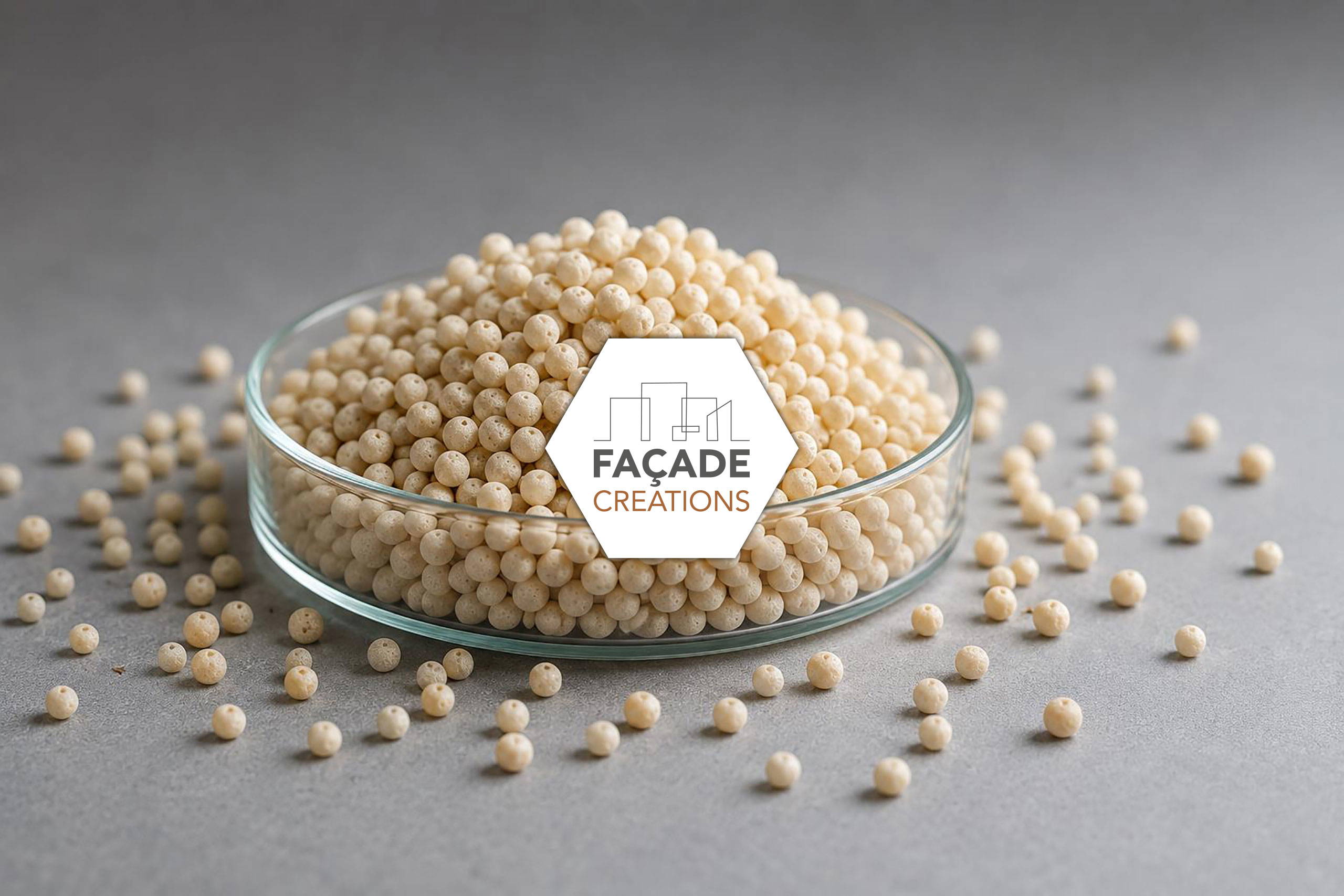
Foam Beads
Available in a range of densities for material evaluation, product development, and performance testing.
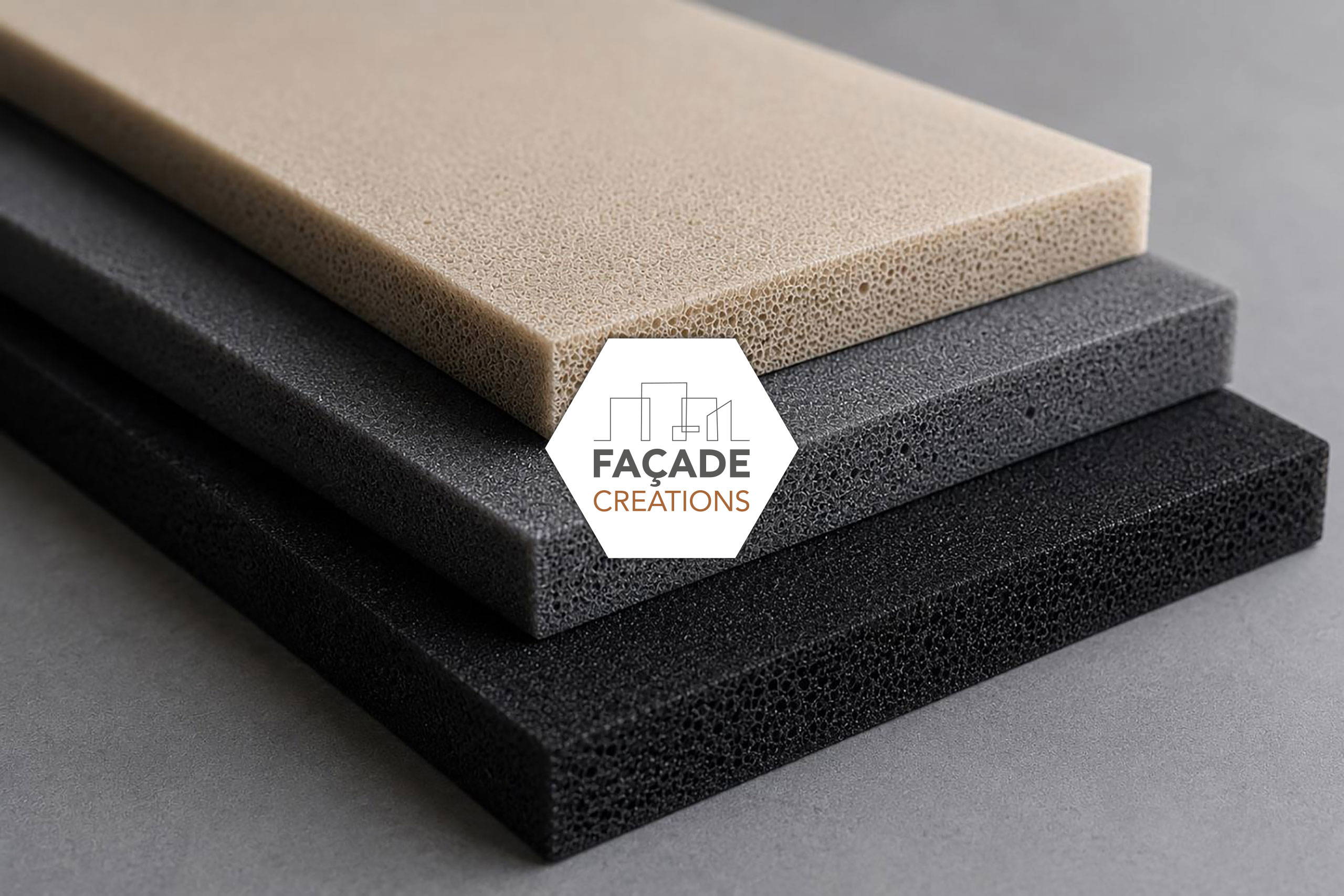
Foam Sheets
Supplied in sample and development formats for prototyping, design validation, and application assessment.
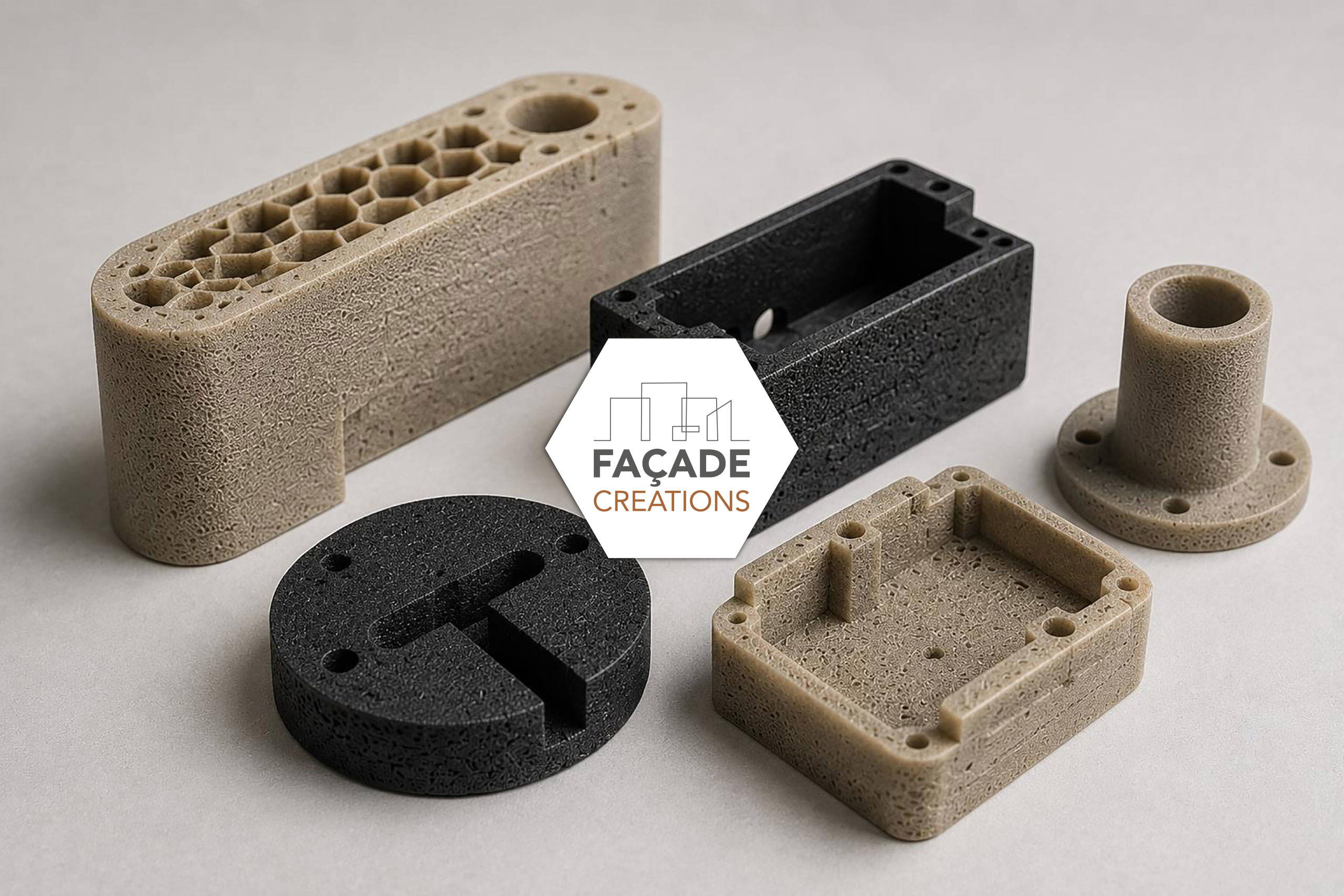
Custom Components
Application-specific foam parts developed to meet unique performance, dimensional, and functional requirements.
Benefits
Flexible Material Development
Material properties can be tailored to achieve specific density, cell structure, and performance objectives.
Collaborative Prototyping
Work closely with our team to evaluate concepts, optimize designs, and accelerate product development.
Technical Development Support
Access expert guidance throughout the development process, from material selection and testing to prototype validation and final implementation.
Application-Focused Solutions
Every project is approached with the goal of delivering a foam solution aligned with the technical, operational, and performance requirements of the application.
Start Your Engineering Foam Project
Discover new possibilities with advanced engineering foam solutions designed for applications where conventional materials reach their limits.
Whether your goal is reducing weight, improving thermal performance, enhancing durability, or developing a completely new product concept, our team is ready to help you identify the right solution for your application.
Let’s work together to develop foam materials and components tailored to your technical requirements, performance objectives, and operational challenges.
Speak with our team today to explore how engineering foam can help unlock new opportunities for your next project.
Frequently Asked Questions
Why choose engineering foam over conventional foam materials?
Engineering foam combines lightweight construction with enhanced mechanical strength, thermal stability, and durability. This makes it suitable for applications where traditional foam materials may not meet performance requirements.
Can engineering foam be customised for specific applications?
Yes. Material characteristics such as density, cell structure, mechanical performance, and thermal properties can be tailored to support specific application requirements and operating conditions.
How does engineering foam perform in demanding environments?
Engineering foam is designed for applications that require reliable performance under challenging mechanical, thermal, and environmental conditions. Depending on the selected material, it can offer excellent resistance to heat, chemicals, impact, and long-term loading.
What types of components can be produced using engineering foam?
Engineering foam can be used to create a wide variety of products, including lightweight structural components, insulation solutions, protective elements, impact-absorbing parts, and application-specific custom components.
Is engineering foam suitable for production applications?
Engineering foam can support everything from concept development and prototyping to production-ready solutions. The suitability depends on the application’s technical requirements, production volumes, and performance expectations.
Which industries benefit most from engineering foam solutions?
Engineering foam is particularly valuable in industries where weight reduction, thermal performance, durability, and design flexibility are important. Common applications can be found in aerospace, electronics, medical technology, industrial manufacturing, transportation, energy, and advanced engineering sectors.