Retrofit or Rebuild?
The Real Cost of Deciding What to Do With an Ageing Façade
Let’s be honest – nobody wants to have this conversation until they absolutely have to.
A building’s façade starts failing quietly. A few sealant joints go first. Then a panel warps. Then someone notices the U-values don’t match what they used to, and the heating bill tells the rest of the story. At some point, a client turns to us and asks the question that decides everything that happens next: do we retrofit this, or do we tear it off and start again?
There’s no universal answer. Anyone who tells you retrofit is always cheaper, or rebuild is always better for performance, is selling you something rather than advising you. The honest answer is: it depends on the building, the budget, the regulations you’re now caught under, and how much risk you’re willing to carry. Let’s walk through it properly.
So, What Are We Actually Choosing Between?
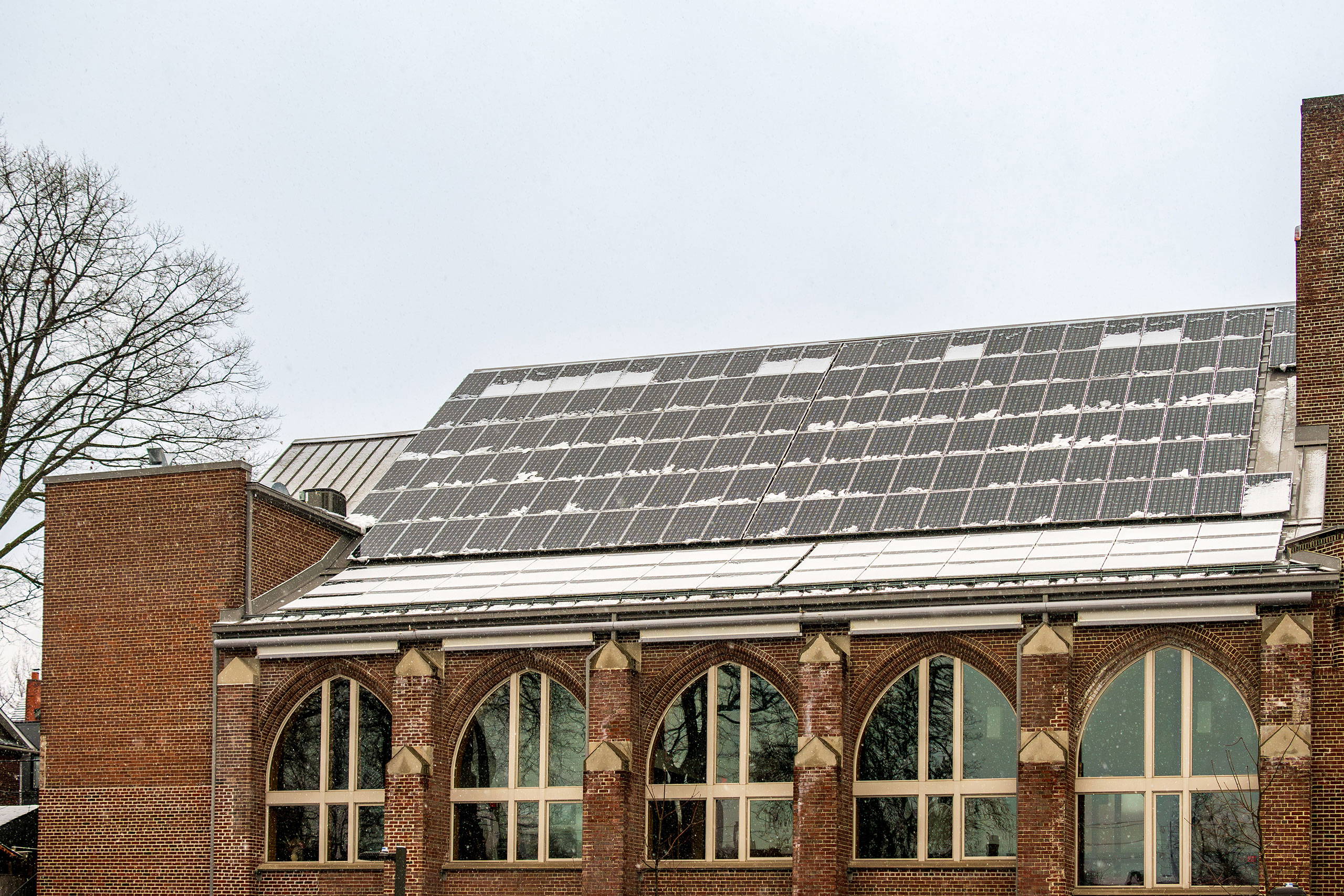
Retrofit means keeping the existing structure and substructure and upgrading what’s failing – recladding over (or instead of) the existing skin, replacing glazing units, adding insulation, correcting thermal bridging, and bringing fire performance up to current standards. Rebuild means stripping the façade back to the structural frame, sometimes further, and starting the envelope from scratch.
👉 Retrofit is faster, generally cheaper up front, and keeps the building partially operational during works.
👉 Rebuild gives you a clean slate – no legacy defects, no guessing what’s behind the existing panels, and full compliance with current Building Regulations from day one.
Neither one is automatically “correct.” The building decides.
The Case for Retrofit
Most façades don’t fail all at once. They fail in specific, identifiable ways – water ingress at a handful of junctions, degraded insulation in specific zones, cladding that’s no longer compliant but is otherwise structurally sound. When the underlying structure is healthy and the problems are localised, retrofit lets you fix exactly what’s broken without paying to replace what isn’t.
It’s also significantly less disruptive. Tenants can often stay in occupied buildings during a phased retrofit, which matters enormously for residential blocks, hospitals, and operational commercial buildings where a full rebuild simply isn’t practical. And because you’re not touching the frame, programme times are usually shorter – weeks or months rather than the better part of a year.
The catch: retrofit only works if you actually know what’s behind the existing skin. Which brings us to the next section.
The Case for Rebuild
Sometimes retrofit isn’t a decision – it’s ruled out for you. If the substructure has corroded, if there’s widespread water damage behind the cladding, or if the existing system uses materials that are now banned outright (certain ACM panels, for instance), you’re not retrofitting your way out of that. You’re rebuilding.
Rebuild is also the right call when a building’s use is changing significantly – converting office space to residential, for example, often means the entire envelope needs to perform differently (acoustics, fire compartmentation, thermal targets), and it’s usually more cost-effective to start clean than to fight the existing geometry.
And there’s a compliance argument too: a full rebuild gives you a façade that’s compliant with current regulations from the ground up, with full documentation, rather than a patchwork of old and new that a fire engineer has to sign off as “acceptable in combination.”
The Carbon Question Nobody Wants to Answer Honestly
Here’s where it gets uncomfortable. The industry likes to say retrofit is always the lower-carbon choice because you’re not manufacturing a new structural frame. That’s often true – but not always, and treating it as gospel leads to bad decisions.
Retaining a structure with poor thermal performance and just re-skinning it can lock in decades of operational carbon that a rebuild, done properly, would have avoided. The honest comparison isn’t “embodied carbon of retrofit vs. embodied carbon of rebuild” – it’s whole-life carbon, embodied plus operational, over the building’s realistic remaining lifespan. A retrofit that only gets you 15 years before it needs doing again isn’t a carbon win. It’s a carbon deferral.
This is exactly the kind of analysis that gets skipped when decisions are made on gut feeling instead of a proper lifecycle assessment.
What About Cost? (Because That’s What Everyone Actually Asks)
Retrofit is usually 30–50% cheaper than a full rebuild on a like-for-like basis – but “usually” is doing a lot of work in that sentence. That number assumes the substructure is sound and the scope doesn’t expand once you open things up. And it almost always expands once you open things up.
Intrusive surveys before you commit to a number aren’t optional – they’re the difference between a retrofit that stays on budget and one that turns into a rebuild halfway through, at rebuild prices, without the benefit of rebuild-quality documentation. We’ve seen projects scoped as “recladding” balloon by 40% once hidden corrosion or non-compliant insulation was found behind the first panel removed.
Rebuild costs more upfront but is more predictable once you’re committed, because you’re not excavating unknowns as you go.
The Regulatory Wildcard: Building Safety Act & Fire Safety
For buildings over 18 metres (or 11 metres for some residential uses), this decision doesn’t happen in a vacuum anymore. Under the Building Safety Act 2022, higher-risk buildings fall under the Building Safety Regulator’s oversight, and any façade work has to be considered against the Golden Thread of information requirement – meaning documentation, materials, and fire performance data need to be traceable and complete, not reconstructed from memory years later.
This has quietly tipped a lot of borderline decisions toward rebuild. If a building’s original façade records are incomplete – and on older stock, they usually are – proving compliance for a retrofit can become more expensive and time-consuming than starting fresh with full documentation from day one. It’s not that retrofit becomes impossible; it’s that the compliance burden needs to be priced in from the start, not discovered at building control stage.
So How Do You Actually Decide?
In practice, this comes down to five questions, roughly in this order:
- Is the structural frame and substructure sound? (If no, rebuild.)
- Are the existing materials compliant, or can they be made compliant? (If banned materials are present, rebuild.)
- Is the building’s use changing significantly? (If yes, lean rebuild.)
- Can you get complete documentation for a Golden Thread submission? (If no, factor in the extra cost of proving compliance.)
- What does a proper whole-life carbon and cost comparison actually show – not a gut estimate, a real one?
Nine times out of ten, question five is the one that gets skipped. It shouldn’t be.
Where Is This Heading?
More buildings are going to face this decision over the next decade, not fewer. The UK’s existing building stock is ageing, regulatory scrutiny on external walls has never been higher, and net zero targets are pushing owners to act rather than defer. We expect retrofit to remain the more common outcome simply because most façades don’t fail catastrophically – but we also expect rebuild decisions to become more common on buildings with incomplete records or non-compliant legacy materials, because the regulatory risk of guessing is no longer worth it.
The honest advice we give clients is this: don’t decide before you survey. Whatever instinct you walked in with is usually wrong by at least 20%.
Let’s Answer Some of the Most Common Questions
Is retrofit always cheaper than rebuild?
Usually, but not always – and the gap closes fast once hidden defects are found. Get an intrusive survey before you commit to a budget.
How do I know if my building qualifies as “higher-risk” under the Building Safety Act?
Broadly, residential buildings over 18 metres or 7+ storeys, though some lower thresholds apply to specific building types. If you’re unsure, get this confirmed before scoping any façade works.
Can I retrofit a building with ACM cladding?
Not with the original material – ACM with a polyethylene core is banned for use above 18 metres. That section of façade needs replacing regardless of the wider retrofit-or-rebuild decision.
Does retrofit disrupt occupied buildings less than rebuild?
Generally yes, especially when phased properly, but it’s not disruption-free. Expect scaffolding, noise, and access restrictions regardless of which route you take.
How long does a typical façade retrofit take compared to a rebuild?
Retrofit programmes typically run a few months for a mid-rise building; a full rebuild can take the better part of a year once you include design, procurement, and phased installation.
Is retrofit really lower carbon than rebuild?
Often, but not automatically. If the retained structure has poor thermal performance, whole-life operational carbon can outweigh the embodied carbon savings. Ask for a whole-life comparison, not just an embodied carbon figure.
What happens if we start a retrofit and find the substructure is more damaged than expected?
This is common enough that it should be priced into contingency from the outset – typically 15–20% for older buildings with incomplete records. If damage is extensive, the project may need to convert to a rebuild scope mid-programme.
Who decides whether a project should be retrofit or rebuild?
Ideally, it’s a joint call between the building owner, a façade consultant, a structural engineer, and – for higher-risk buildings – input that satisfies the Building Safety Regulator’s requirements. It shouldn’t be a decision made on cost alone.
Final Thought
Retrofit versus rebuild isn’t a debate with a right side. It’s a decision that has to be made building by building, based on what’s actually behind the existing skin – not what the brochure for a new cladding system promises, and not what feels cheaper on day one. Get the survey done properly, get the whole-life numbers in front of you, and then decide.
If you’re weighing this up on a current project, get in touch – we can walk the building with you and give you a straight answer before you commit to either path.