PSU (Polysulfone) Products
1: PSU (Standard) – Natural
This unfilled PSU is a transparent engineering plastic known for its high strength, rigidity, and reliable performance at elevated temperatures. It offers excellent dimensional stability and maintains its mechanical properties across a wide temperature range, making it suitable for demanding industrial applications.
The material also provides good chemical resistance and can withstand repeated sterilization processes, including autoclaving, without loss of performance. Its electrical insulation properties and overall stability make it a dependable choice for precision components in technical environments.
Typical Applications:
Electrical components, sterilizable parts, precision components, and engineering applications in mechanical, food, and chemical industries.
PBT (Polybutylene Terephthalate)
2: PBT GF30 (Glass Filled) – Natural
This PBT grade is reinforced with 30% glass fibre to deliver very high strength, stiffness, and dimensional stability. It is designed for applications requiring precision and long-term performance under high static loads and elevated temperatures, making it suitable for components with tight tolerances.
The material also offers good chemical resistance and reliable mechanical performance in demanding environments. Due to the glass fibre content, it may cause increased wear on mating surfaces, making it less suitable for sliding applications.
Typical Applications:
Precision components, structural parts, electrical housings, and load-bearing components in mechanical and automotive industries.
3: PBT (Ultra Detectable – Food Grade) – Blue
This PBT grade is specifically developed for food processing applications, featuring multi-detectable properties for enhanced safety. It can be detected by metal and X-ray systems, while its blue colour allows for easy visual identification, helping reduce the risk of contamination in production environments.
The material also offers good chemical resistance, particularly against cleaning agents such as chlorine and caustic solutions, along with reliable dimensional stability and impact strength. Its compliance with food contact standards makes it a dependable choice for hygiene-critical applications.
Typical Applications:
Food processing components, conveyor parts, packaging machinery components, and detectable wear parts in food and beverage industries.
PCT-G (Copolyester)
4: PCT-G (Biocompatible) – Transparent
This clear copolyester is a high-performance material designed for applications requiring transparency, impact strength, and chemical resistance. It offers similar toughness to polycarbonate while being BPA-free, making it suitable for sensitive environments such as medical and pharmaceutical applications.
The material demonstrates excellent hydrolytic stability and maintains its properties under sterilization methods including gamma, ETO, and e-beam. With low extractables and proven biocompatibility, it is well-suited for applications involving contact with fluids and tissues, while ensuring long-term clarity and durability.
Typical Applications:
Medical devices, biopharmaceutical components, transparent containers, and single-use systems in healthcare and chemical industries.
PP (Polypropylene)
5: Polypropylene (Medical Grade) – Black
This medical-grade polypropylene is designed for applications requiring biocompatibility, chemical resistance, and reliable performance under sterilization. It offers excellent resistance to hydrolysis and steam, making it suitable for repeated sterilization processes in medical and food-related environments.
The material also provides low moisture absorption, good sliding properties, and stable performance under heat. Its durability and resistance to a wide range of chemicals make it a dependable choice for demanding applications.
Typical Applications:
Medical components, pharmaceutical equipment, food processing parts, and sterilizable engineering components.
6: Polypropylene (Medical Grade) – White
This medical-grade polypropylene is a homopolymer material engineered for stability in high-temperature and sterilization environments. It offers very low residual stress, allowing the production of dimensionally stable components with minimal risk of warping, even after repeated exposure to superheated steam.
The material is lightweight, easy to machine, and provides excellent chemical resistance along with low moisture absorption. Tested for biocompatibility, it is well-suited for applications in healthcare and food-related environments where reliability and hygiene are critical.
Typical Applications:
Medical devices, sterilizable components, pharmaceutical equipment, and food processing parts.
ABS (Acrylonitrile-Butadiene-Styrene)
7: ABS (Standard) – Grey
This ABS material is an amorphous engineering plastic made from a combination of acrylonitrile, butadiene, and styrene. It offers a balanced performance profile with high toughness, good stiffness, and excellent impact resistance, even at lower temperatures, making it suitable for a wide range of general engineering applications.
The material also provides good machinability, electrical insulation, and low moisture absorption, along with reliable chemical resistance. Its versatility and cost-effectiveness make it a popular choice for applications bridging standard and higher-performance engineering plastics.
Typical Applications:
Housings, structural parts, machine components, and general-purpose engineering components in automotive, electronics, and industrial sectors.
PTFE (Polytetrafluoroethylene)
8: PTFE (Standard) – Natural
This unfilled PTFE is a high-performance fluoropolymer known for its exceptional chemical resistance and extremely low friction properties. It is widely used in applications involving sliding or contact surfaces, particularly in environments exposed to aggressive chemicals or extreme conditions.
The material offers excellent electrical insulation, high temperature resistance up to around 260°C, and strong resistance to UV and weathering. Its stable performance across a wide range of environments makes it a reliable choice for demanding industrial and technical applications.
Typical Applications:
Seals, gaskets, bearings, sliding components, and chemically resistant parts in aerospace, chemical, and industrial applications.
9: PTFE (Modified – High Performance) – Grey
This modified PTFE is engineered for advanced tribological applications, offering excellent self-lubricating properties with very low friction and minimal wear. It is designed to perform reliably under extreme conditions, including vacuum environments and very low temperatures, making it suitable for highly demanding applications.
The material also provides high dimensional stability, low outgassing, and strong thermal performance, ensuring consistent behavior over long service life. Its balanced property profile makes it ideal for precision components where durability, stability, and smooth operation are critical.
Typical Applications:
Precision sliding components, bearings, and high-performance parts used in aerospace, vacuum, and cryogenic engineering applications.
10: PTFE (Polyimide Modified) – Brown
This PTFE grade is modified with polyimide to improve load-bearing performance and reduce creep under mechanical stress. It offers excellent sliding and friction properties, making it particularly suitable for applications involving soft mating surfaces such as stainless steel, brass, aluminium, or bronze.
The material also provides high toughness, strong electrical insulation, and good resistance to chemicals, UV, and weathering. Its anti-adhesive characteristics further enhance performance in dynamic applications, although care is required in high-temperature environments where hydrolysis sensitivity may occur.
Typical Applications:
Sliding components, bearings, seals, and precision parts used in electrical, textile, and industrial engineering applications.
11: PTFE (Polyimide Modified – High Content) – Brown
This PTFE grade is modified with a higher percentage of polyimide to further reduce creep under load while enhancing sliding and wear performance. Compared to lower-filled variants, it offers improved dimensional stability and durability in applications subjected to continuous mechanical stress.
The material maintains excellent friction properties, anti-adhesive behavior, and strong electrical insulation, along with good resistance to chemicals, UV, and weathering. It performs particularly well against softer mating materials such as stainless steel, brass, aluminium, and bronze, making it suitable for demanding tribological applications.
Typical Applications:
Bearings, seals, sliding components, and wear parts used in mechanical, electrical, and industrial systems.
PVDF (Polyvinylidene Fluoride)
12: PVDF (Standard) – Natural
This unfilled PVDF is a high-performance fluoropolymer known for its excellent chemical resistance, strength, and dimensional stability. With very low moisture absorption, it maintains consistent performance even in environments with prolonged exposure to liquids and aggressive media.
The material offers strong resistance to UV radiation, making it suitable for outdoor applications, along with reliable thermal performance for continuous use up to around 140°C. It is easy to machine and weld, and its compliance with food contact standards makes it suitable for hygienic and sensitive applications.
Typical Applications:
Chemical processing components, fluid handling systems, electrical components, and food-grade engineering parts in industrial and technical applications.
13: PVDF (Reprocessed) – Natural
This PVDF grade is manufactured from reprocessed material, offering a more sustainable alternative with a reduced carbon footprint. It delivers comparable performance to standard PVDF, including high strength, density, and excellent chemical resistance, making it suitable for demanding industrial applications.
The material also provides very low moisture absorption, strong UV and weather resistance, and reliable thermal performance. It remains easy to machine and weld, ensuring versatility across a wide range of applications while supporting environmentally responsible material selection.
Typical Applications:
Chemical processing components, fluid systems, electrical parts, and engineering components in industrial and energy sectors.
14: PVDF (Electrically Conductive) – Black
This modified PVDF is enhanced with conductive carbon black to provide electrical conductivity while maintaining the core properties of standard PVDF. It combines high chemical resistance, strength, and thermal stability with very low moisture absorption, making it suitable for demanding industrial environments.
The material also offers excellent resistance to UV and weathering, along with good sliding properties and weldability. Its conductive nature makes it ideal for applications where electrostatic discharge control or conductivity is required alongside chemical and environmental resistance.
Typical Applications:
Electrical components, chemical processing equipment, conductive parts, and industrial components in energy and mechanical systems.
PAI (Polyamide-Imide)
15: PAI (Standard) – Green
This unreinforced PAI is a high-performance material offering an excellent combination of strength, stiffness, and toughness, even at elevated temperatures. It delivers outstanding dimensional stability and thermal performance, making it suitable for applications requiring consistent performance under mechanical and thermal stress.
The material also provides good wear resistance, strong dielectric properties, and excellent chemical resistance. Its balanced property profile makes it ideal for demanding engineering environments where reliability and durability are critical.
Typical Applications:
Electrical connectors, wear components, structural parts, and high-performance components in aerospace, chemical, and industrial applications.
16: PAI (Bearing Grade) – Black-Green
This modified PAI grade is designed specifically for bearing and wear applications, offering excellent tribological performance with low friction and reduced wear. It maintains high strength, stiffness, and dimensional stability even at elevated temperatures, making it suitable for demanding environments.
The material also provides strong chemical resistance, good compression strength, and reliable machinability. Its stable performance under load and temperature makes it ideal for precision components requiring durability and consistent operation.
Typical Applications:
Bearings, seals, compressor components, and wear parts used in oil & gas, aerospace, and industrial processing systems.
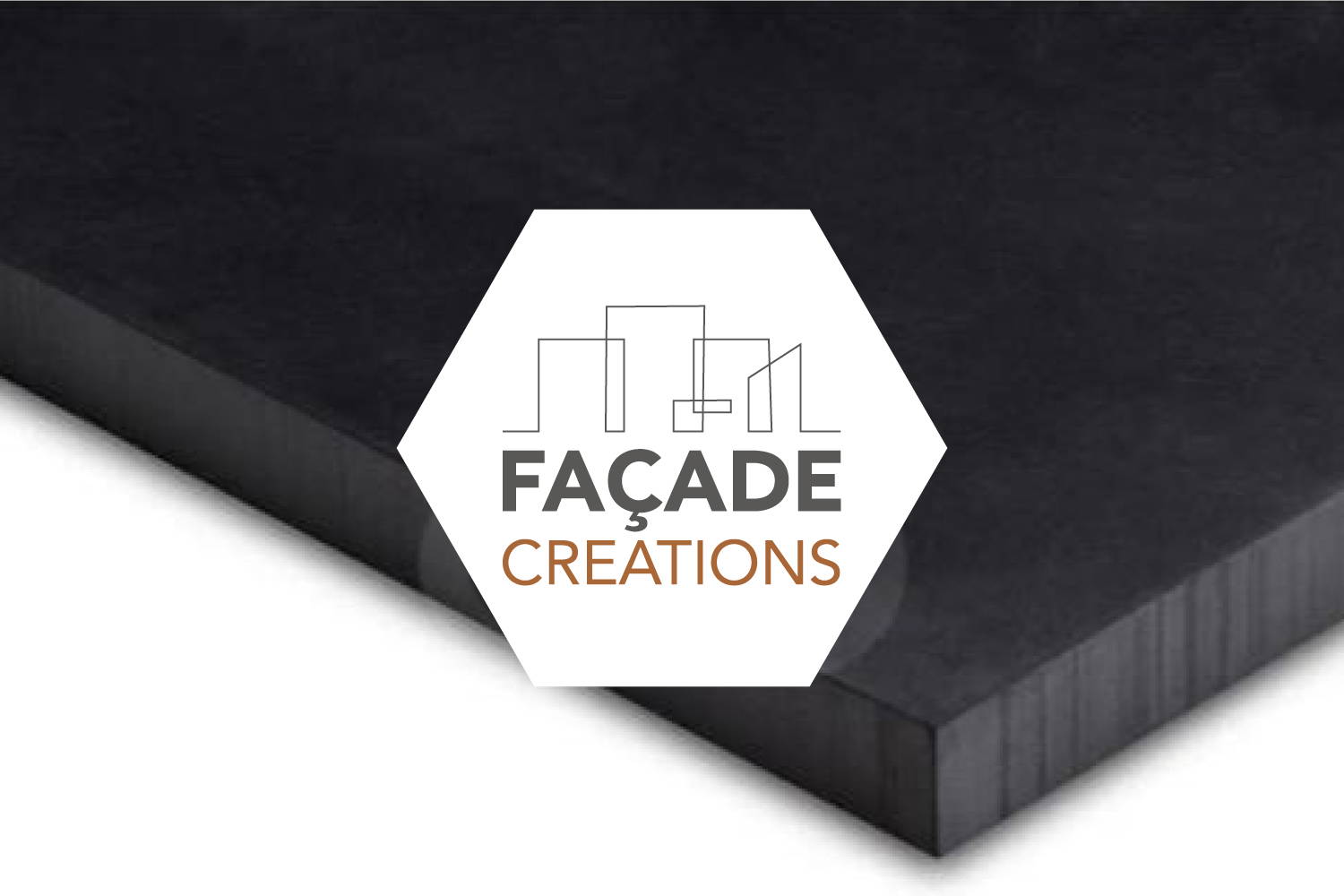
17: PAI (Glass Filled) – Black-Green
This PAI grade is reinforced with 30% glass fibre to deliver exceptional strength, stiffness, and dimensional stability, particularly at elevated temperatures. It is designed for high-performance applications where precision and structural integrity under load are critical.
The material also offers excellent chemical resistance, strong dielectric properties, and improved machinability compared to other compression moulded PAI grades. Its low thermal expansion and high compressive strength make it suitable for components requiring tight tolerances and long-term reliability.
Typical Applications:
Electrical connectors, semiconductor test sockets, structural components, and high-performance parts in aerospace and industrial systems.
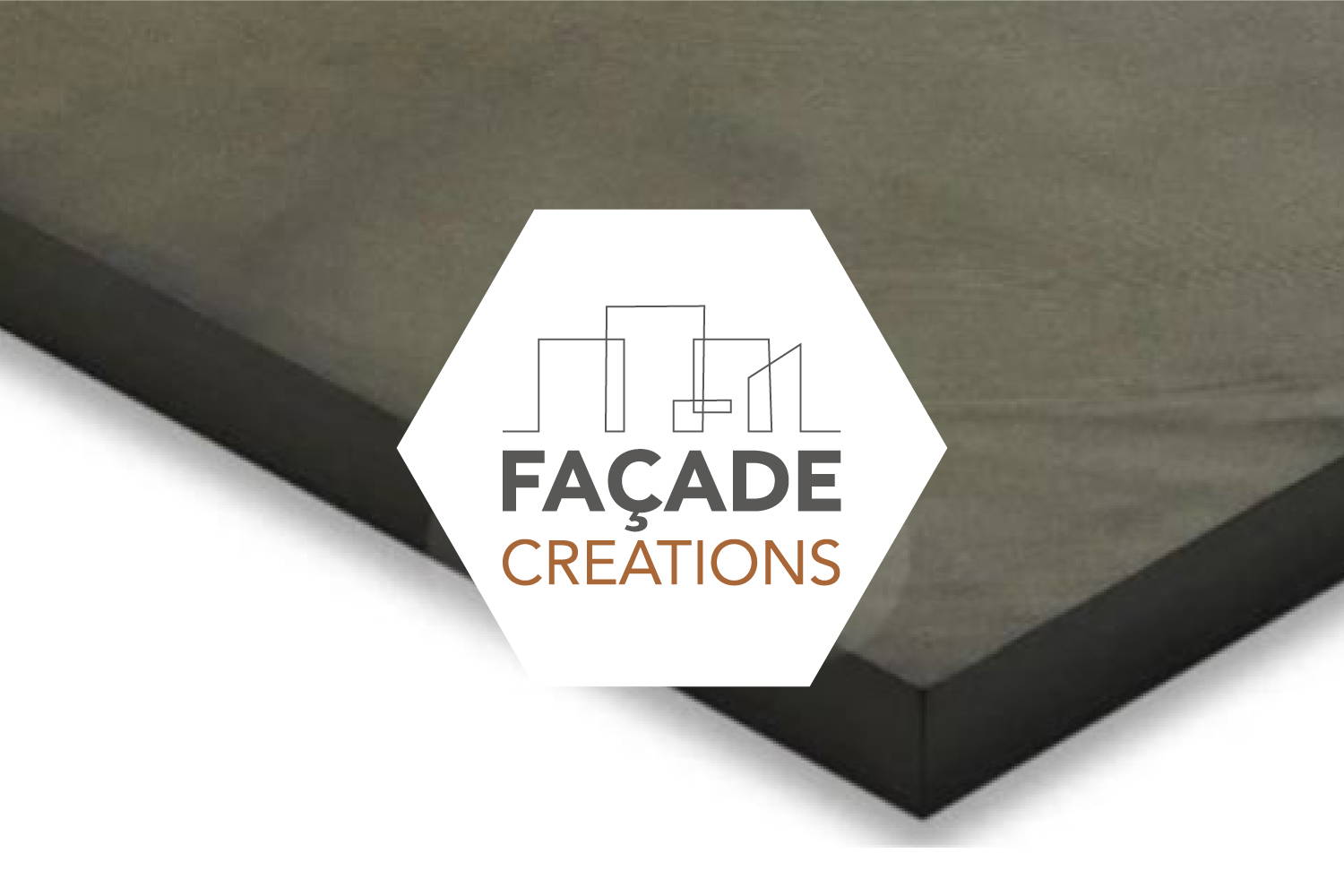
18: PAI (Carbon Filled) – Black
This PAI grade is reinforced with carbon fibre to provide exceptional strength, stiffness, and dimensional stability, particularly under high temperatures and mechanical loads. It offers one of the highest strength-to-weight ratios among compression moulded PAI materials, making it ideal for demanding structural applications.
The material maintains its mechanical properties at elevated temperatures while delivering excellent chemical resistance and low thermal expansion. Its performance profile makes it a reliable choice for high-load components and applications where metal replacement is required.
Typical Applications:
Aerospace components, structural parts, tooling, and high-performance engineering components in industrial and process applications.
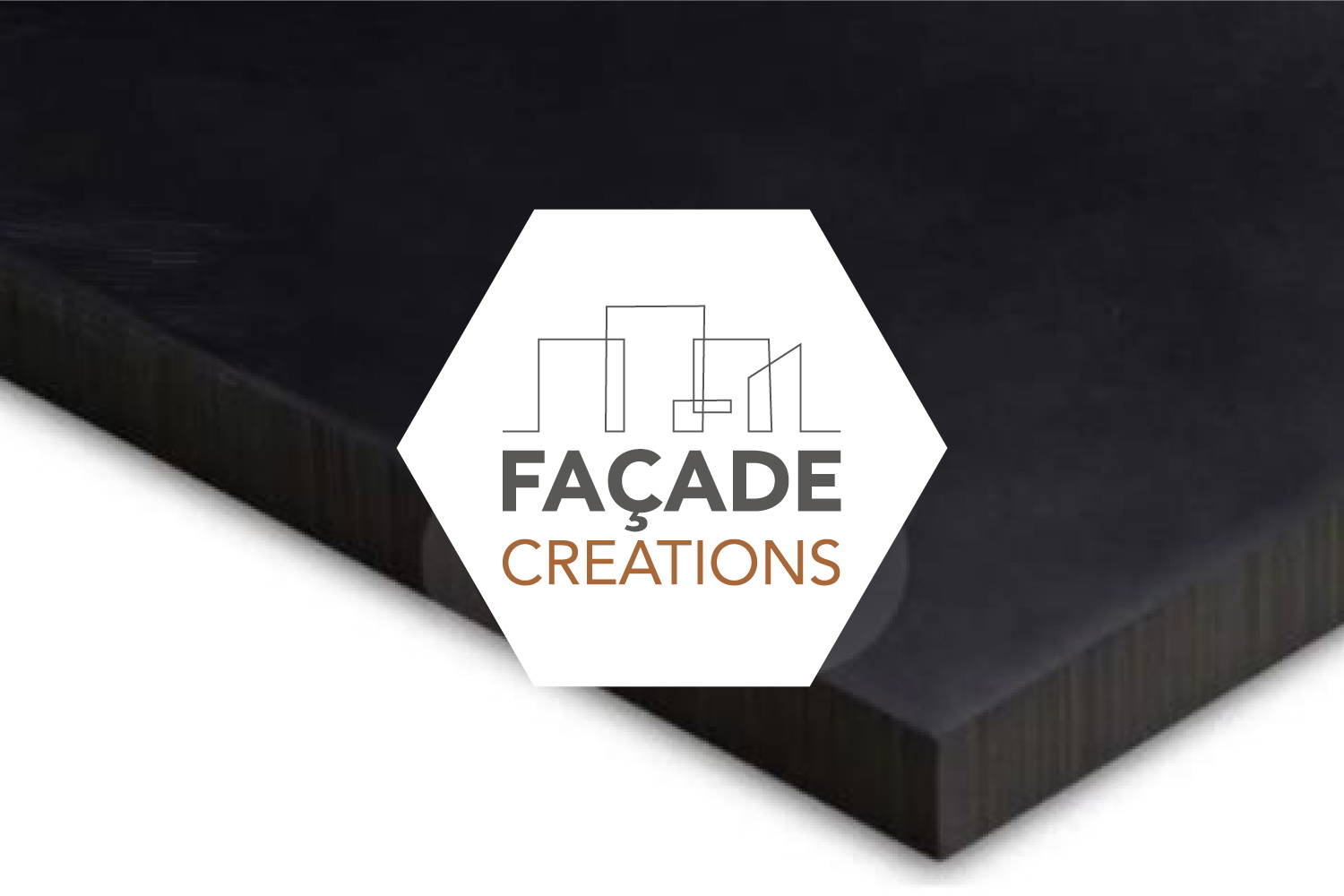
PMP (Polymethylpentene)
19: PMP (Standard) – Natural
This unfilled PMP is a lightweight engineering plastic known for its low density, translucency, and good UV resistance. As part of the polyolefin family, it offers excellent electrical insulation and is one of the lightest plastic materials available, making it ideal for applications where weight reduction is important.
The material also provides good chemical resistance, high toughness, and easy machinability, along with a smooth surface finish. Its balanced properties make it suitable for a wide range of industrial and food-related applications.
Typical Applications:
Lightweight components, transparent parts, electrical components, and engineering parts used in food, automotive, and industrial sectors.
Façade Creations Plastics: Shapes Others