Architectural Façade Systems Analysis
At Façade Creations, we combine decades of experience in façade design and building envelope construction to deliver reliable, expert support for every member of your project team. Our journey across some of the UK’s most complex and prestigious projects has equipped us with unmatched knowledge in façade glazing, rainscreen cladding, and complete building envelope systems.
Through close collaboration with architects, contractors, engineers, and other industry professionals, we have developed a clear understanding of what makes a façade perform flawlessly – and where potential challenges can arise. This insight allows us to proactively address issues before they impact your project.
Our Mission
We aim to simplify the complex, providing seamless support from the initial design stage to project completion. By integrating early into your project, we maximize efficiency, ensure compliance, and enhance the overall quality of your building envelope.
How We Support Your Project:
- End-to-end guidance across planning, design, construction, and building envelope management
- Customized, practical solutions tailored to the unique needs of your project
- Expert thermal analysis, structural assessments, and design verification services
- Installation audits, quality assurance checks, and performance testing to guarantee results
While we often assist specialist subcontractors in meeting stringent design criteria, our real value emerges when involved from the earliest stages – helping shape solutions that minimize risk and optimize outcomes.
At Façade Creations, we are committed to delivering professional, reliable, and practical support, ensuring every façade project is executed with precision, efficiency, and excellence.
Our Services
Comprehensive Support Across Every Stage of Your Project
At Façade Creations, our specialists provide expert guidance for your construction project from concept to completion. We offer a full spectrum of services across all phases of planning, design, construction, and ongoing management of the building envelope.
We assist with specification review, product selection, and tailored solutions that meet client expectations while delivering high performance in a cost-effective manner. Our approach ensures every project benefits from practical, innovative, and efficient design strategies.
Our expertise spans all aspects of the building envelope, with a particular focus on engineered façades – including curtain walling, windows, rainscreen cladding, and their supporting structures. We work on projects of all scales and types, supporting architects, main contractors, and specialist subcontractors alike.
While much of our work is undertaken to help specialist subcontractors meet specific design criteria, we know that earlier involvement often has a far greater impact on the quality and performance of the final façade. That’s why we strongly encourage early collaboration with architects, clients, and main contractors – ensuring optimal results from the outset.
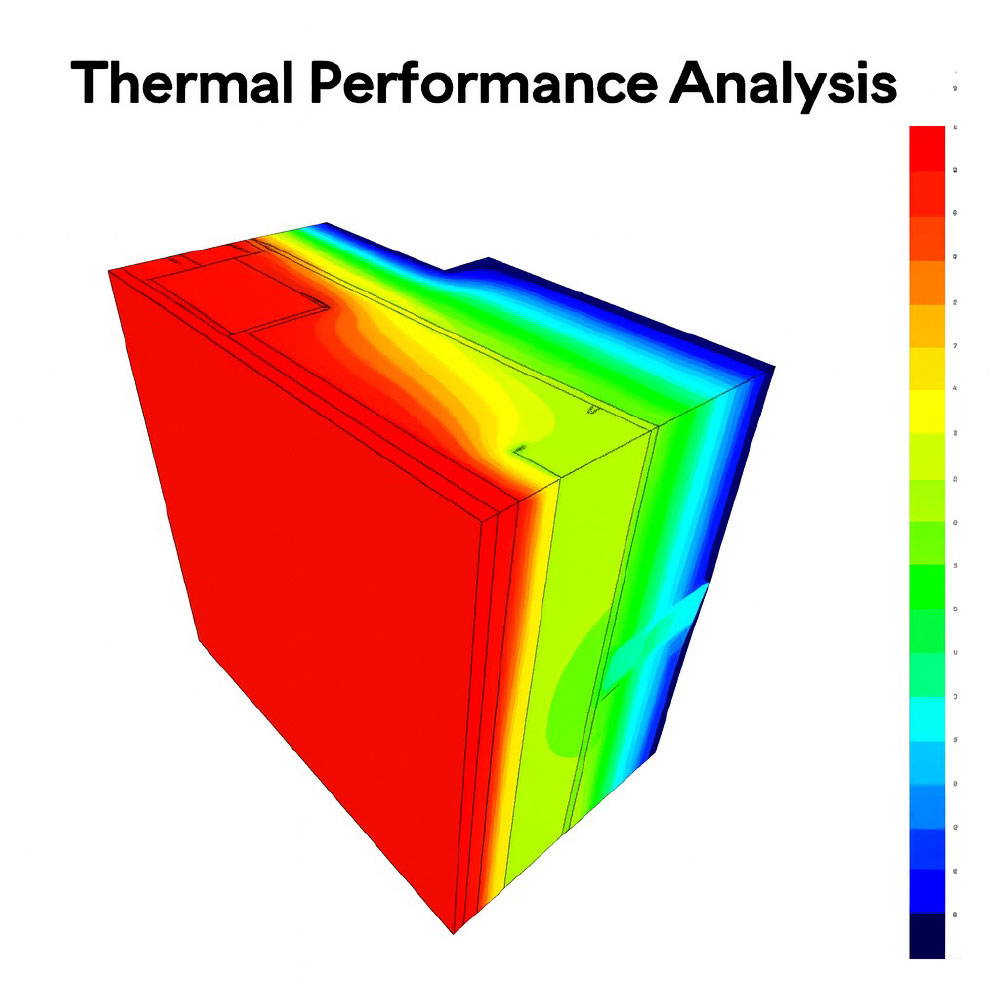
Thermal Performance Analysis
Energy efficiency and compliance with increasingly stringent regulations make the thermal performance of a building envelope critical – not only for regulatory adherence but also for reducing long-term operating costs. At Façade Creations, we excel at balancing aesthetic design goals with thermal performance, ensuring that façades look exceptional while performing optimally.
Our Expertise
We specialise in detailed thermal performance analysis of building envelopes, offering support to architects, engineers, main contractors, and specialist subcontractors. Our expertise encompasses all elements of engineered façades – including curtain walls, windows, rainscreen cladding, and supporting structures – as well as roofing and cladding systems. We also assess the impact of thermal bridging through penetrations, which can significantly affect overall performance.
Using advanced Finite Element Analysis (FEA) in both 2D and 3D, we examine each component of the envelope in detail, integrating results to provide a comprehensive evaluation of thermal performance. The findings are delivered in clear, actionable reports, allowing project teams to make informed decisions that meet both aesthetic and regulatory requirements.
Key Thermal Analysis Services
Our Thermal Analysis Expertise
We specialise in thermal performance assessments for all types of building envelopes, providing guidance to architects, engineers, main contractors, and specialist subcontractors. Our expertise covers:
- Engineered façades: curtain walls, windows, and rainscreen walls with supporting structures
- Roofing and cladding systems
- Assessment of thermal bridging caused by penetrations and structural elements
Our analyses use advanced Finite Element Analysis (FEA) in both 2D and 3D, enabling a detailed evaluation of individual elements and the overall envelope. Results are presented in clear, actionable reports for professional teams to integrate into project decisions efficiently.
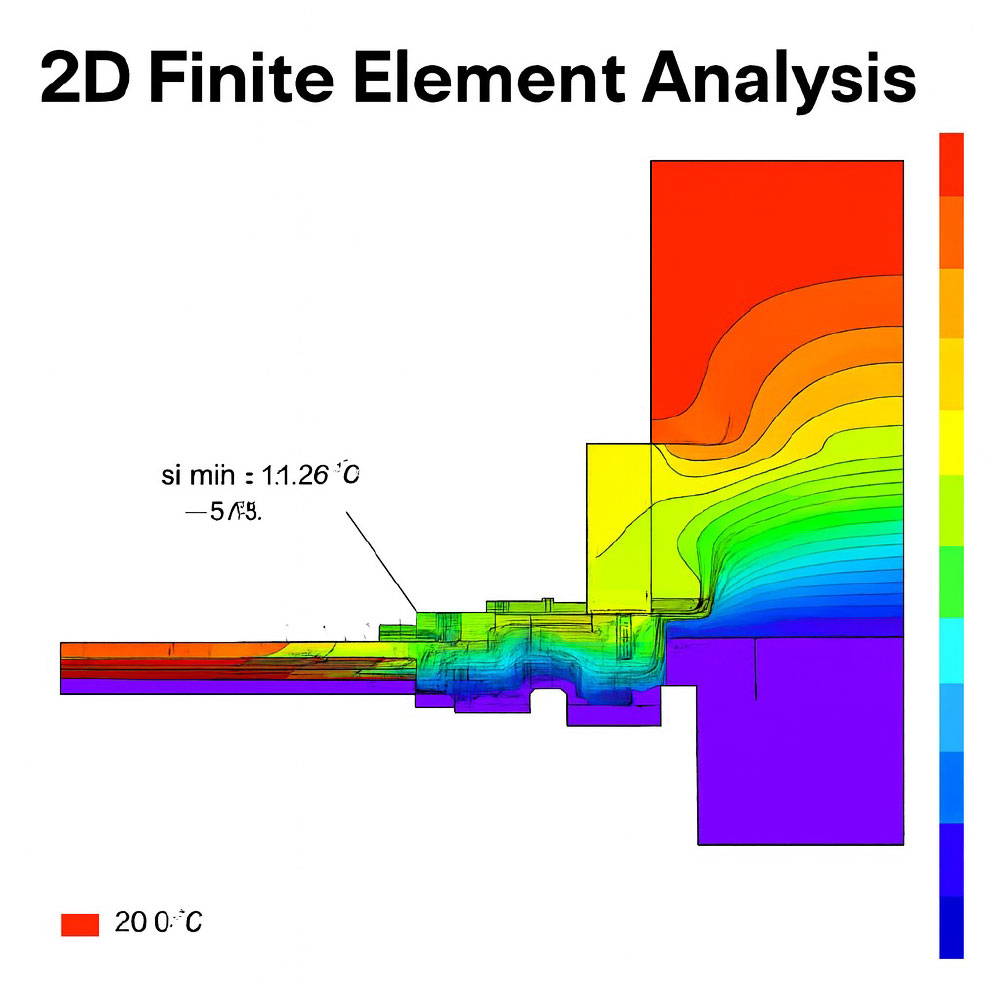
2D Finite Element Analysis
Our 2D thermal simulations use FLIXO and BISCO software to examine façade cross-sections. These programs:
- Calculate heat flows, U-values, and condensation risks in compliance with EN ISO standards
- Evaluate the performance of frame systems, glazing units, and edge spacers using project-specific inputs
- Incorporate radiation and convection modules for higher accuracy
This method produces reliable thermal data, including temperature factors, linear thermal transmittance (Ψ-values), and frame U-values, validated against British Standard EN ISO 10077-2:2017. Material properties are referenced from EN and BS standards or supplier-specific data when required.
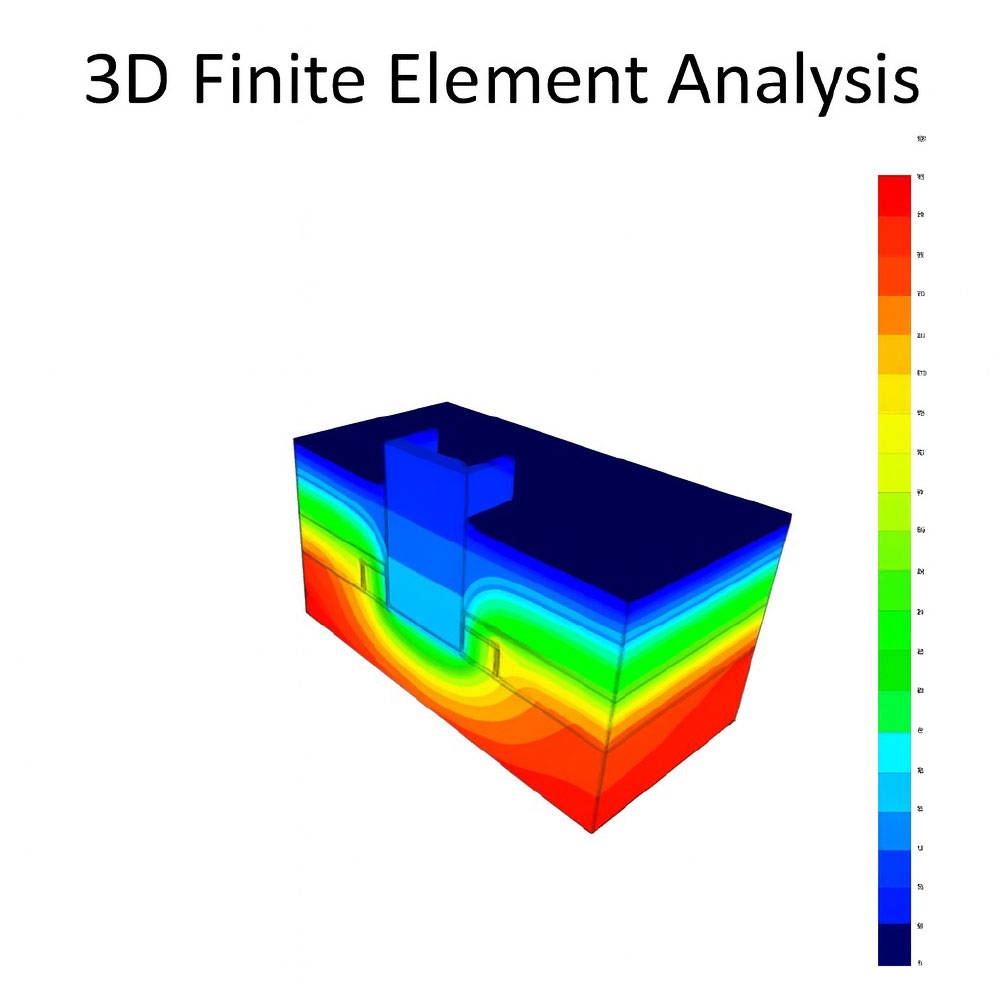
3D Finite Element Analysis
For complex façade geometries, such as roof penetrations or intricate junctions, we apply TRISCO software for 3D thermal simulations. This allows us to:
- Accurately model heat transfer through multi-material assemblies
- Account for thermal bridges and conduction paths
- Integrate radiation and convection effects using Physibel’s RADCON module
Material properties are referenced from EN/BS standards or manufacturer data. The results feed directly into U-value calculations and condensation risk assessments, ensuring precision for project-specific conditions.
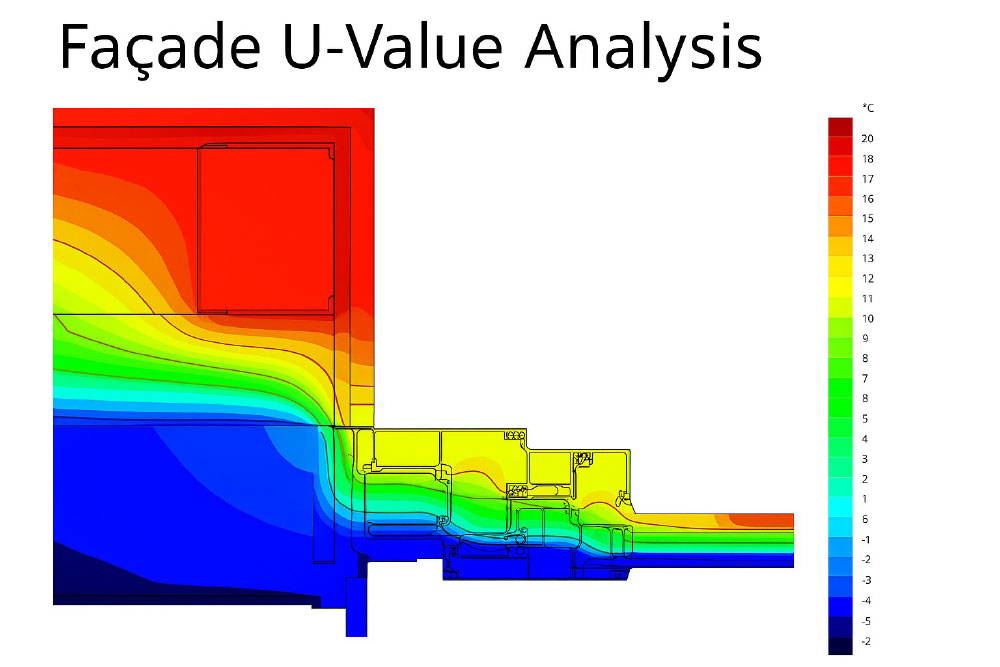
Façade U-Value Analysis
We provide detailed U-value calculations for both vision and non-vision elements of façades:
Vision Elements (Glazing)
- Accounts for frames, glazing units, and edge losses (Ψ-values) in weighted area calculations
- Goes beyond supplier-provided values, incorporating actual project configurations for accuracy
- Evaluates windows, doors, stick curtain wall, unitised systems, and bespoke glazing solutions
Non-Vision Elements (Walls & Rainscreens)
- Performs 3D analysis of walls, including insulation, brackets, and supporting structures
- Identifies areas where cold bridging may reduce performance
- Provides solutions to optimise insulation and meet regulatory U-value targets efficiently
Early involvement ensures accurate design decisions, avoiding assumptions that can compromise performance or increase costs.
Condensation Risk Analysis
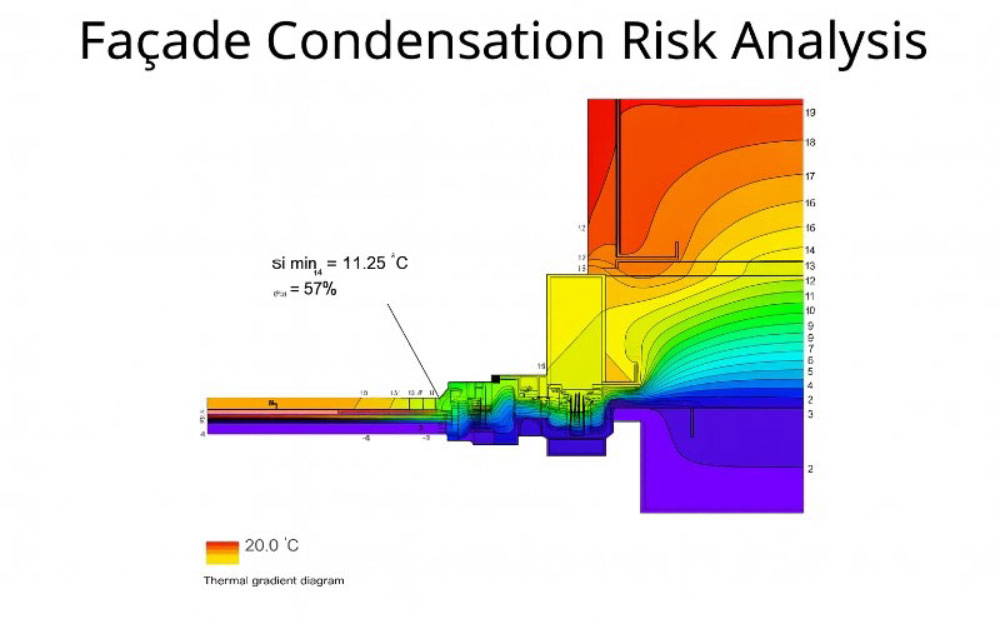
Condensation can affect façade aesthetics and long-term durability. Our assessments:
- Calculate surface temperatures and condensation risk using 2D or 3D analysis
- Evaluate glazing frames, edge spacers, and non-vision elements under project-specific environmental conditions
- Recommend practical mitigation strategies to prevent condensation-related issues
We also consider likely real-world scenarios versus theoretical extremes, providing balanced advice for informed project decisions
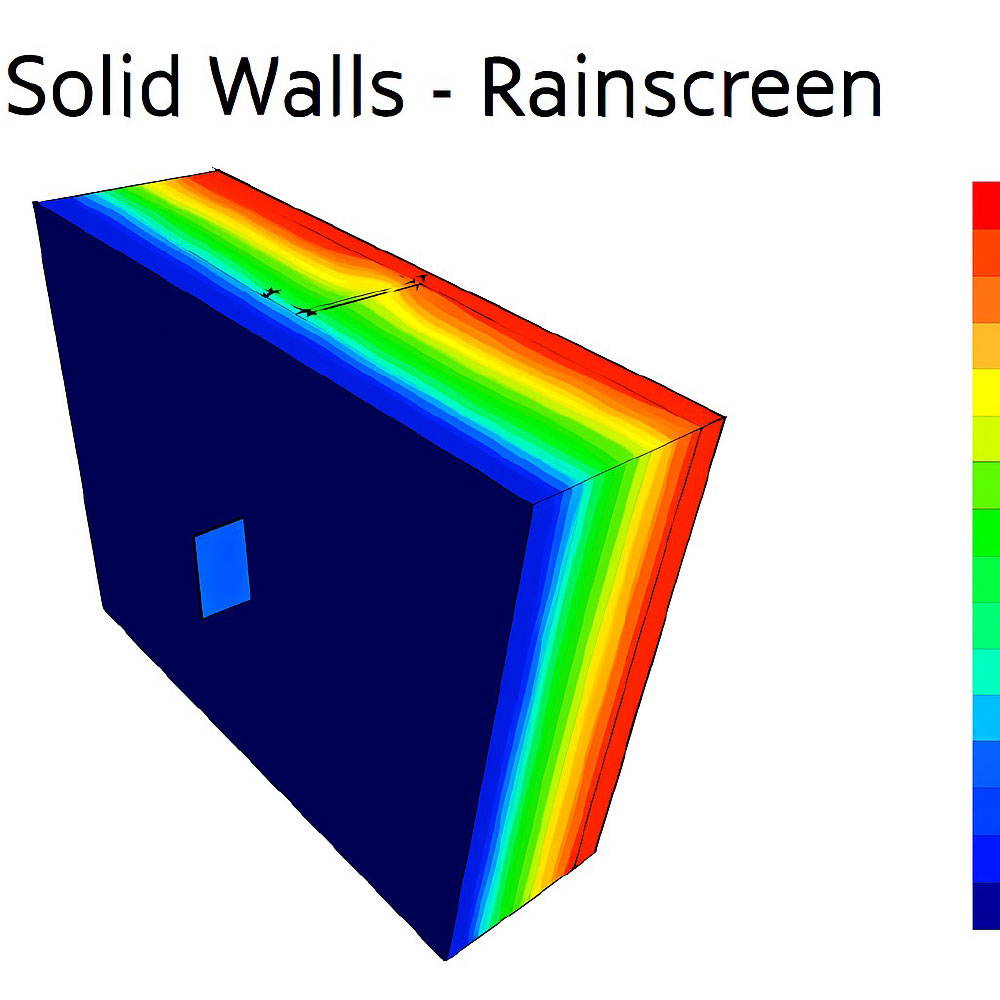
Rainscreen Wall Analysis
Rainscreen walls require precise assessment due to potential thermal bridging via brackets and penetrations. Our approach includes:
- 3D modelling of bracket layouts, insulation thickness, and material properties
- Ensuring achievable cladding zones and cost-effective designs
- Interstitial condensation risk evaluation in accordance with BS 5250 and project-specific conditions
This ensures walls meet U-value targets while remaining buildable and energy-efficient.
Compliance with Standards
All our thermal analyses adhere to relevant BS and EN standards, alongside guidance from BRE, CWCT, GGF, and CAB, including:
- BS EN ISO 10077-1 & 2, 13789, 10211-1 & 2, 12631:2012, 13370, 673
- BRE BR443, IP 5/98, IP 17/01, IP 10/02
- CWCT and GGF guides for heat transfer, U-values, and condensation assessment
- CAB standards for aluminium windows and curtain walls
Why Early Engagement Matters
While our services are valuable at any project stage, involvement during the early design phase maximises impact. Early collaboration ensures:
- Optimal thermal performance without compromising architectural intent
- Efficient design solutions and realistic cladding zones
- Reduced risk of costly adjustments later in the project lifecycle
At Façade Creations, our thermal performance services provide clarity, compliance, and confidence – helping you deliver façades that are visually impressive, energy-efficient, and built to last.
Specification and Product Review
Leveraging decades of façade design experience, Façade Creations provides expert guidance on project specifications and product selection. We help clients, architects, and contractors choose the most cost-effective solutions that achieve both performance targets and aesthetic aspirations. Early involvement in the design concept phase allows us to have the greatest impact, ensuring that project goals are achievable from the outset.
Early Design Support
Our team can advise architects and developers during the initial design stages, ensuring that aesthetic choices align with required performance levels. By reconciling these considerations early, we help prevent potential conflicts between design intent, regulatory requirements, and technical feasibility – minimising the risk of costly redesigns or disputes later in the project.
Support for Main Contractors
Once a Main Contractor is appointed, Façade Creations can assist in:
- Selecting and appointing specialist subcontractors
- Assessing proposals for compliance with project specifications
- Liaising with subcontractors throughout the project
- Evaluating technical submissions and design proposals
Our input ensures that subcontractor solutions meet performance expectations and regulatory standards, while maintaining alignment with the overall project vision.
Assistance for Specialist Subcontractors
Specialist subcontractors benefit from our guidance in:
- Understanding project specifications
- Selecting suitable products
- Developing technical submissions
If early-stage advice has been overlooked, projects can face challenges where products do not meet the intended performance or aesthetic goals. Façade Creations can provide solutions at any stage – resolving specification conflicts, preparing technical documentation, and facilitating communication to achieve consensus among all stakeholders.
Specification and Design Reviews
Beyond product and performance review, we also offer comprehensive design and drawing evaluations. This ensures that every element of the building envelope meets both regulatory requirements and client expectations. Please refer to our Design Reviews section for further details.
Contact us at Façade Creations to discuss how our specification and product review services can support your project at any stage, from concept through completion.
Façade Testing Services
Façade Creations offers comprehensive support for all aspects of façade testing, assisting clients, main contractors, and specialist subcontractors. Our services range from expert witnessing to managing on-site and off-site testing procedures, ensuring that every façade system performs reliably and meets project specifications.
We provide support for:
- On-site and off-site testing activities
- Creation and vetting of Method Statements
- Liaising with test houses and system suppliers
- Onsite water and weather testing
- Acoustic testing of façade systems
Our goal is to deliver confidence in the performance of your façade while supporting all members of the project team.
Off-Site Weather Performance Testing
Off-site testing is crucial to validate the performance of the chosen façade solution. While standard systems often have historical test data, bespoke systems or unique interface details require project-specific testing.
Our approach includes:
- Reviewing project specifications and verifying the suitability of proposed testing regimes
- Advising on different requirements for opening windows, doors, or fixed curtain walls
- Acting on behalf of clients, architects, or main contractors to witness testing
- Supporting subcontractors by managing the testing process to allow the project team to focus on other works
- Coordinating test drawings, rig support structures, and installation with test houses and system suppliers
- Providing comprehensive written reports and photographic evidence
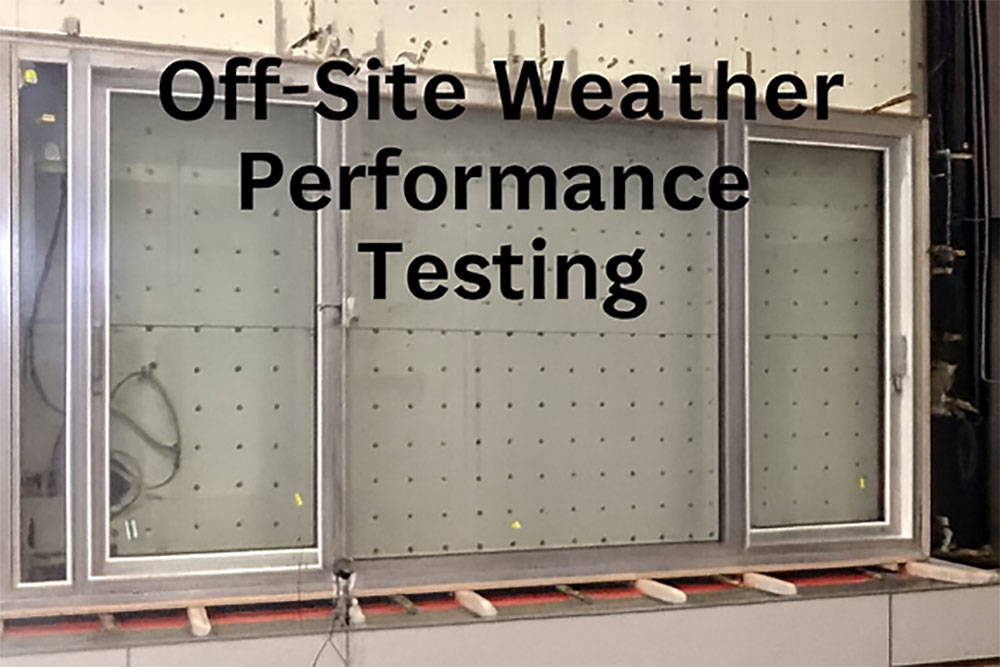
With extensive experience managing successful off-site tests, we ensure testing is efficient, accurate, and aligned with the project’s design intent.
On-Site Weather Testing
On-site testing verifies installation workmanship and ensures that the in-situ façade performs as specified. Typical tests include hose or spray bar procedures as described in CWCT Technical Note 41.
Façade Creations supports on-site testing by:
- Reviewing specified test standards and confirming their suitability for the project
- Acting as an independent witness for clients, architects, or main contractors
- Advising and managing subcontractors during testing
- Producing Method Statements and marking test areas on drawings
With extensive experience managing successful off-site tests, we ensure testing is efficient, accurate, and aligned with the project’s design intent.

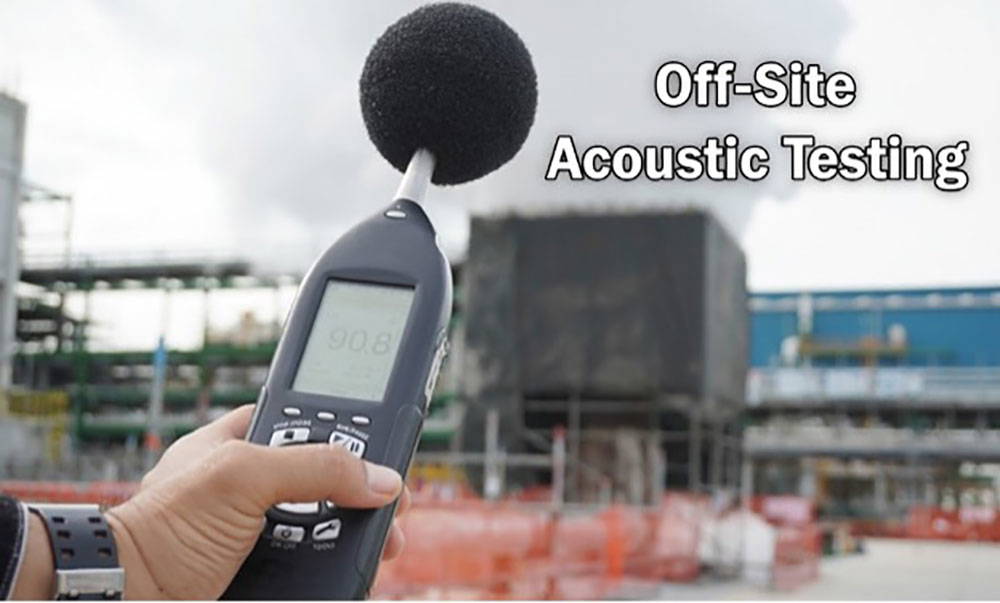
Off-Site Acoustic Testing
Acoustic performance often depends on the specific configuration of the project façade. Historical component or system data may not accurately reflect real-world performance, making project-specific acoustic testing essential.
Our services include:
- Liaising with test houses to develop Method Statements and testing schedules
- Coordinating test drawings and rig support structure design
- Managing installation of test samples in collaboration with subcontractors and system suppliers
- Witnessing tests and providing written reports with photographic evidence
This approach ensures accurate measurement of sound insulation values and validates the acoustic performance of the completed façade.
With extensive experience managing successful off-site tests, we ensure testing is efficient, accurate, and aligned with the project’s design intent.
Why Choose Façade Creations for Testing
Early involvement in testing strategy helps avoid costly delays or performance issues later in the project lifecycle. Façade Creations brings decades of experience and proven methodologies to every testing project, providing clear guidance, reliable results, and confidence for all stakeholders.
Contact us today to discuss your façade testing requirements and discover how we can support a smooth and effective testing process.
Installation Inspections
Accurate monitoring of on-site installations, particularly of complex façade systems, can be the difference between a successful project and long-term performance issues. Even the most meticulously designed façades rely on quality workmanship to achieve the desired outcome.
Façade Creations provides comprehensive installation inspection services, acting either on behalf of clients or as part of specialist subcontractors’ Quality Assurance procedures.
On-Site Installation Inspections
We deliver hands-on support during site installation to ensure all systems are installed correctly, safely, and in accordance with design specifications. Our services include:
- Monitoring installation teams to ensure adherence to system recommendations and bespoke project details
- Providing toolbox talks for installers prior to commencement
- Liaising with contractors’ supervision teams as fitting progresses
- Extending monitoring services beyond glazing to include solid wall elements
Our inspections can be tailored to act for:
- Specialist Subcontractors: Offering assurance that installation teams follow the correct procedures and project-specific details
- Clients or Main Contractors: Acting as an independent representative to evaluate the quality and compliance of installation works
Expertise and Experience
With long-standing experience working with major system houses, we bring authoritative knowledge and practical guidance to all members of the design and installation team. This ensures installations are performed to the highest standards, mitigating risks and supporting long-term façade performance.
Reporting
All inspections are supported with detailed written reports and photographic evidence, providing transparency and clarity to all project stakeholders.
Contact Façade Creations to discuss how we can assist with installation inspections and ensure your façade installation meets the highest standards of quality and performance.
Contact Façade Creations to discuss how we can assist with installation inspections and ensure your façade installation meets the highest standards of quality and performance.
Engineering Services
Finite Element Analysis (FEA) Services
Introduction
Façade Creations operates in the engineering simulation space, working with design and manufacturing teams who need to know, with confidence, how a part or structure will perform before it is built. Our FEA practice sits at the intersection of mechanical engineering and computational analysis. We take a design, whether it is a single bracket, a welded frame, or a full assembly, and build a digital model that predicts how it will behave under real operating conditions: load, heat, vibration, fatigue, and time.
This matters because physical testing is expensive and slow, and by the time a flaw shows up on a test bench or, worse, in the field, the cost of fixing it has multiplied many times over. Our job is to find that flaw on screen, early, while it is still just a design decision rather than a manufacturing or warranty problem. We work as an extension of your engineering team, translating simulation results into clear, practical recommendations that hold up under scrutiny from clients, certification bodies, and your own internal reviews.
We built this practice around a simple principle: simulation is only useful if it changes a decision. It is easy to produce a colourful stress plot that looks impressive and says very little. Our reports are written to be read and acted on, by engineers, by project managers, and by anyone else who needs to sign off on a design. Every model we build starts with a clear question, what are we actually trying to find out, and every deliverable ends with a clear answer to that question, backed by the data behind it.
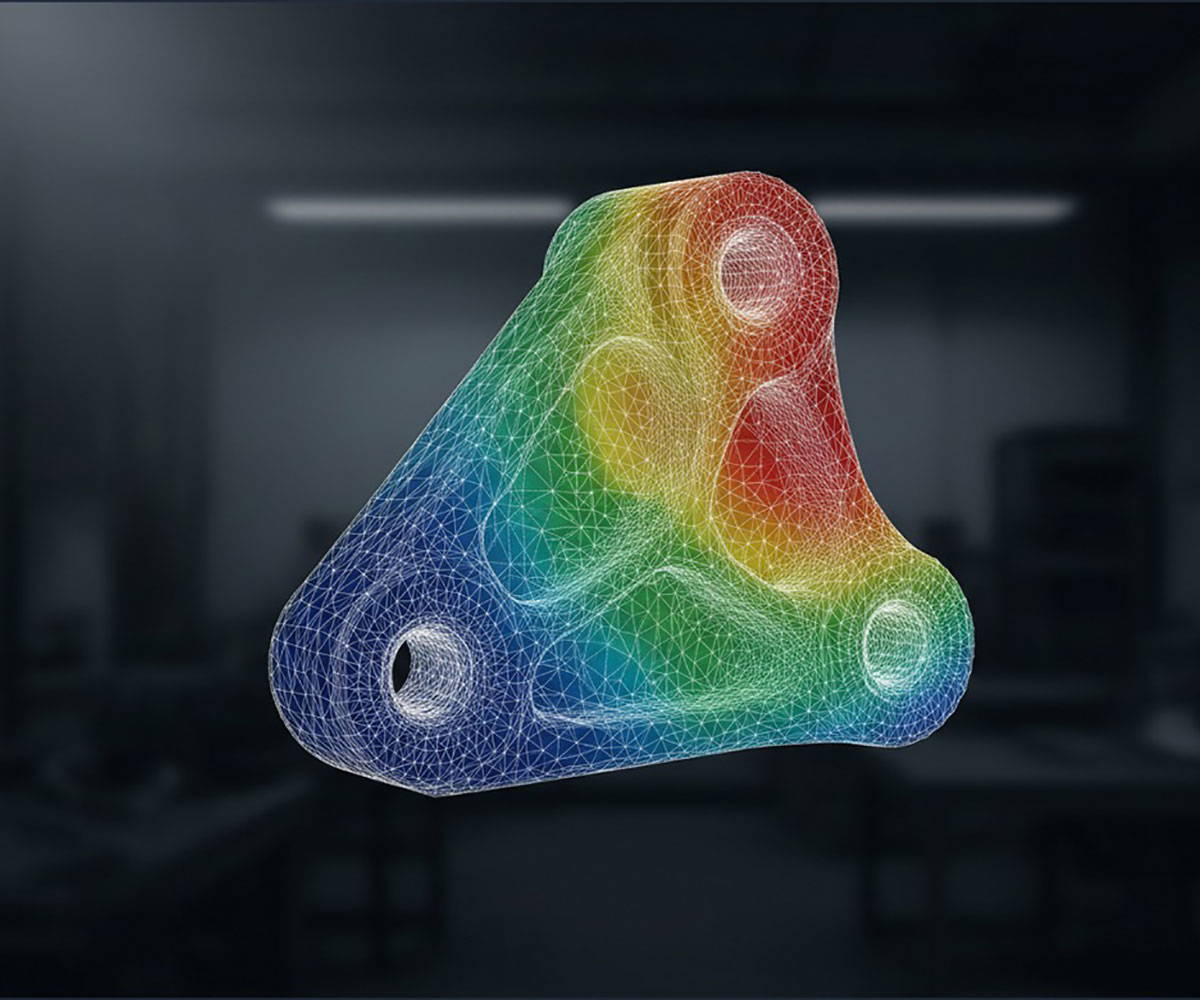
Our team has worked across small single-component checks and large, multi-week assembly studies, and we scale our approach to match. A start-up validating a first product prototype gets the same rigour as an established manufacturer running a certification programme, just applied at the right depth and pace for the project in front of us.
Industries We Serve
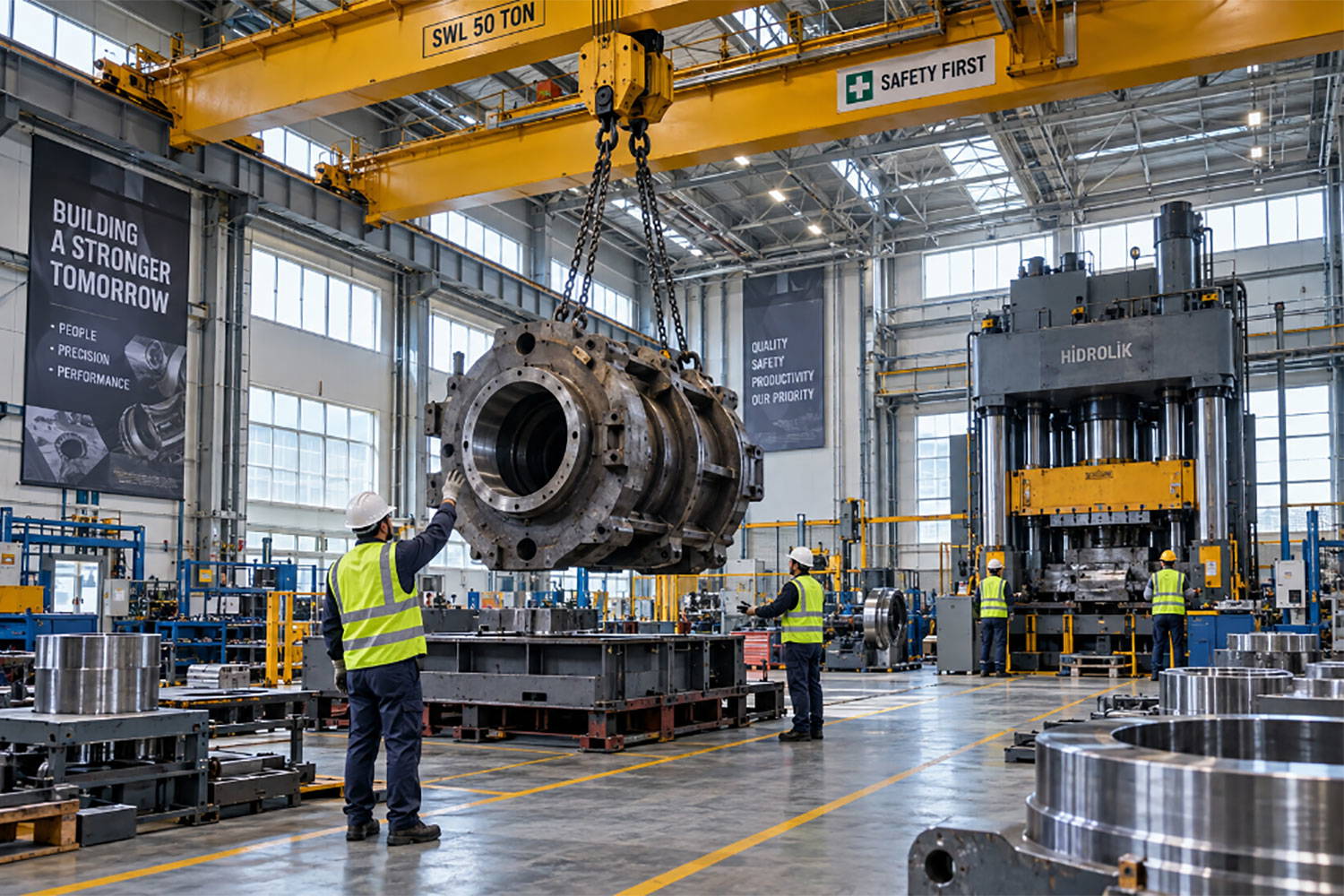
Industrial equipment and machinery
Presses, cranes, conveyors, and heavy fabricated structures that need to carry large, often cyclic, loads reliably over long service lives.
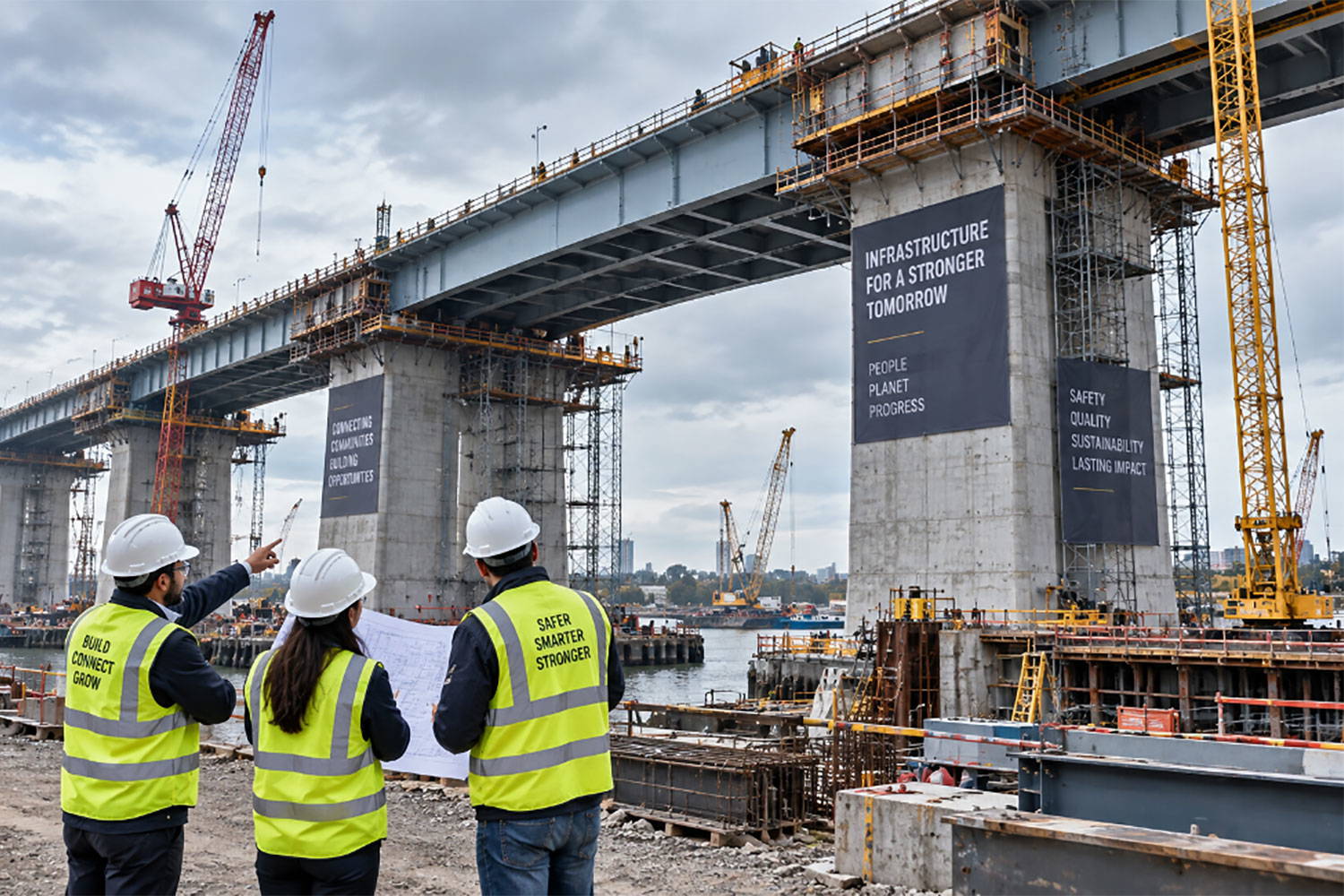
Infrastructure
Bridges, support structures, and load-bearing concrete and steel elements, including life assessment work on ageing assets.
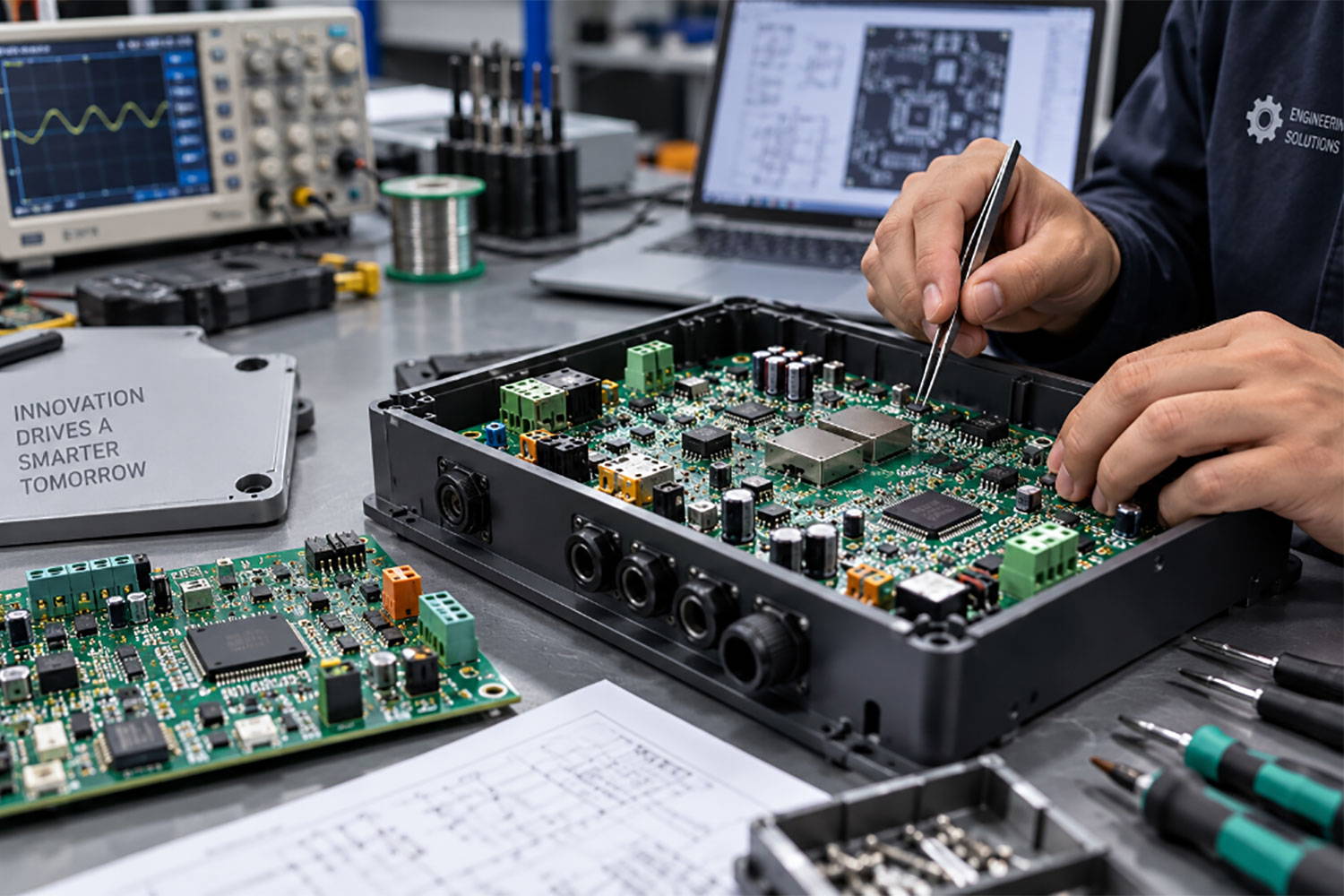
Electronics and electromechanical products
Circuit boards, enclosures, and assemblies subject to shock, vibration, or thermal cycling in demanding operating environments.
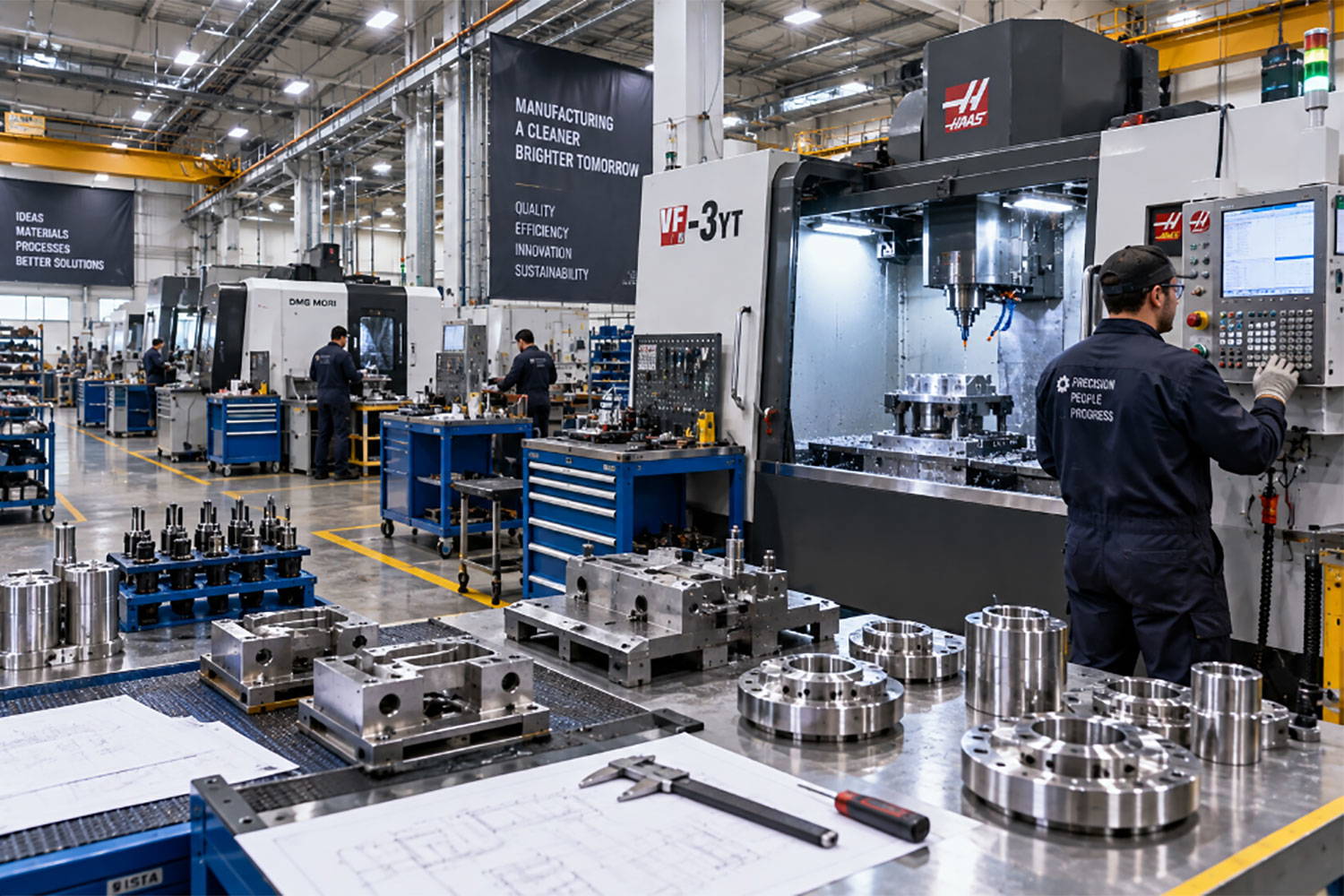
Manufacturing and process equipment
Tooling, fixtures, and custom-built production machinery designed for repeatable, high-cycle use.
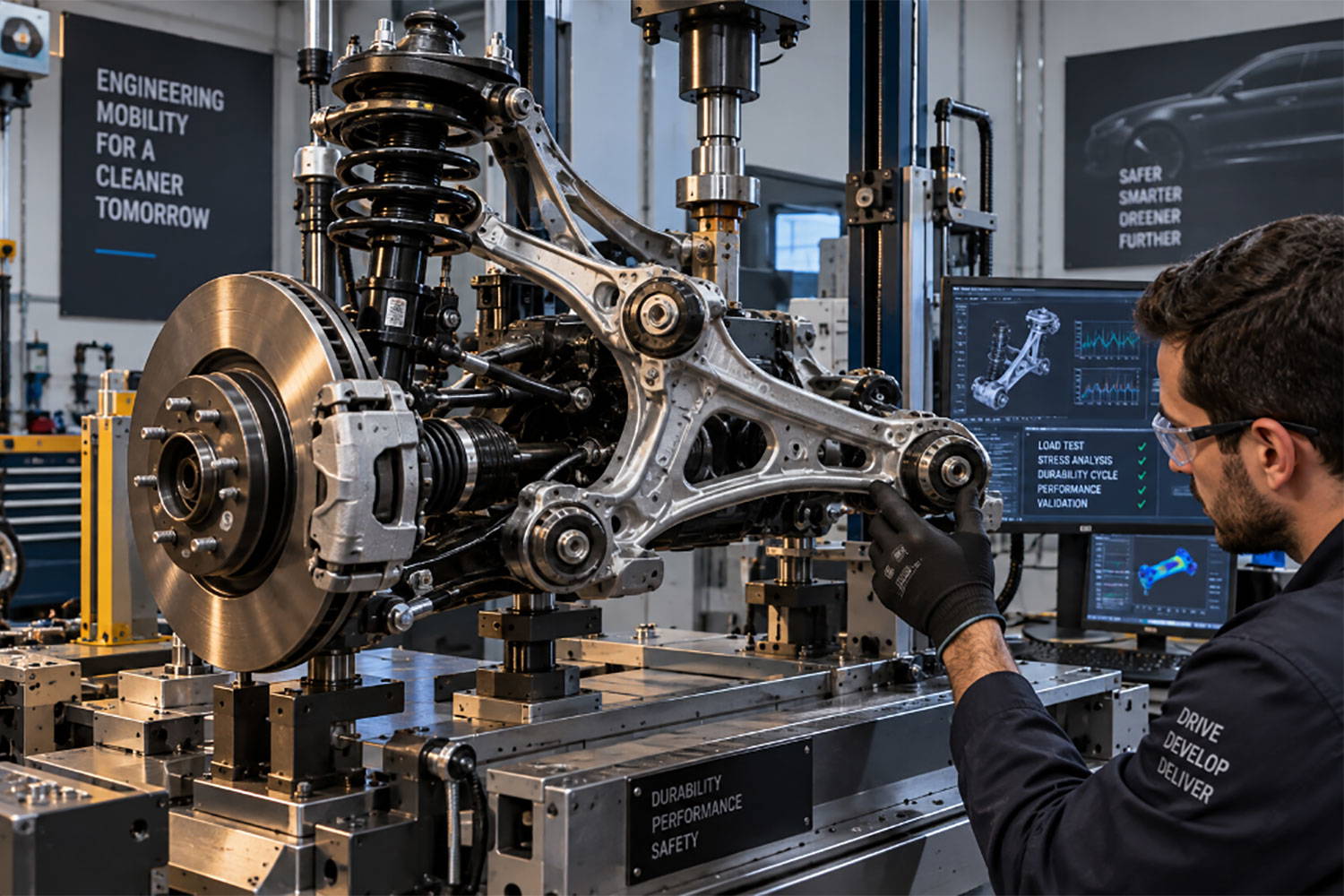
Automotive and transport components
Structural and mechanical parts subject to fatigue and dynamic loading under real-world duty cycles.
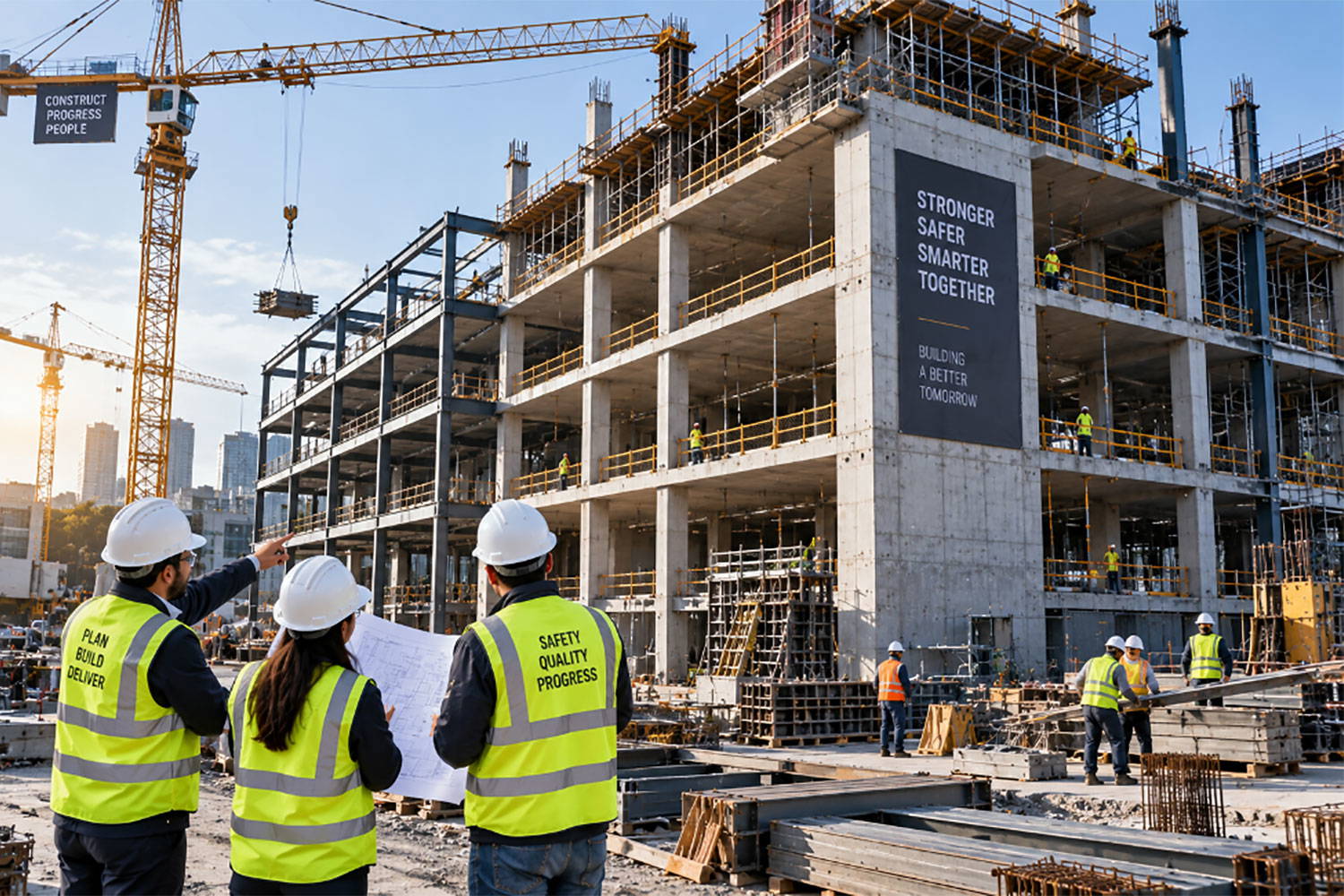
Construction and structural systems
Steel and concrete elements requiring capacity checks, life assessment, or investigation following a structural concern.
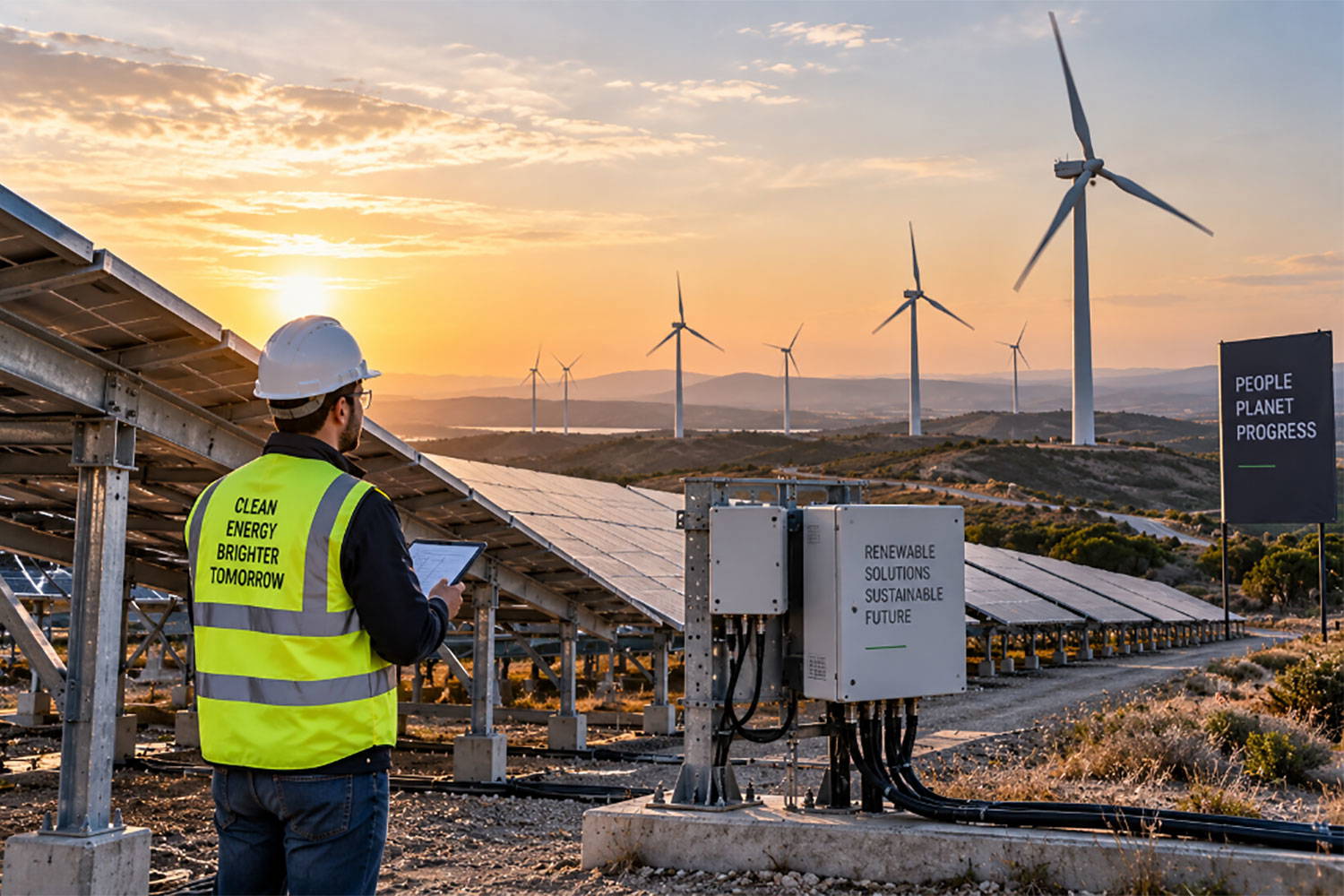
Energy and renewables
Structural components for equipment that must perform reliably in harsh or remote operating conditions.
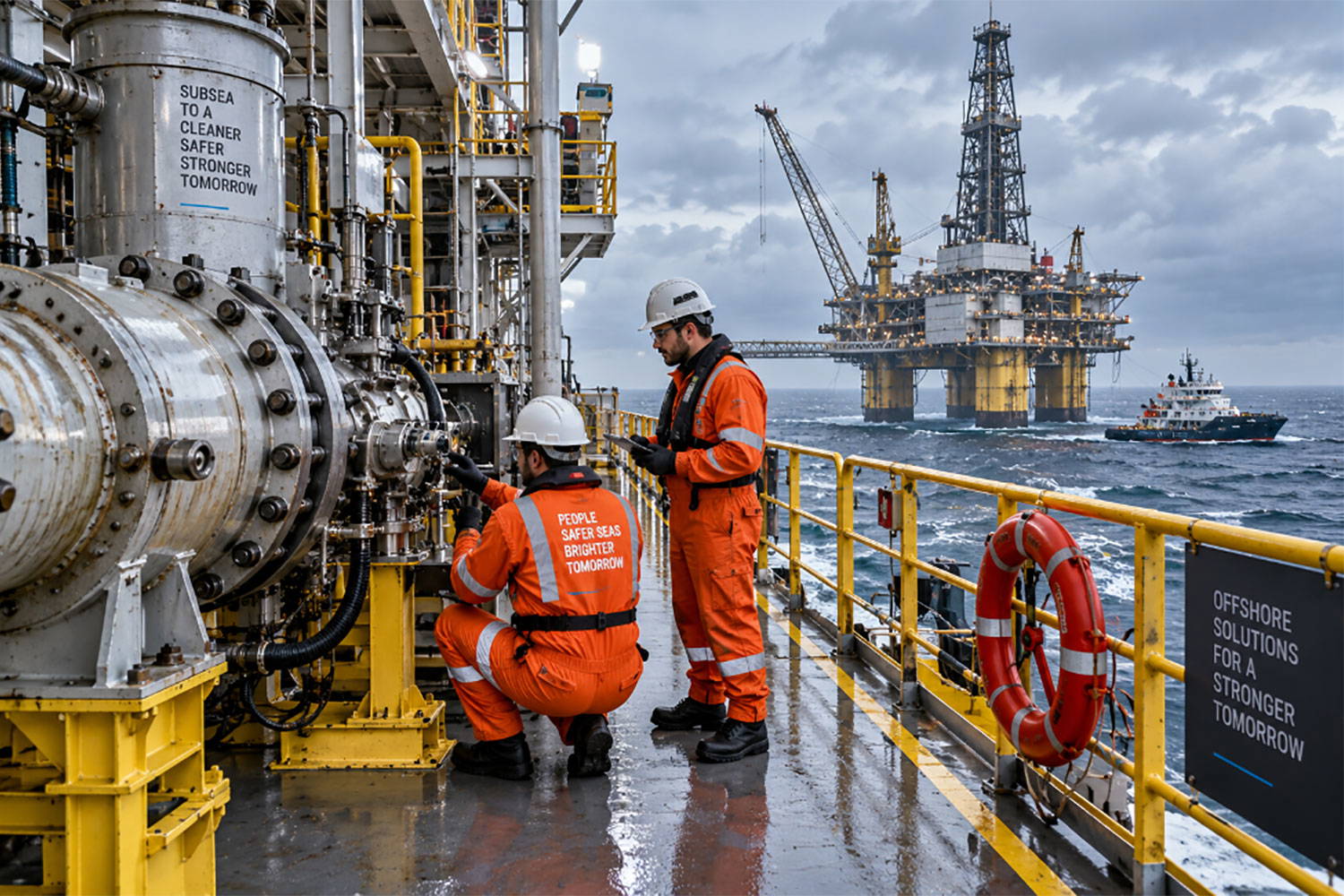
Marine and offshore equipment
Structures and fittings exposed to corrosive environments, dynamic loading, and long unattended service intervals.
If your product or structure needs to prove it can carry a load, survive a duty cycle, or pass a certification review, this is work we take on regularly.
Our FEA Services
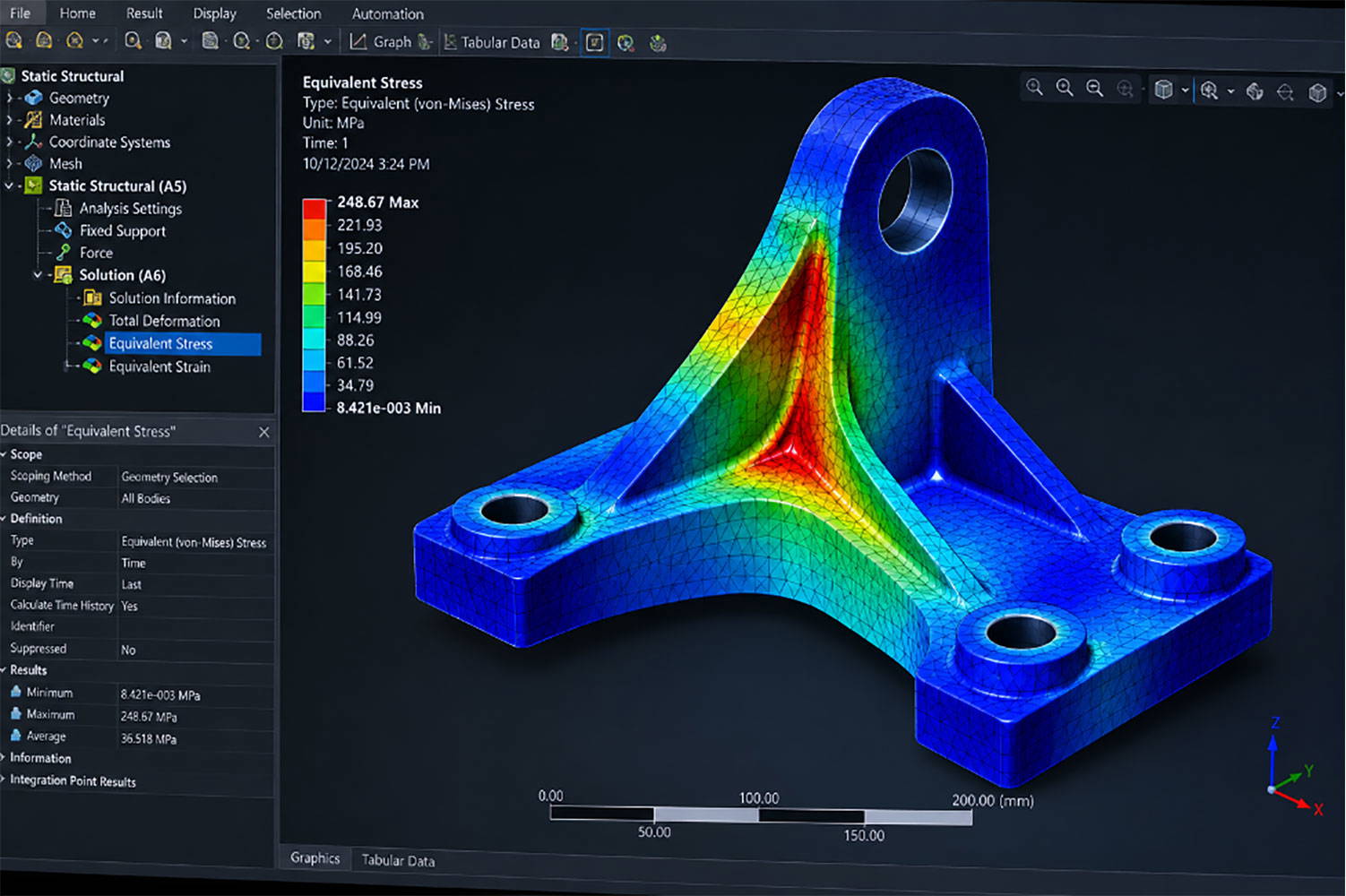
Structural Analysis
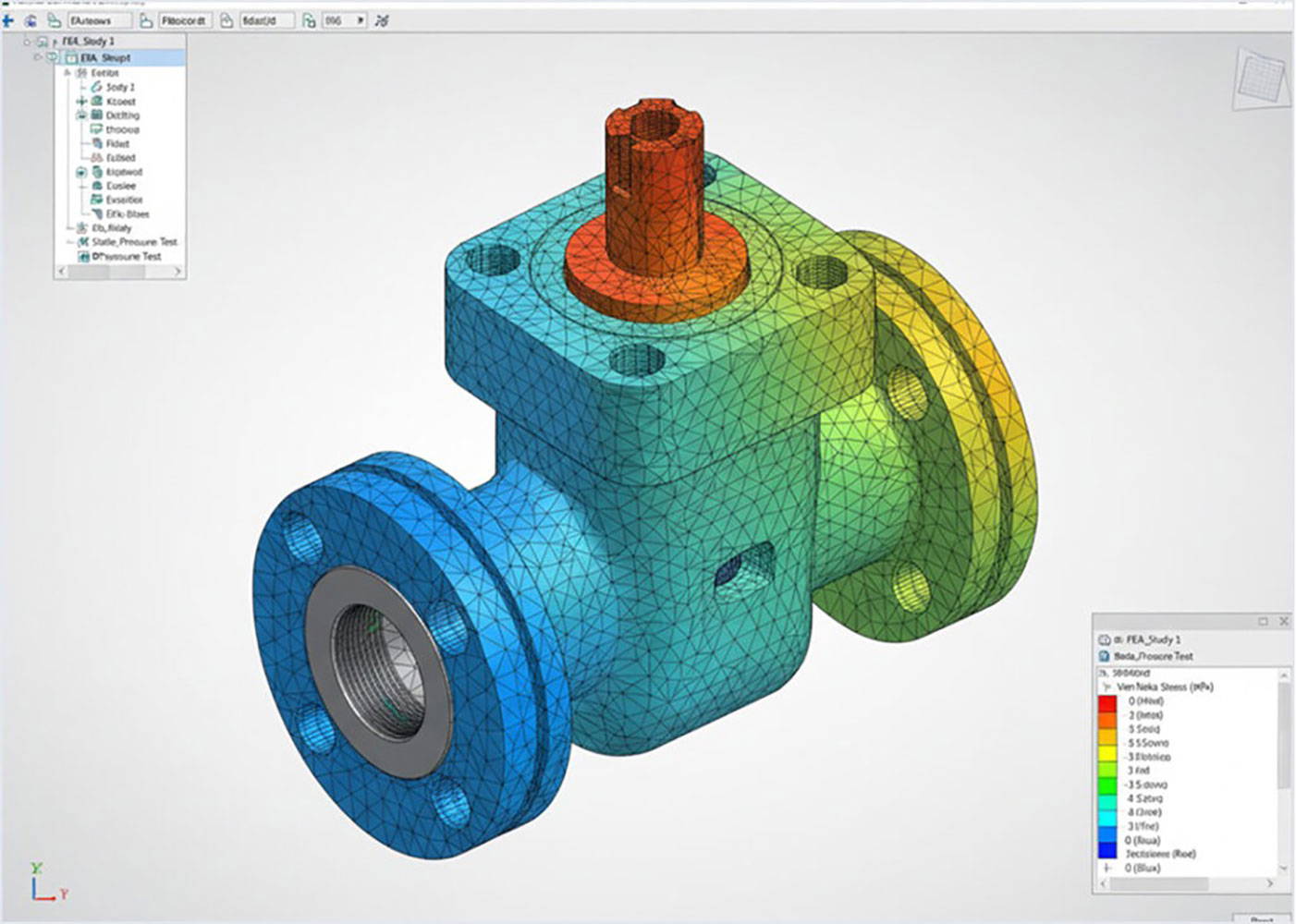
We evaluate how components and assemblies respond to static and dynamic loads, calculating stress, strain, and deflection to confirm a design meets its performance requirements with an appropriate margin of safety. This includes everything from simple bracket checks to full-assembly analysis involving multiple interacting parts.
Thermal and Multiphysics Simulation
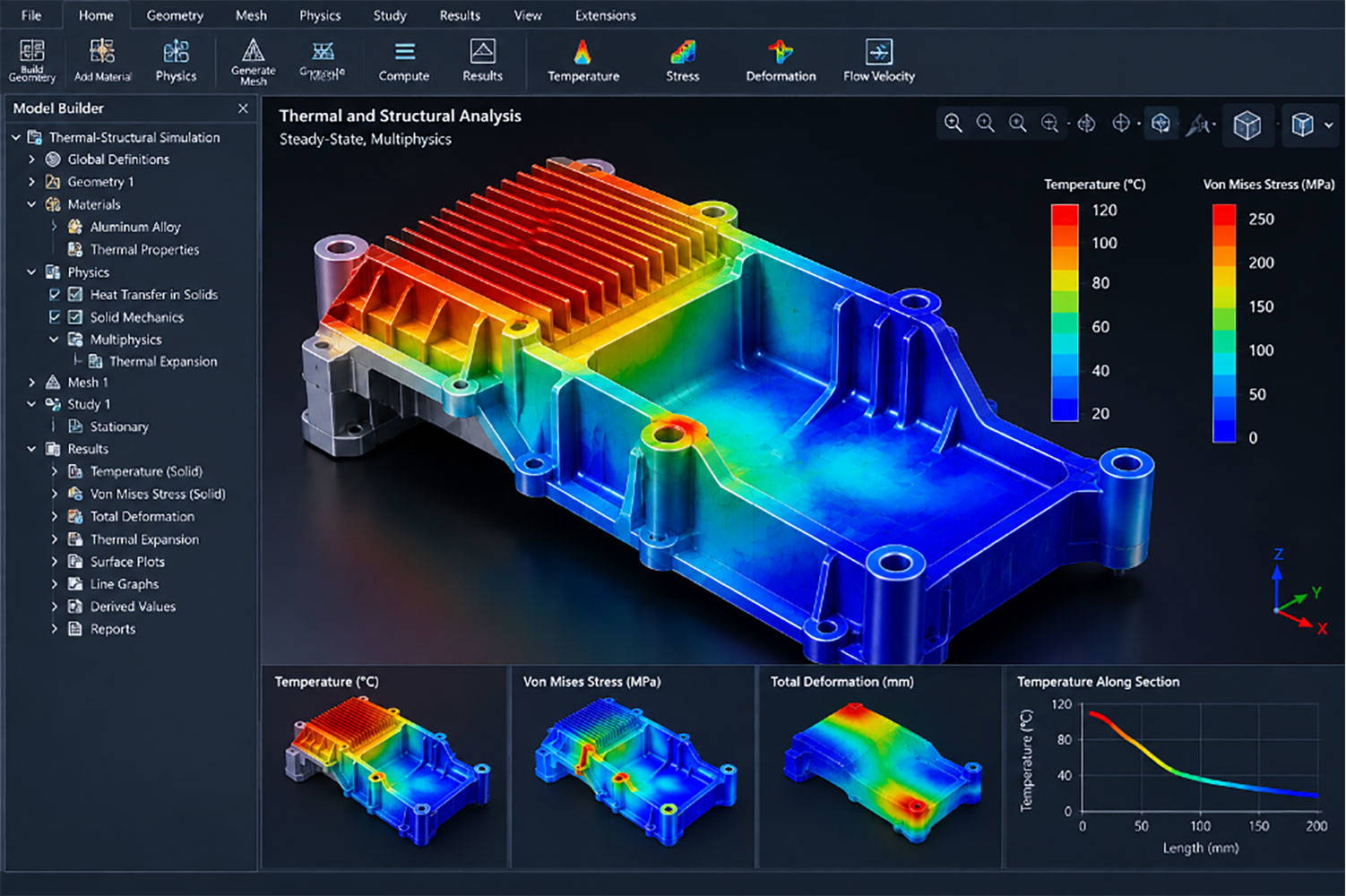
Many failures are not purely mechanical. We model coupled thermal-structural behaviour, including thermal expansion, thermal stress, and heat-driven fatigue, for applications ranging from electronic assemblies to industrial equipment operating at temperature. Where a problem involves more than one physical effect at once, we build models that capture that interaction rather than analysing each effect in isolation.
Fatigue and Life Assessment
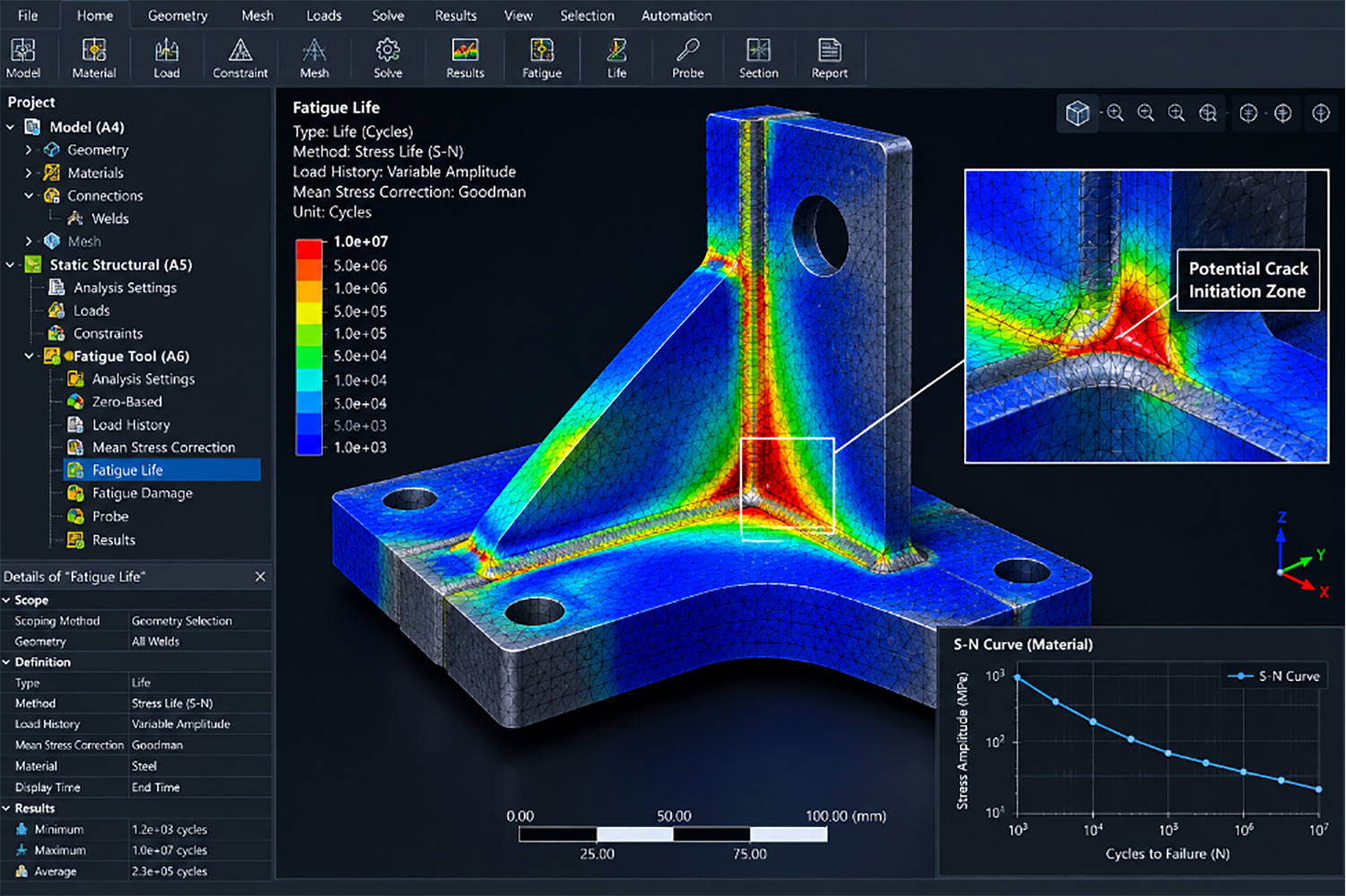
For components subject to repeated loading, we predict service life and identify the specific features, welds, fillets, or joints most likely to initiate a fatigue crack, so design changes can be targeted rather than guessed at. This work is especially valuable for equipment expected to operate for years under cyclic loading, where a small design oversight can become a major reliability issue.
Failure Investigation and Root Cause Analysis
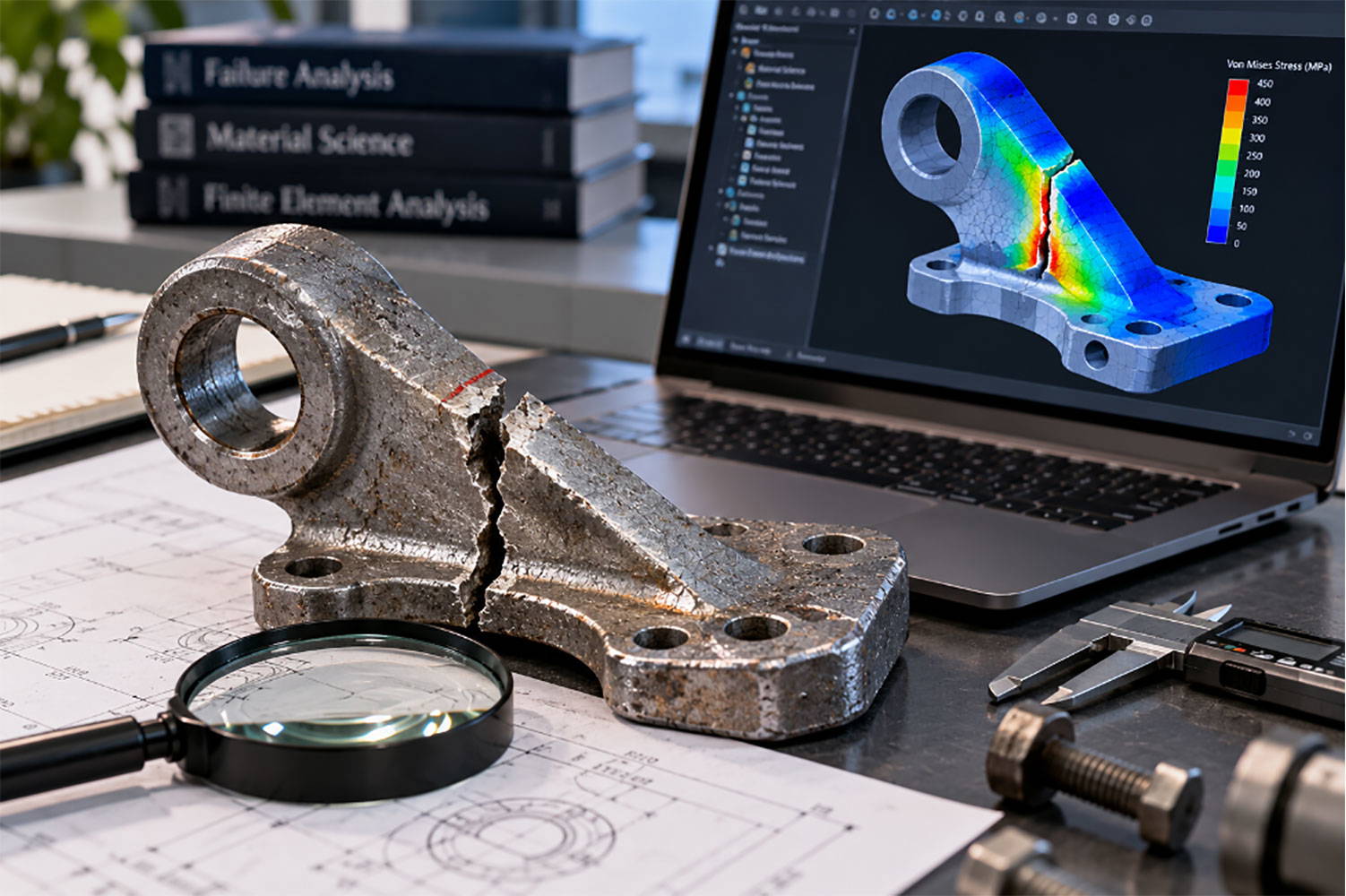
When something has already failed in service, whether through fatigue cracking, corrosion, overload, or an unexpected failure mode, we reconstruct the loading conditions and use simulation to identify the root cause, so the same failure does not repeat. This often involves working backward from physical evidence, inspection photos, load records, maintenance history, to build a model that reproduces the failure and points to the actual cause.
Nonlinear Analysis
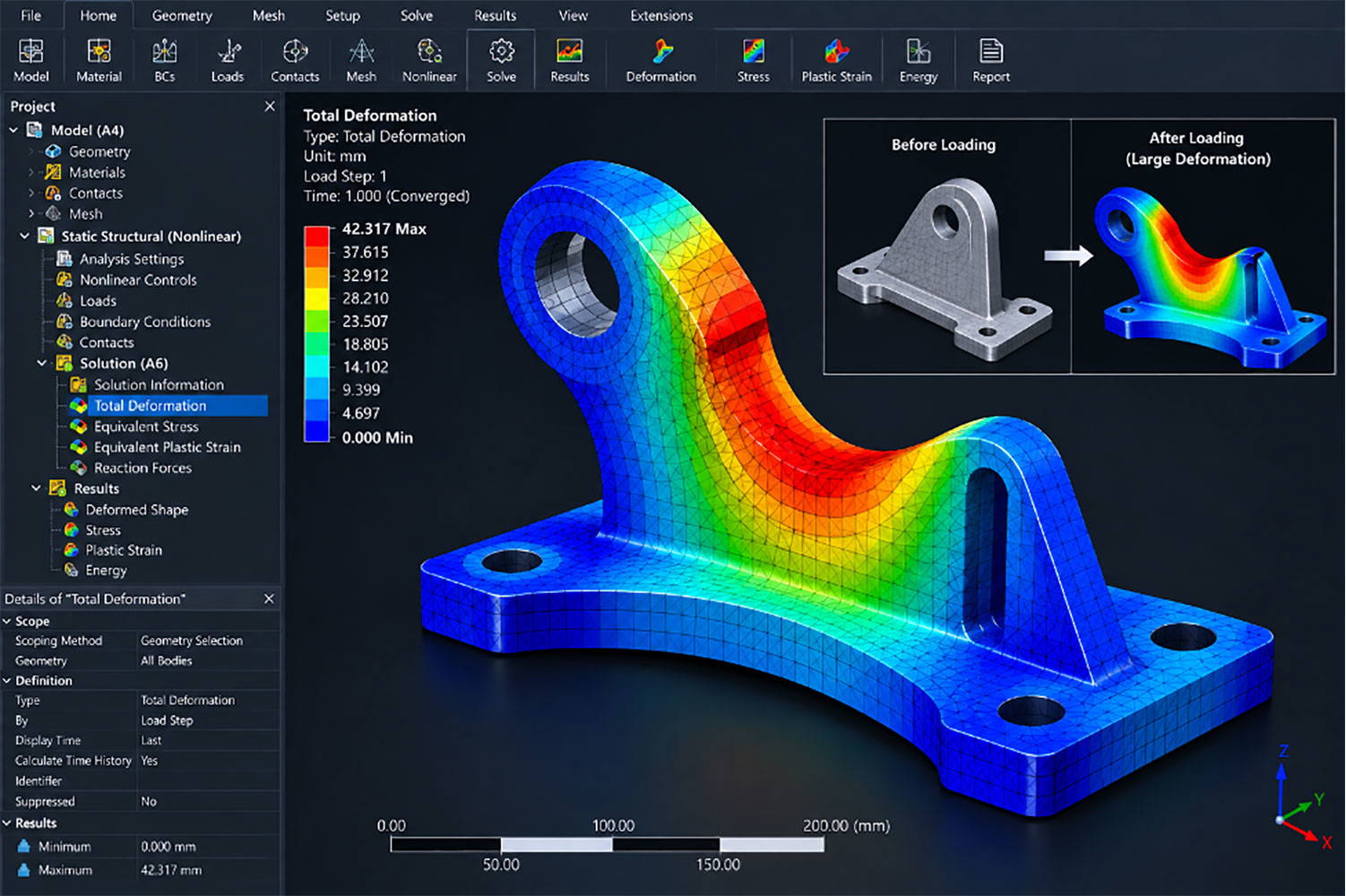
Where material behaviour, large deformation, or contact between parts makes a linear assumption inaccurate, we run full nonlinear simulations to capture the real response of the system, including plastic deformation and post-yield behaviour. This is essential for anything involving impact, crushing, snap-fit design, or components pushed beyond their elastic limit under extreme loading.
Vibration and Shock Analysis
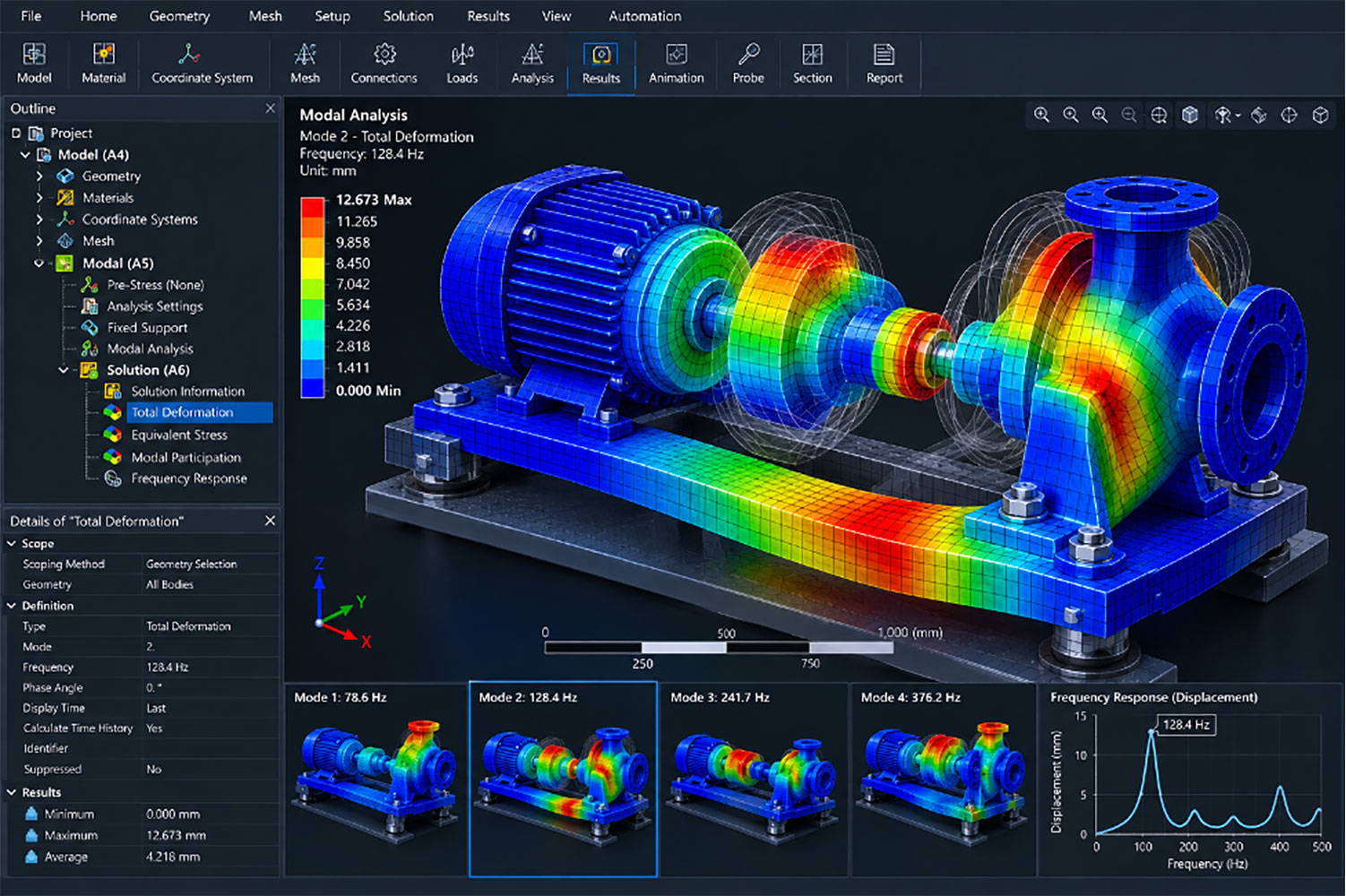
For equipment and assemblies exposed to dynamic environments, we assess natural frequencies, resonance risk, and response to shock loading, which is particularly important for transport, handling equipment, and electronics. We identify resonance conditions before they cause premature failure in service, and evaluate how a design responds to drop, impact, or transport shock events.
Feasibility and Concept Studies
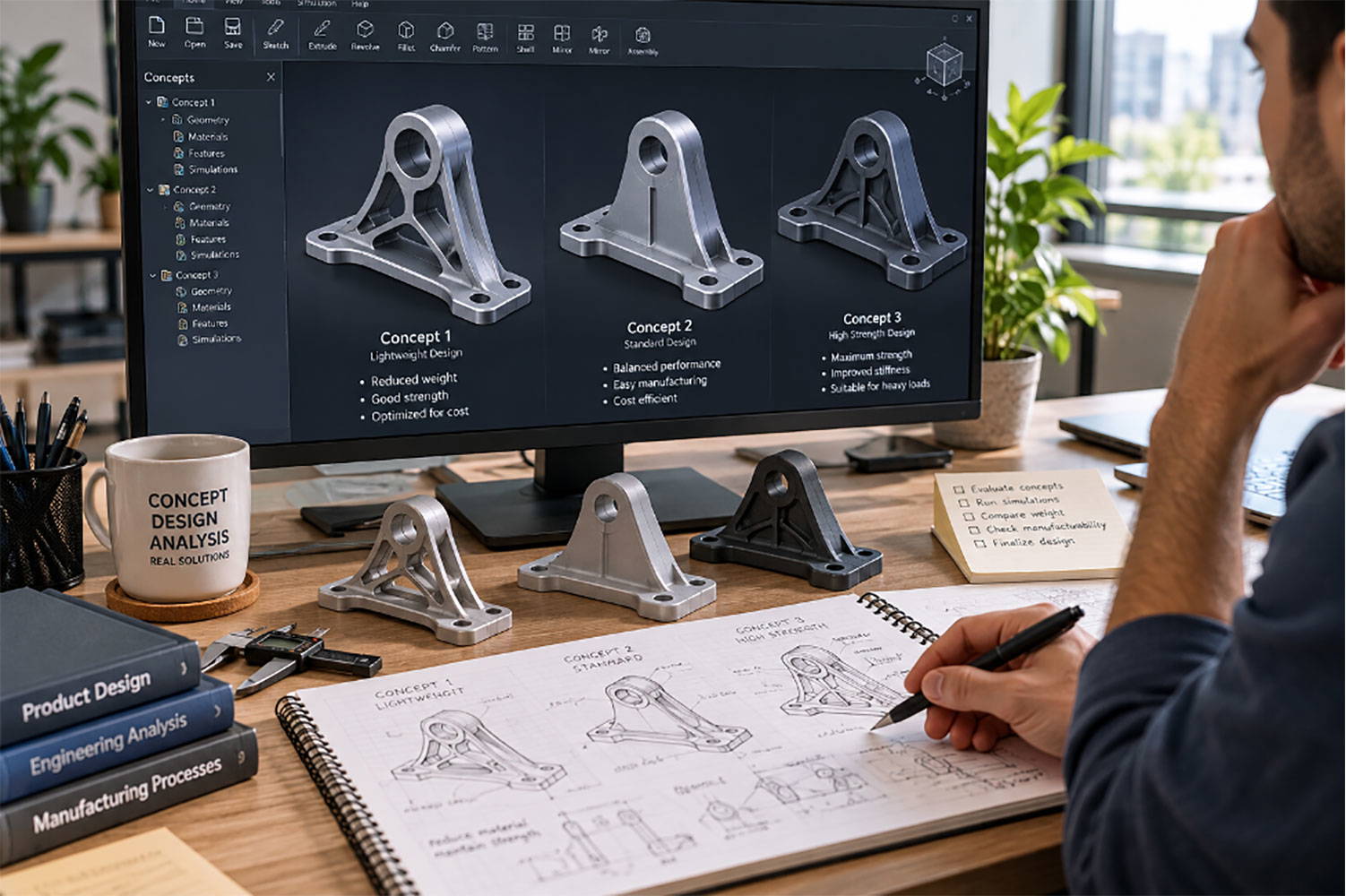
Early in a project, before a design is locked down, we use simplified FEA models to compare structural concepts and rule out approaches that will not meet load or life requirements, saving redesign time later. This lets a project team make an informed choice between design directions before significant engineering time is invested in detailed development.
Design Verification and Certification Support
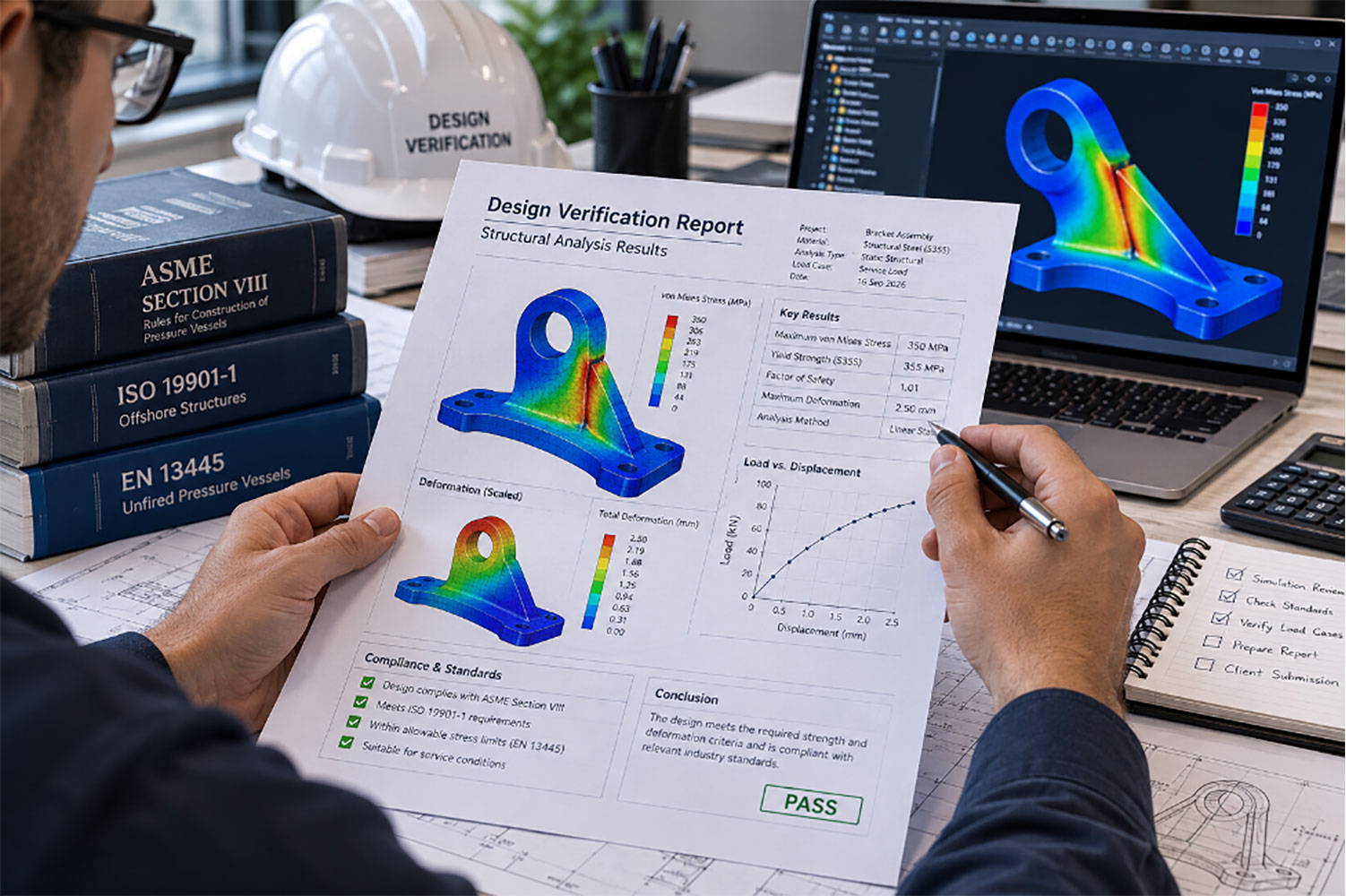
We produce structured, documented analysis reports suitable for submission to certification bodies, clients, or internal design review boards, written to be defensible and easy to follow. Where a project requires analysis to a specific standard or code, we work to that standard explicitly and document our compliance clearly.
Composite and Advanced Material Analysis
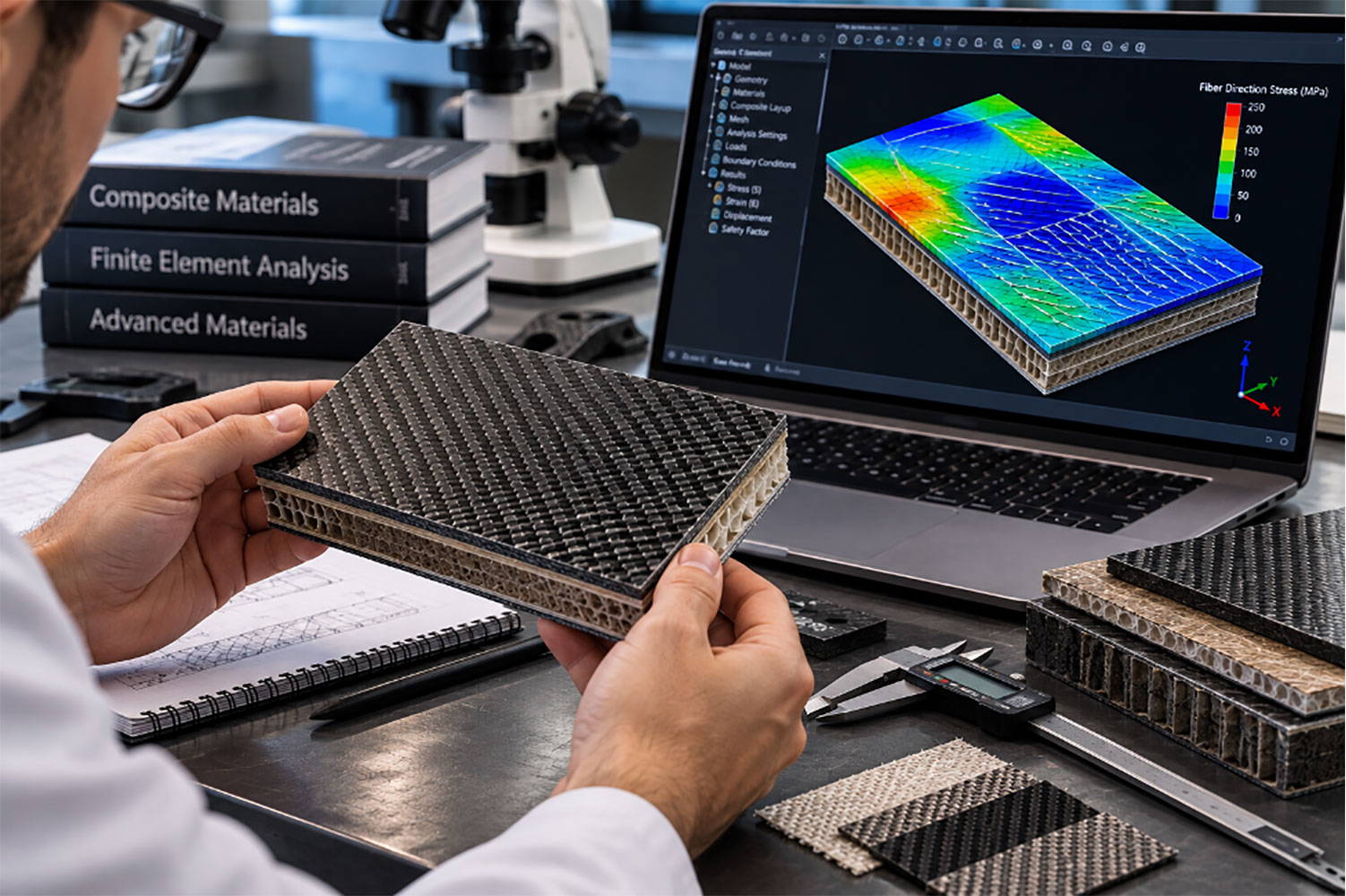
For structures using composite materials or advanced alloys, we model the specific, often directional, behaviour of these materials rather than relying on simplified assumptions that do not reflect how they actually perform.
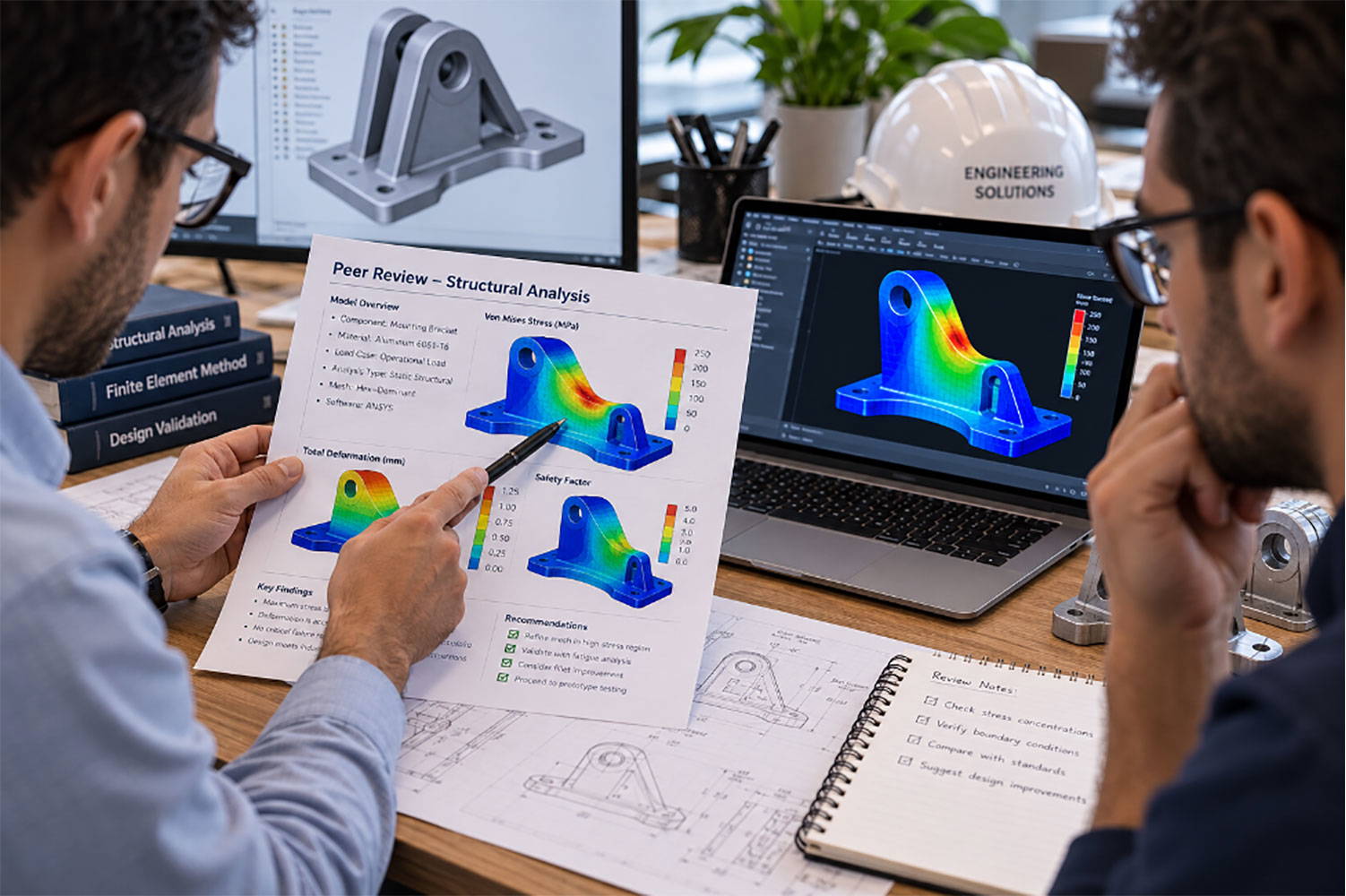
Second Opinion and Peer Review
Where an existing analysis needs independent verification, for a client, an insurer, or an internal stakeholder, we review the model, assumptions, and results and provide an honest, independent assessment.
Our Process
We typically work through a project in four stages. First, scoping: we agree exactly what question the analysis needs to answer, what loading conditions apply, and what a successful outcome looks like. Second, modelling: we build the computational model, including any necessary geometry cleanup, meshing, and definition of loads, materials, and boundary conditions. Third, analysis and review: we run the simulation, check the results for physical sense and numerical stability, and interrogate anything unexpected before presenting it as a finding. Fourth, reporting: we deliver a written report with clear conclusions and recommendations, and we remain available afterward to answer questions or run design iterations based on the results.
Frequently Asked Questions
What information do you need from us to start an FEA project?
At minimum, we need CAD geometry (or good reference drawings), the loading conditions the part or structure will experience, material properties, and the boundary conditions or supports involved. If any of this is not yet finalised, we can work with reasonable assumptions and refine the model as the design matures.
How long does a typical FEA study take?
It depends heavily on scope. A single-component structural check can often be turned around in a few days. A full assembly-level study with nonlinear contact, thermal coupling, or fatigue life prediction typically takes several weeks. We scope and quote every project individually so there are no surprises.
Can FEA actually replace physical testing?
Not entirely, and we would not recommend treating it that way. FEA dramatically reduces how much physical testing you need and tells you where to focus it, but a final validation test is still good practice for critical components. What FEA does is stop you finding out about a problem for the first time on the test bench.
Do you work with our existing CAD files, or do we need to provide something specific?
We work with all common CAD formats (STEP, IGES, Parasolid, and native files from major CAD packages). If your geometry needs cleanup or simplification for simulation purposes, that is part of our process and does not require extra work on your end.
What deliverables do we actually receive at the end of a project?
A full written report covering the methodology, assumptions, boundary conditions, results (stress, deflection, safety factors, or fatigue life as relevant), and our engineering recommendations. Where useful, we also provide annotated result plots and animations that are easier to share internally or with clients than raw data.
Can you help mid-project if a design is already causing problems?
Yes. A large part of our work is exactly this: a design is in trouble, either failing in testing or already in the field, and we are brought in to diagnose the cause and propose a fix. We are set up to move quickly on this kind of urgent investigation.
Do you validate your simulation results against physical testing?
Where physical test data exists, we compare our model results against it as standard practice, and adjust the model if there is a meaningful discrepancy. This correlation step is one of the best ways to build genuine confidence in a simulation before relying on it for a design decision.
Can you work to a specific industry standard or code?
Yes. Tell us which standard applies to your project and we will structure the analysis and reporting to meet it explicitly, including documenting the specific clauses or load cases addressed.
What happens if the analysis shows the design will fail?
That is a useful outcome, not a bad one, because it has been found before manufacture rather than after. We do not just report a failure; we work with you to understand why it is happening and propose specific, practical design changes to resolve it.
Do you offer ongoing simulation support through a full project, or only one-off studies?
Both. Some clients need a single focused check; others bring us in as an ongoing simulation resource throughout a development programme, running updated analysis as the design evolves. We scale to whichever fits your project.
Computer-Aided Design (CAD) Services
Introduction
Façade Creations provides mechanical CAD services for teams turning an idea into a product that can actually be manufactured. This niche sits between concept and production: it is the discipline of engineering design, taking a functional requirement and working out exactly how it will be built, what it will be made from, how the parts will fit and move together, and how it will be produced at the volumes and cost your project needs.
A CAD model that only looks right is not the same as a CAD model that is right. Every design decision, wall thickness, fastener choice, tolerance stack, draft angle, has consequences downstream in manufacturing, assembly, and cost. Our approach is to bring that manufacturing and assembly awareness into the design process from the very first concept sketch, rather than discovering the problems after tooling has already been ordered.
We think of mechanical design as a series of trade-offs, and our job is to make those trade-offs visible and deliberate rather than accidental. A part that is cheaper to machine might be harder to assemble. A lighter design might be more expensive to produce. There is rarely a single correct answer, but there is almost always a better-informed one, and that is what we aim to give every client we work with.
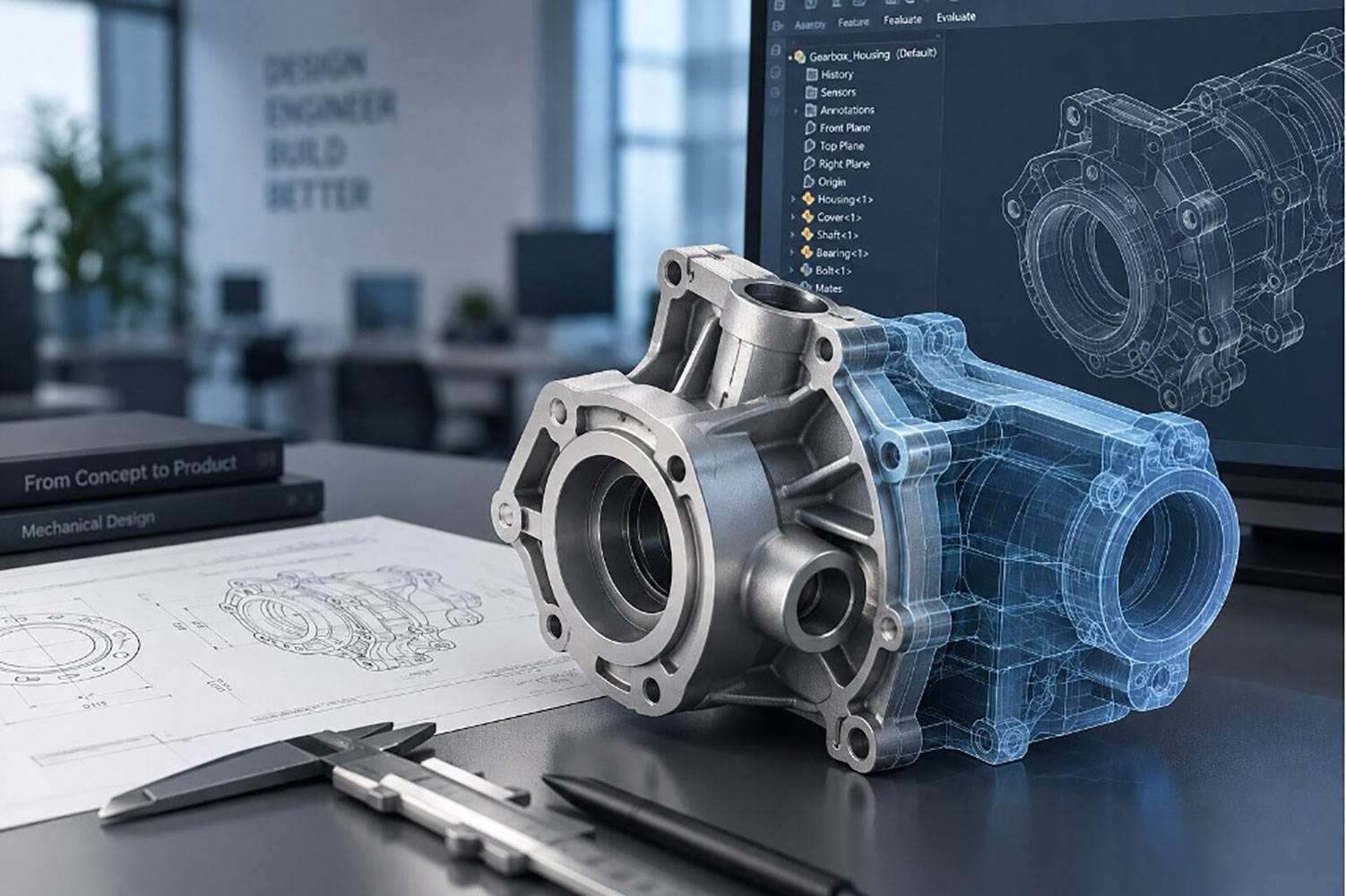
Our engineers come from backgrounds across product design, industrial equipment, and manufacturing engineering, which means we design with an understanding of how a part will actually be produced, not just how it will look in a rendered model. That perspective tends to save clients real time and cost once a design moves toward production.
Industries We Serve
Industrial and capital equipment
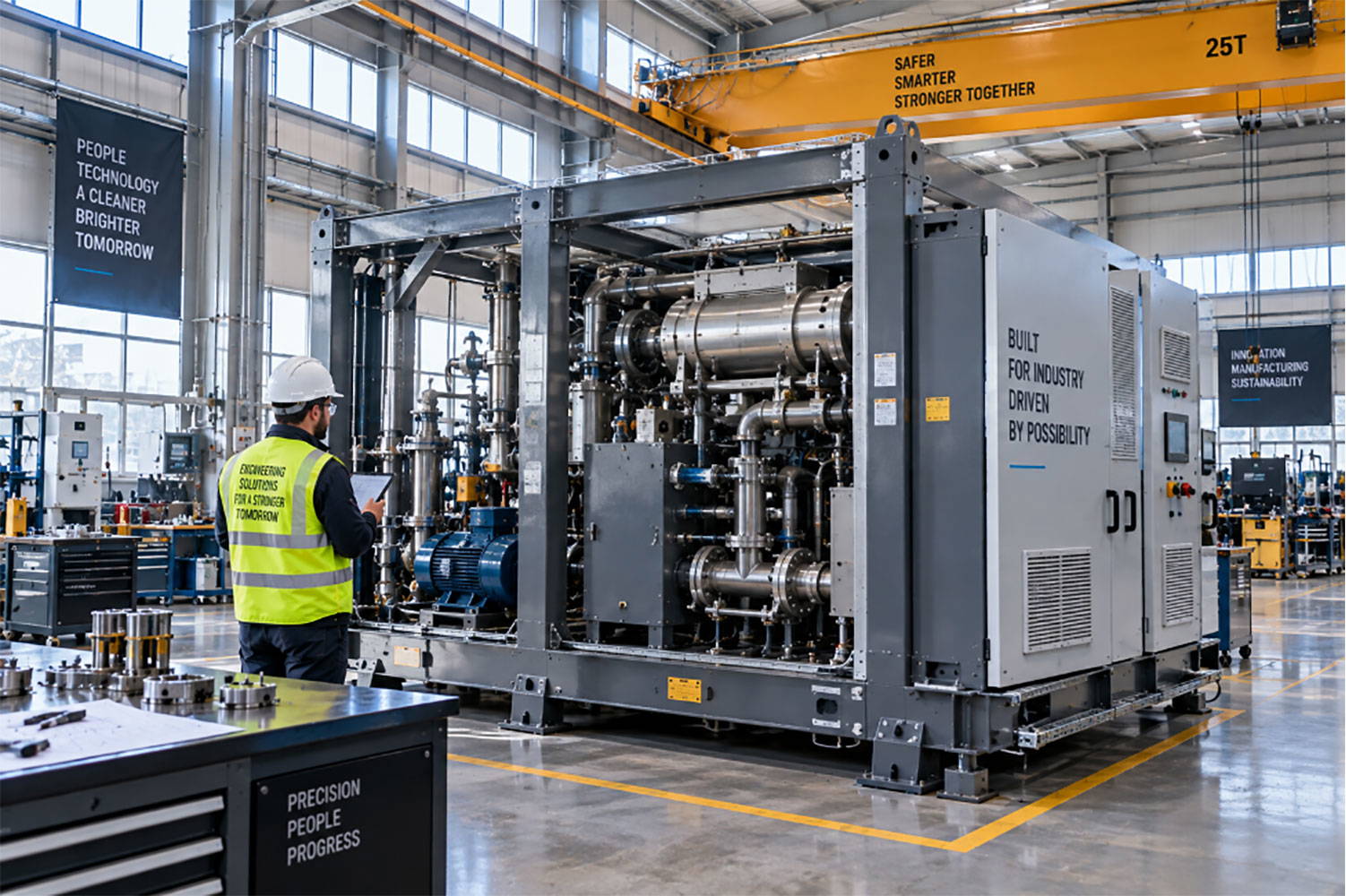
Machine frames, enclosures, and mechanical assemblies built for long service life and serviceability
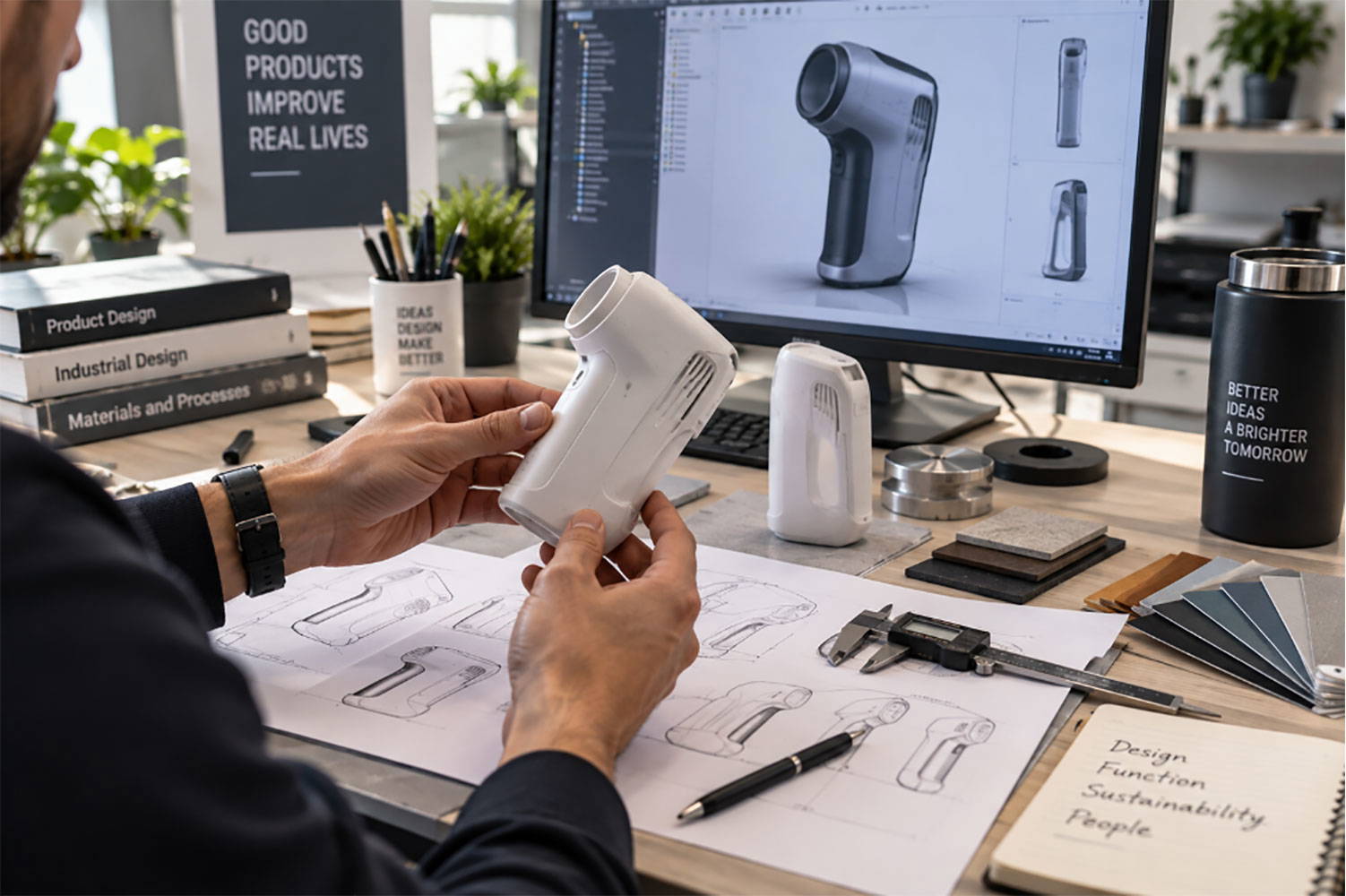
Consumer and commercial products
From concept development through to production-ready detail, balancing cost, manufacturability, and design intent.
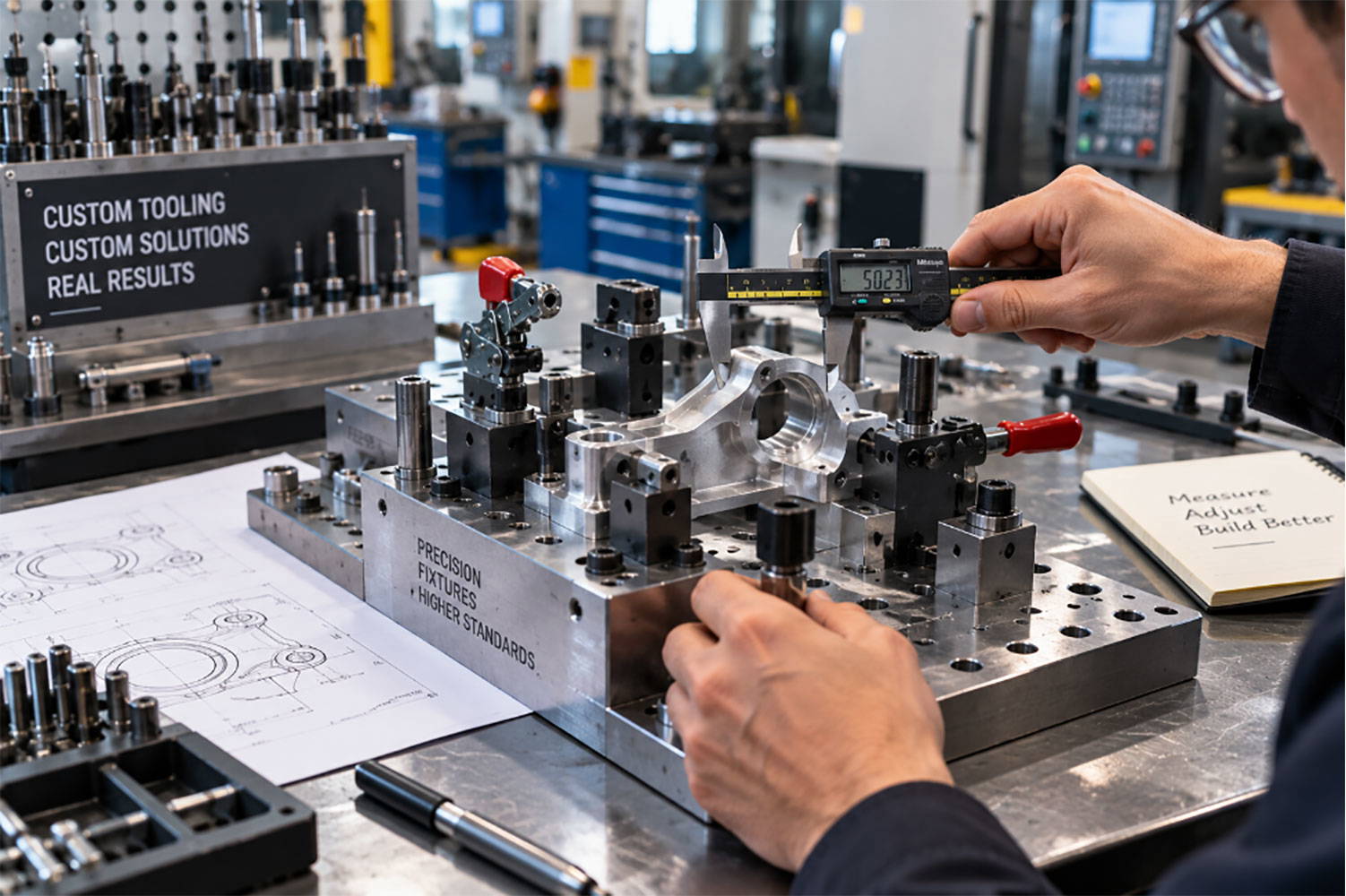
Custom tooling and fixtures
Jigs, fixtures, and specialised equipment for manufacturing lines, designed for accuracy and repeatable use.
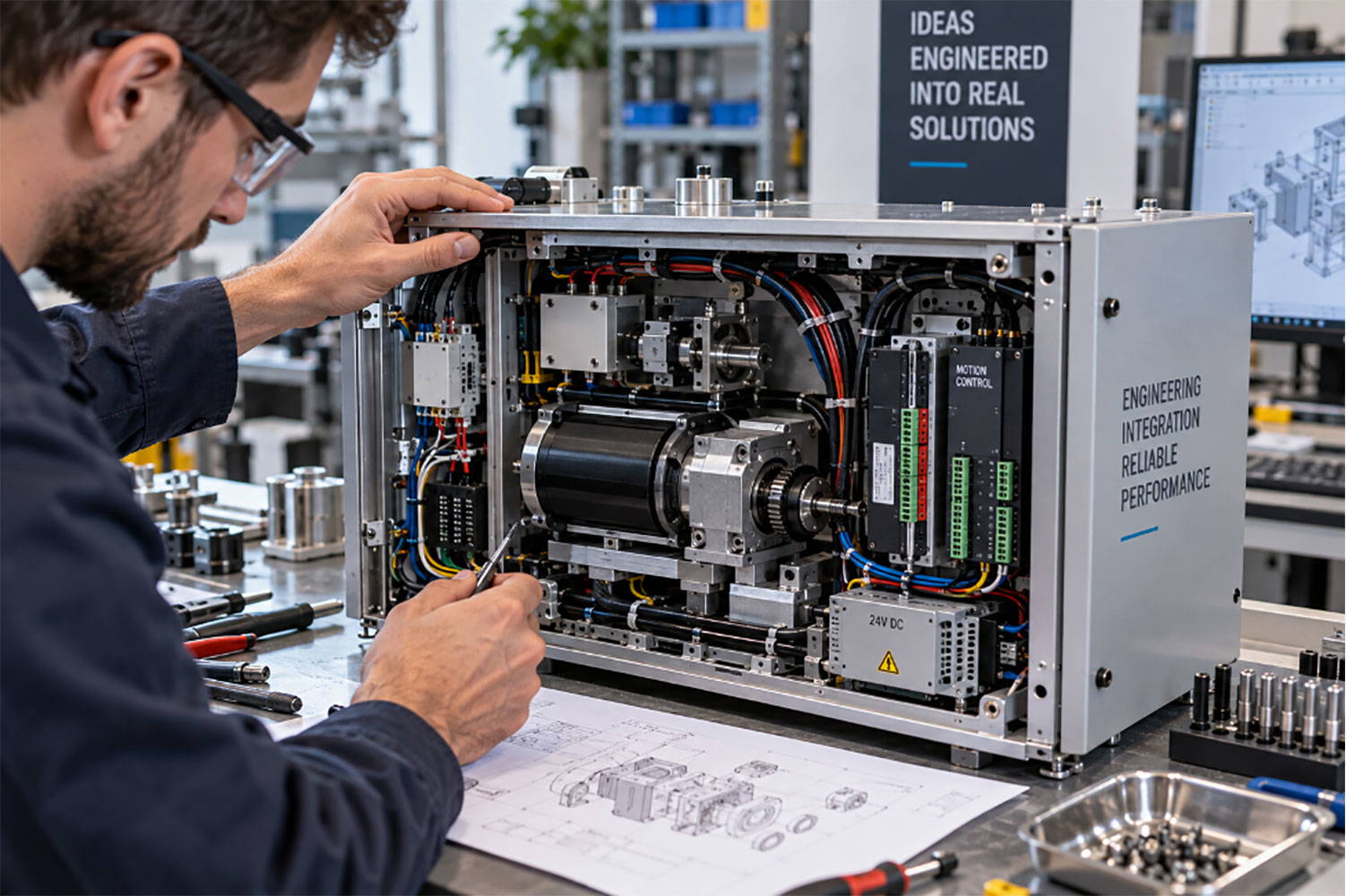
Electromechanical assemblies
Enclosures and structural housings for electronic products, including thermal and access considerations.
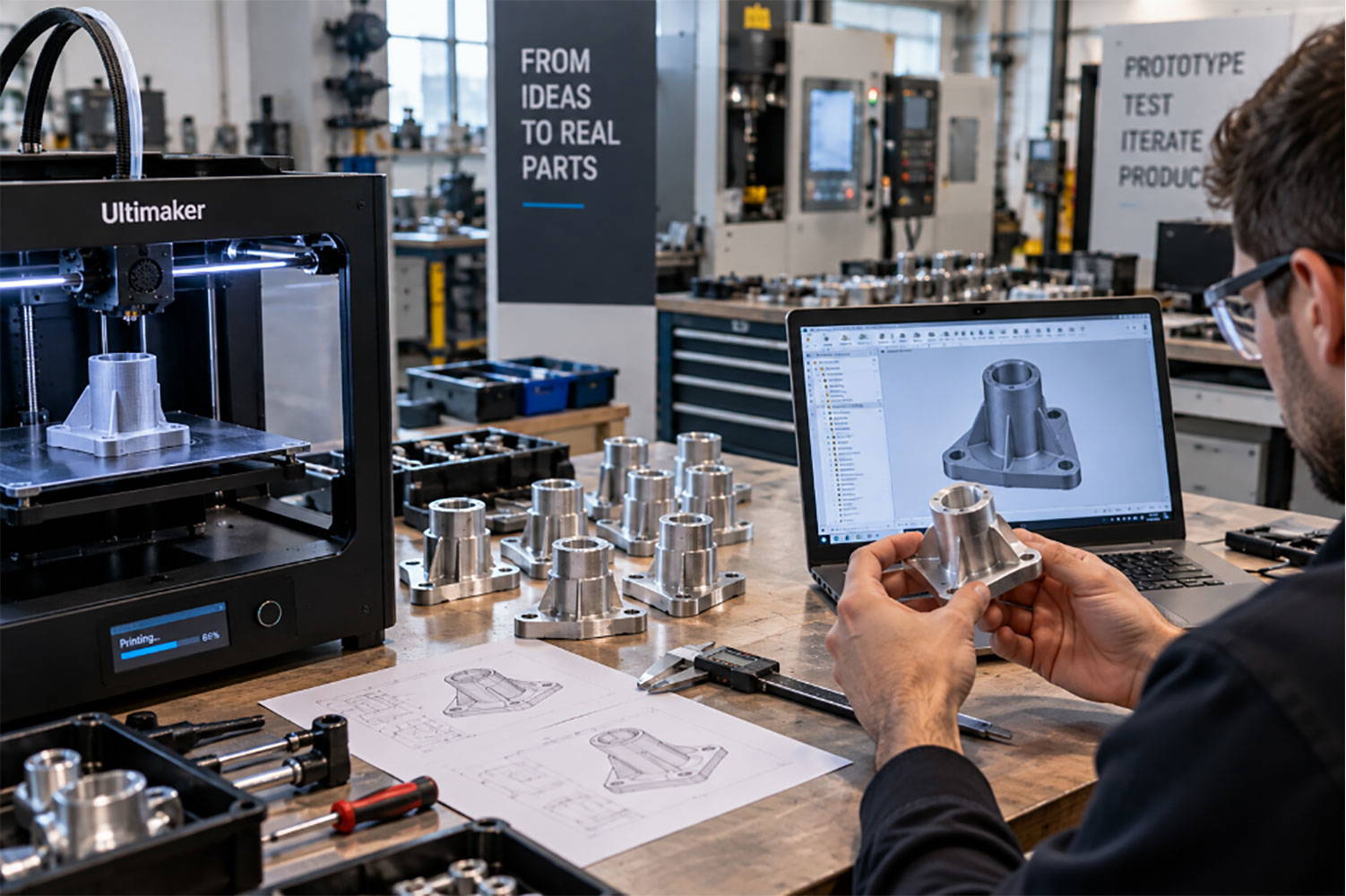
Prototyping and short-run manufacturing
Design suited to 3D printing, CNC machining, and low-volume production methods.
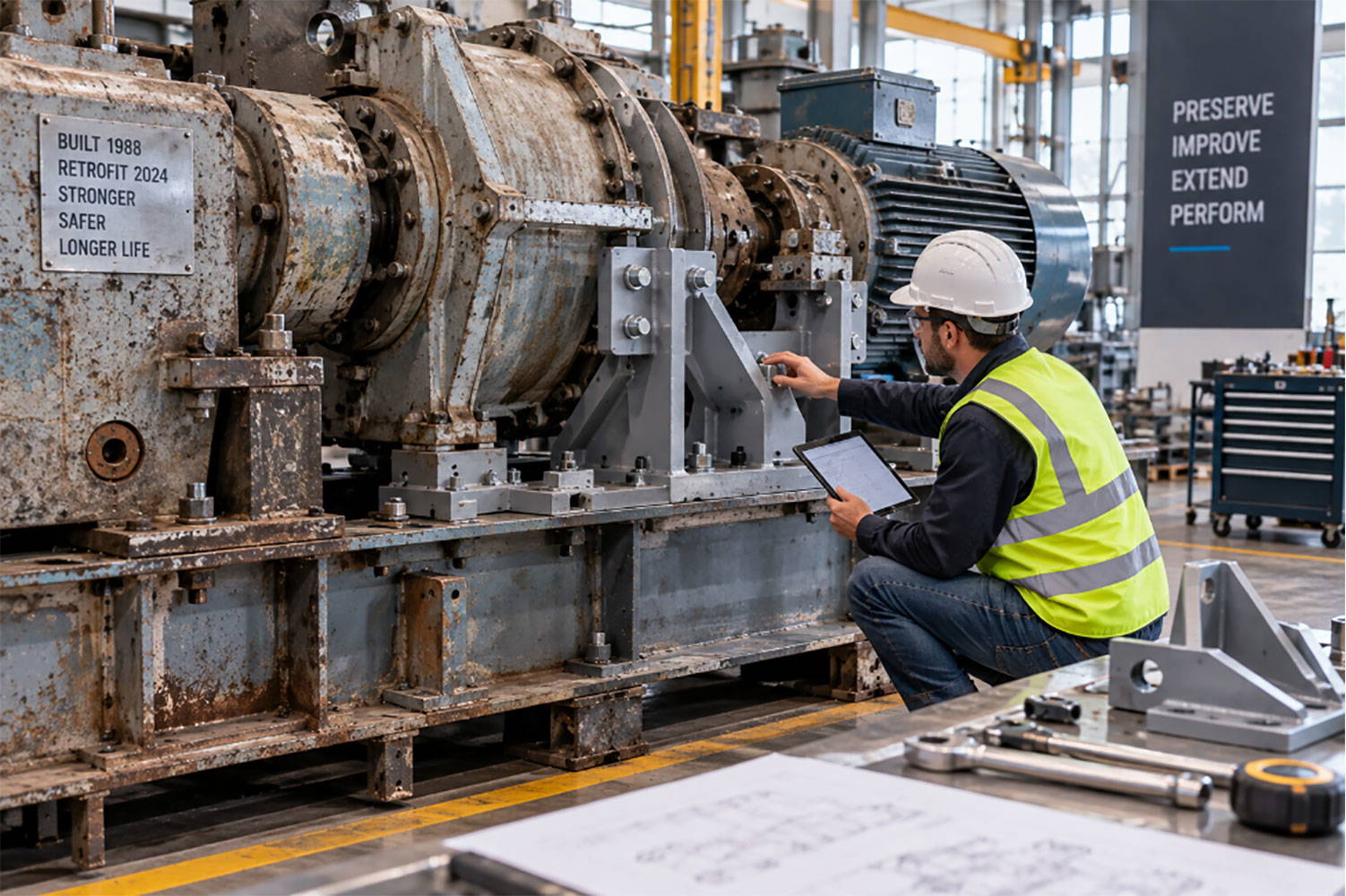
Structural and mechanical retrofits
Redesigning or adapting existing equipment and assemblies to new requirements or components.
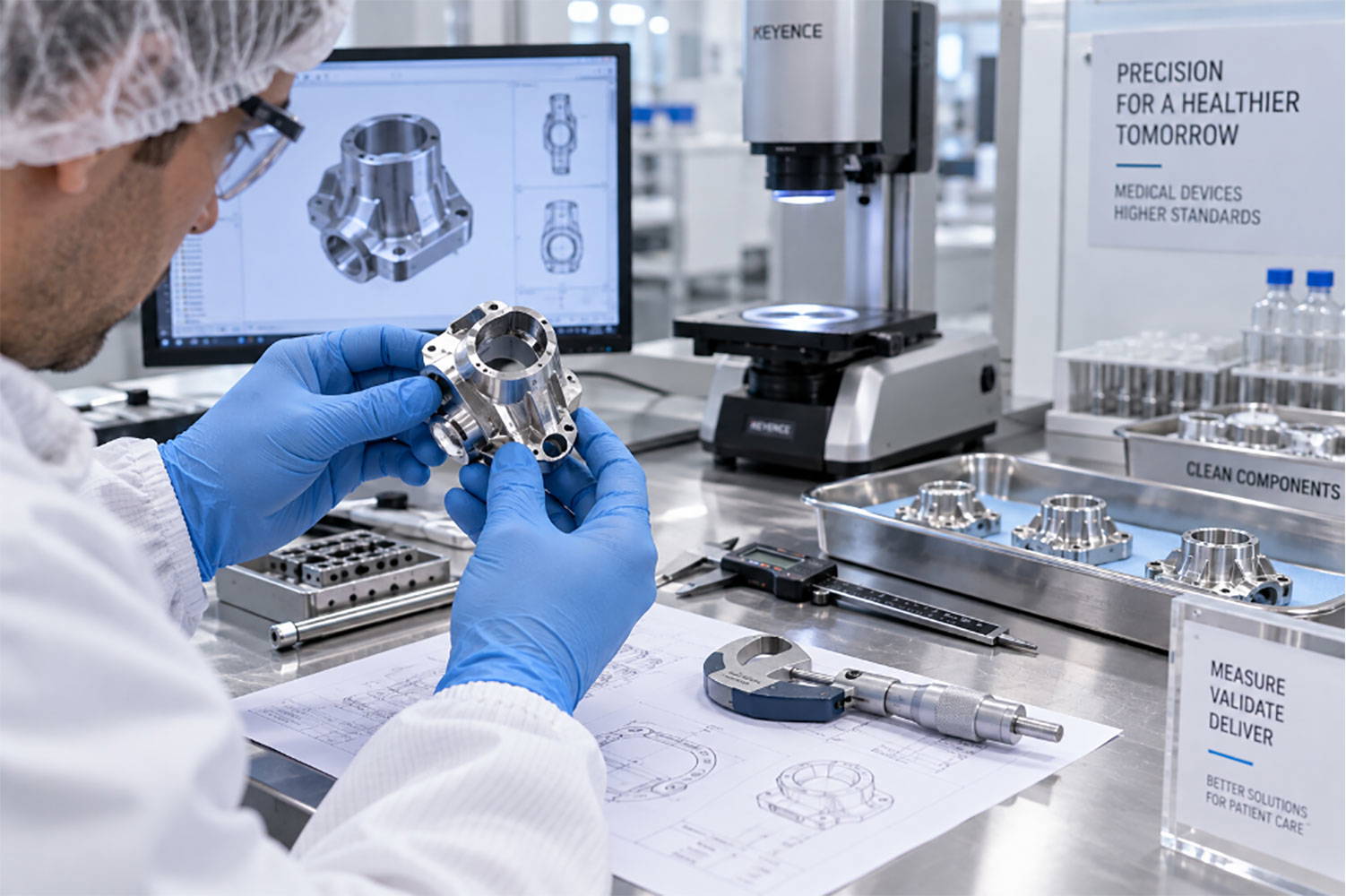
Medical and precision equipment
Mechanical design work requiring tight tolerances and thorough documentation.
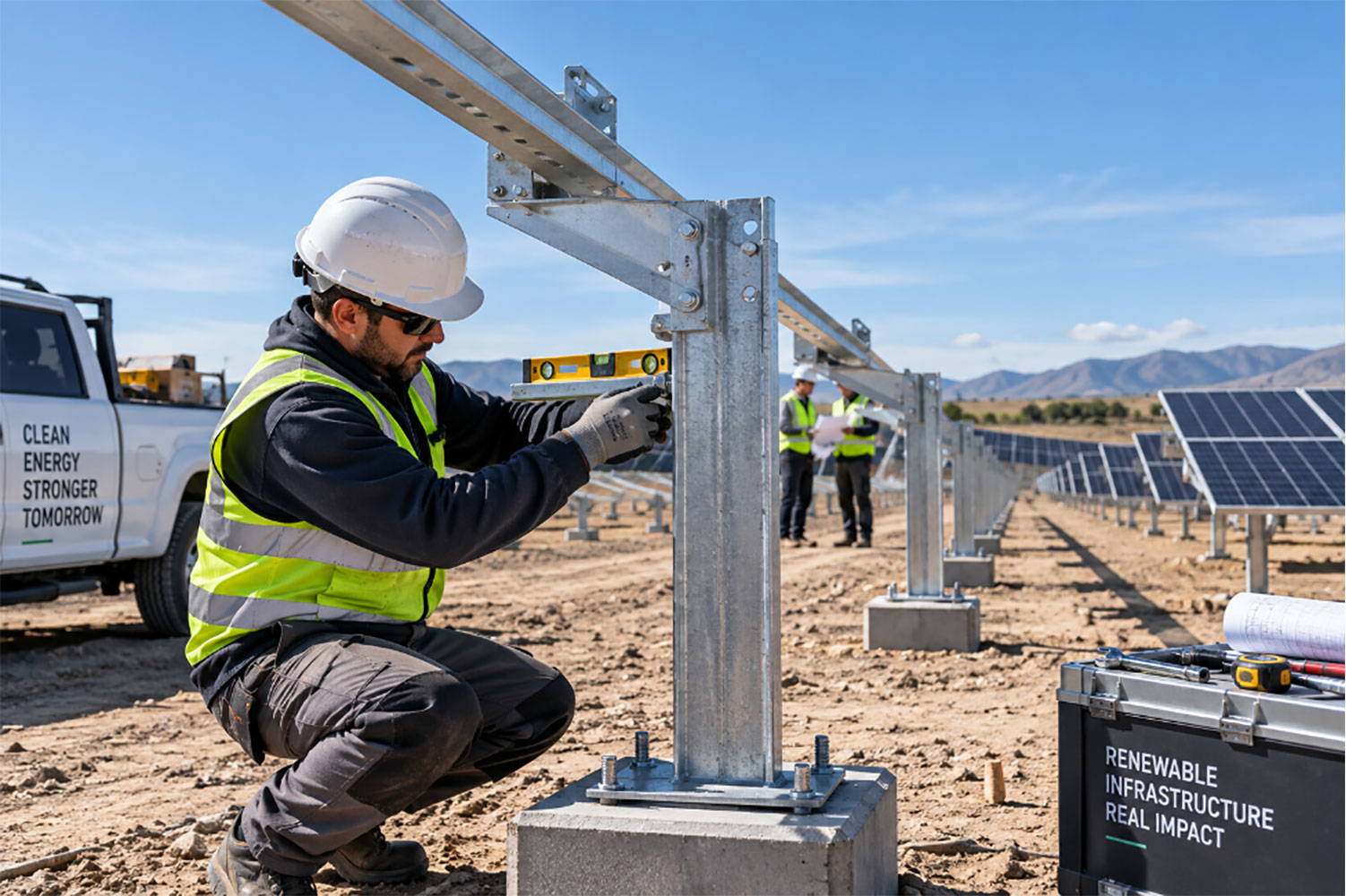
Renewable energy and infrastructure hardware
Mounting systems, brackets, and mechanical components engineered for outdoor and long-term service.
Our CAD Services
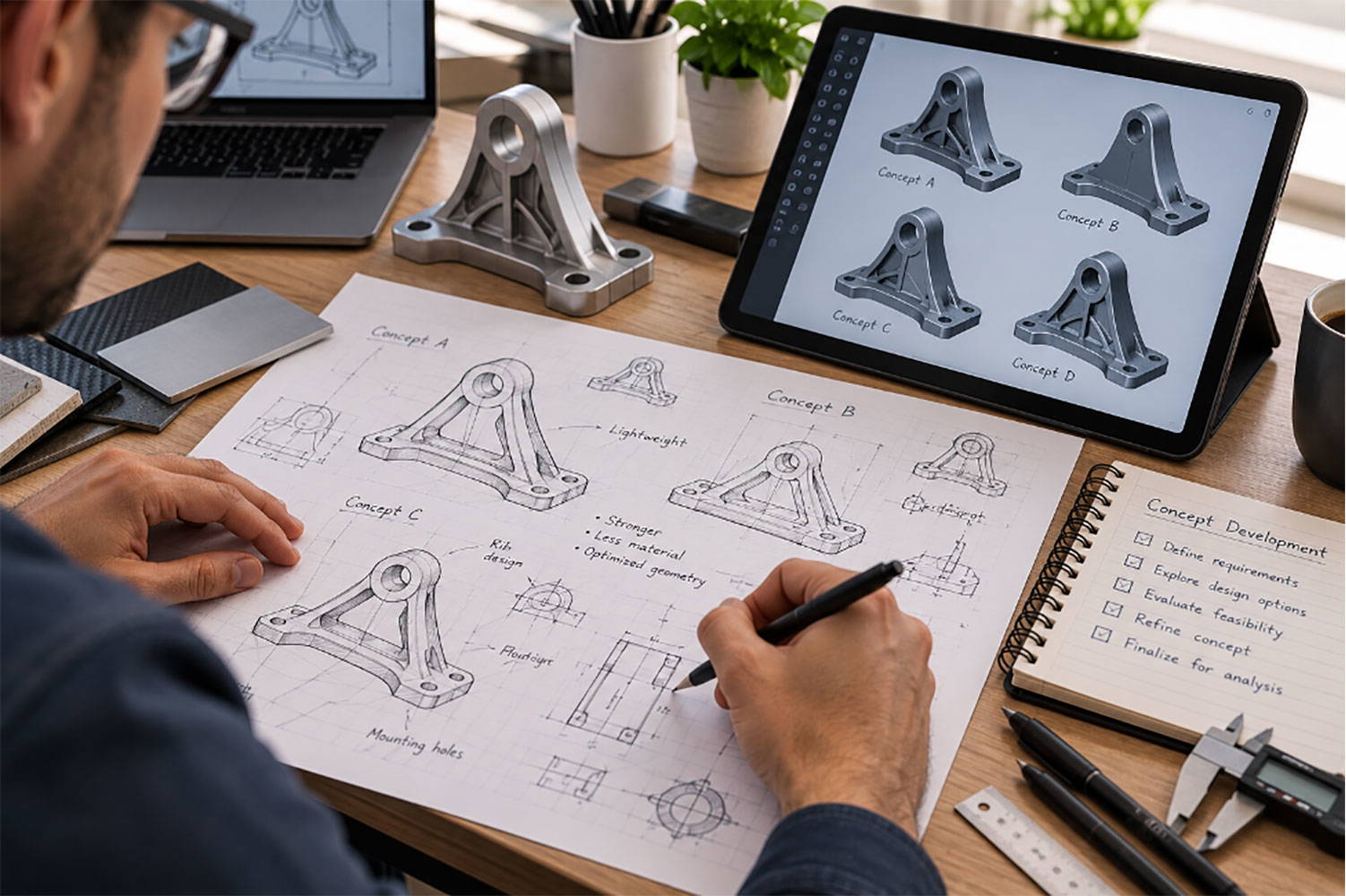
Concept Development
We take an early idea, a sketch, a functional brief, or a rough requirement, and develop it into workable concept geometry, exploring different mechanical approaches before committing to one direction. At this stage we deliberately keep options open, presenting alternatives with their respective trade-offs rather than jumping straight to a single design.
Detailed 3D Modelling
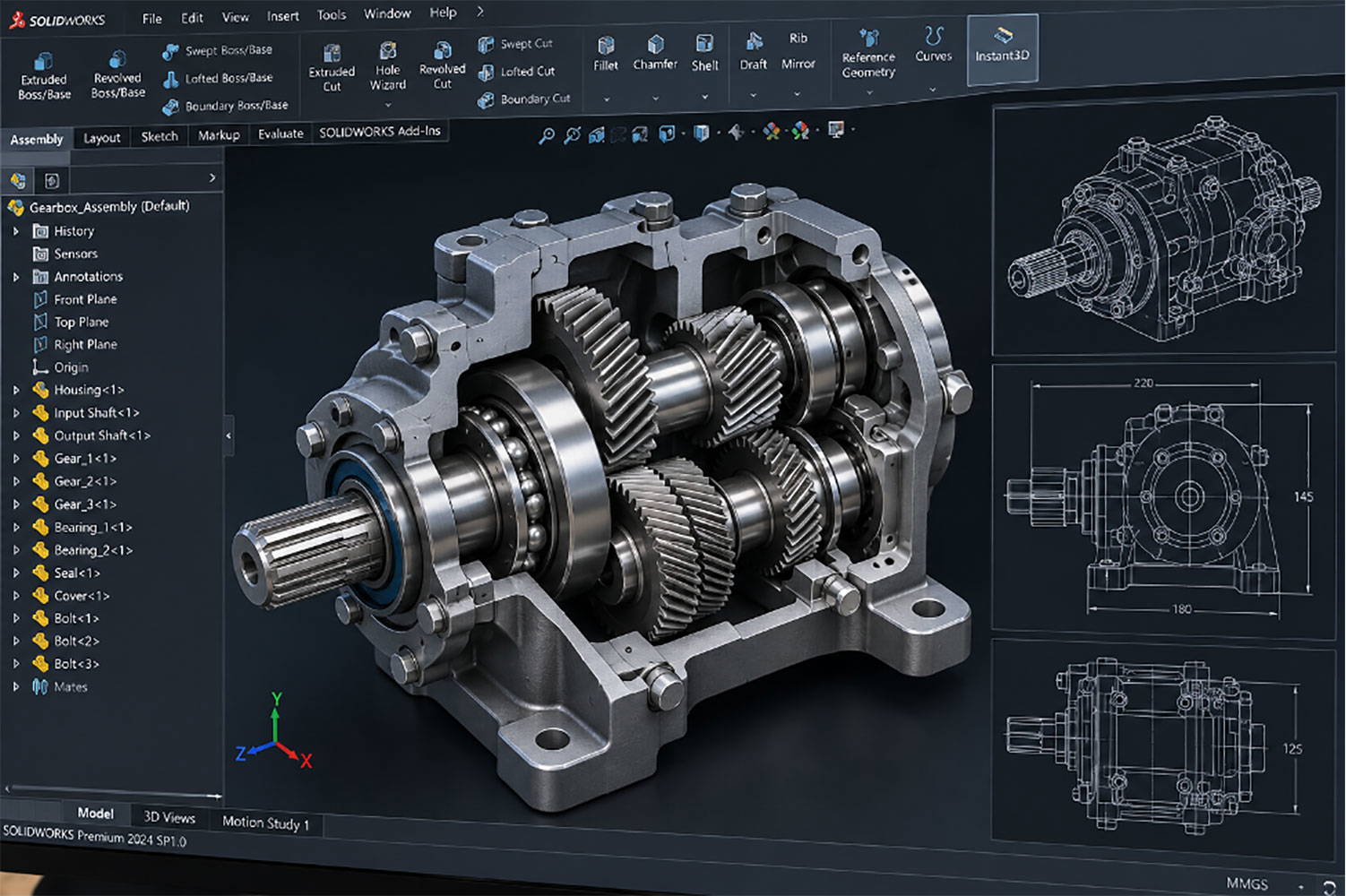
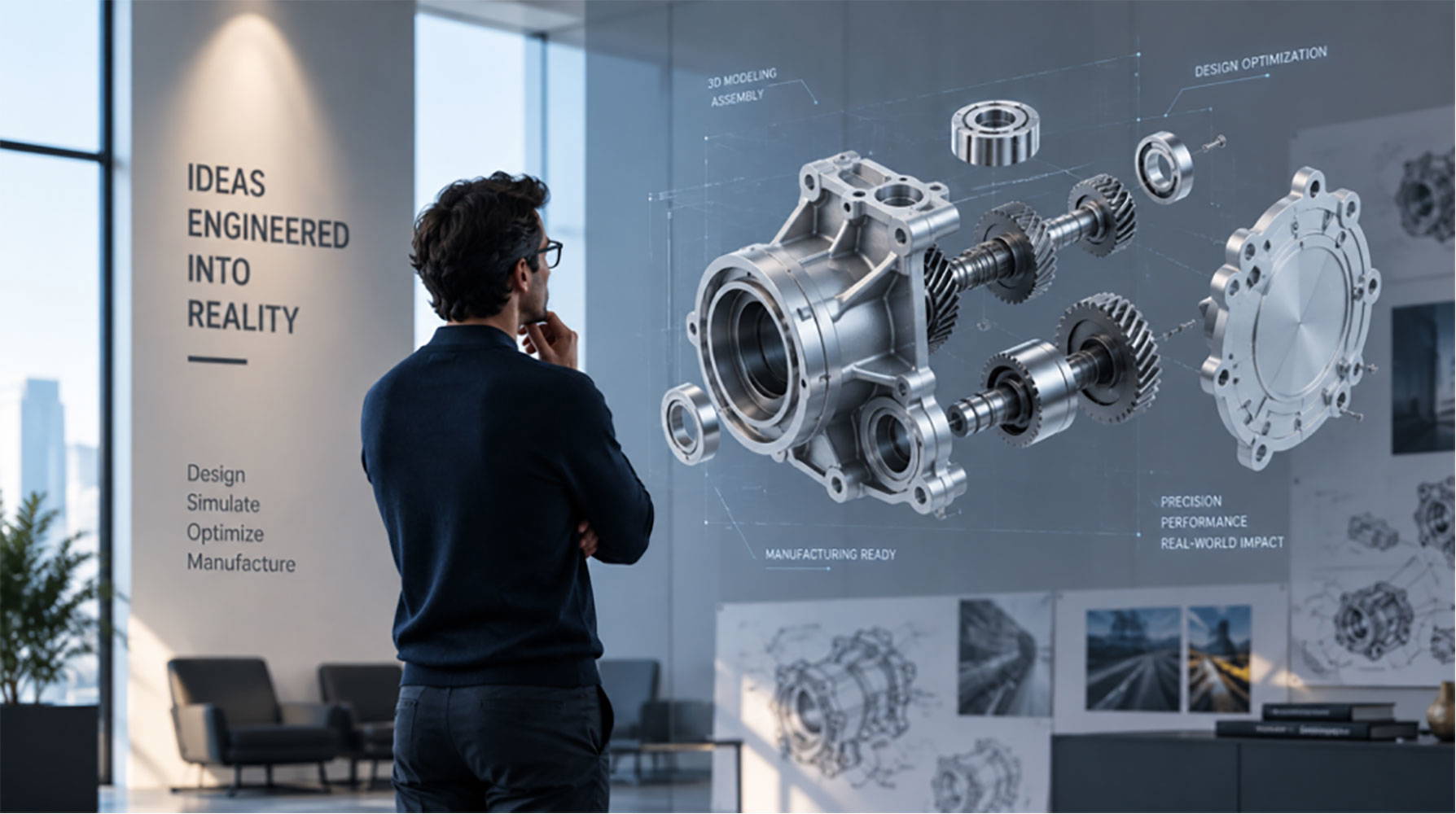
Full parametric 3D modelling of components and assemblies, built with manufacturing method, material, and tolerance requirements considered from the start rather than added on afterward. Models are structured so that later design changes can be made efficiently, without rebuilding geometry from scratch.
Engineering Drawings and Documentation
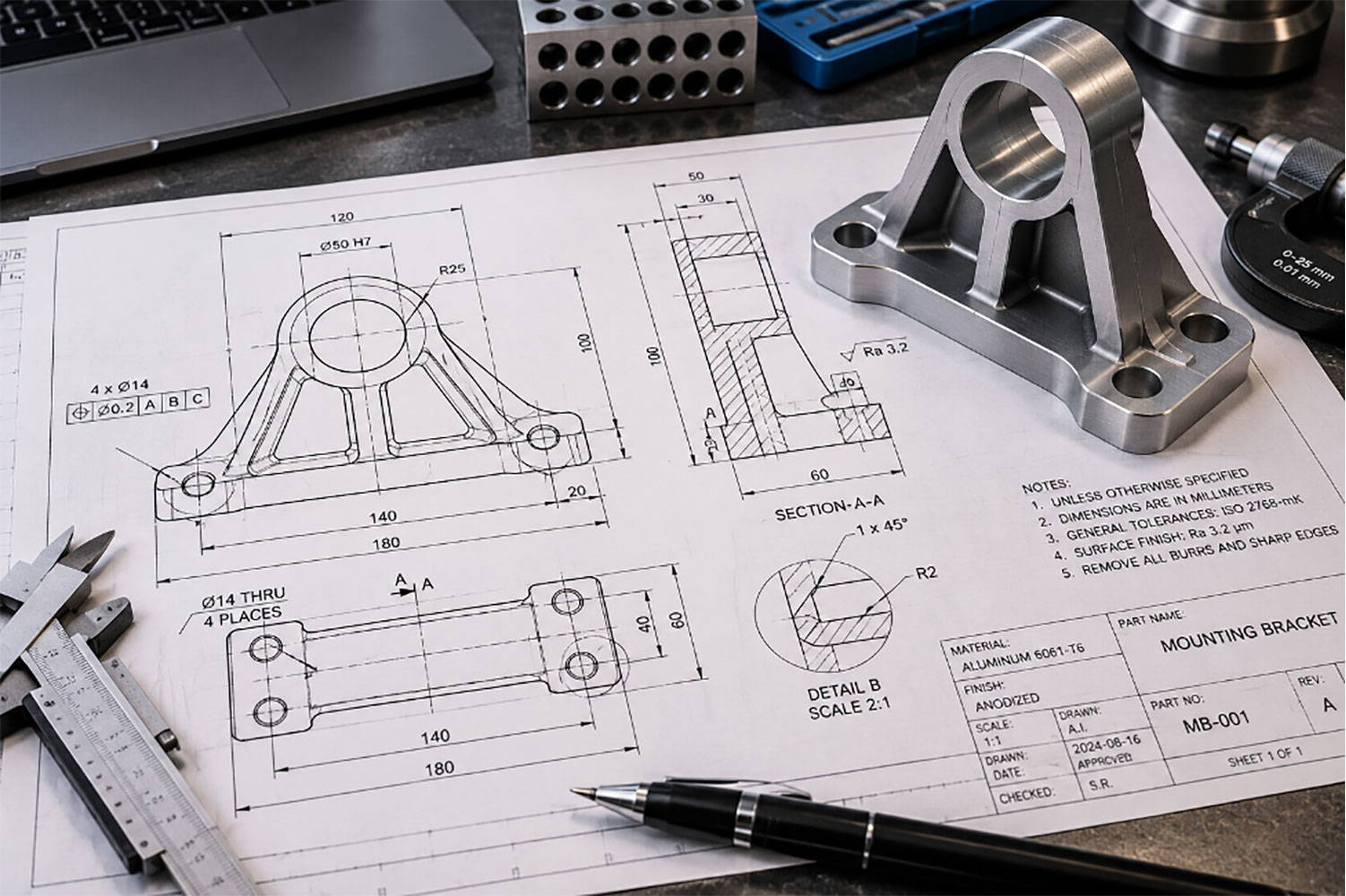
Production-ready 2D drawings with complete dimensioning, tolerancing (including GD&T where required), material callouts, and finish specifications, ready to hand to a manufacturer. We aim for drawings that a machinist or fabricator can work from without needing to call and ask what was intended.
Design for Manufacture and Assembly (DFMA) Review
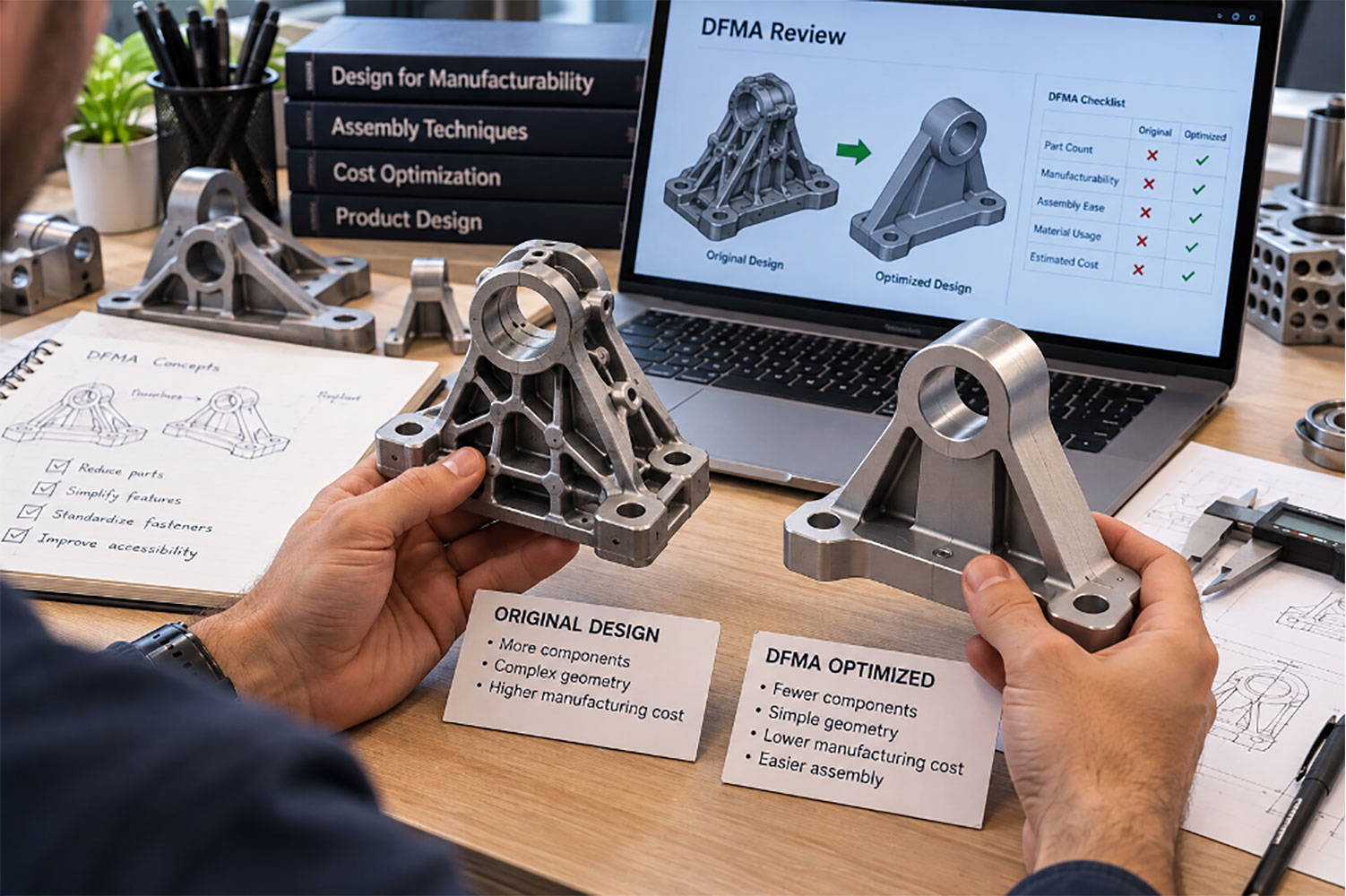
We review designs specifically for manufacturability and assembly efficiency, identifying features that will be expensive, difficult, or unreliable to produce, and proposing practical alternatives. This review can be applied to a new design in progress or to an existing design that has run into production issues.
Reverse Engineering
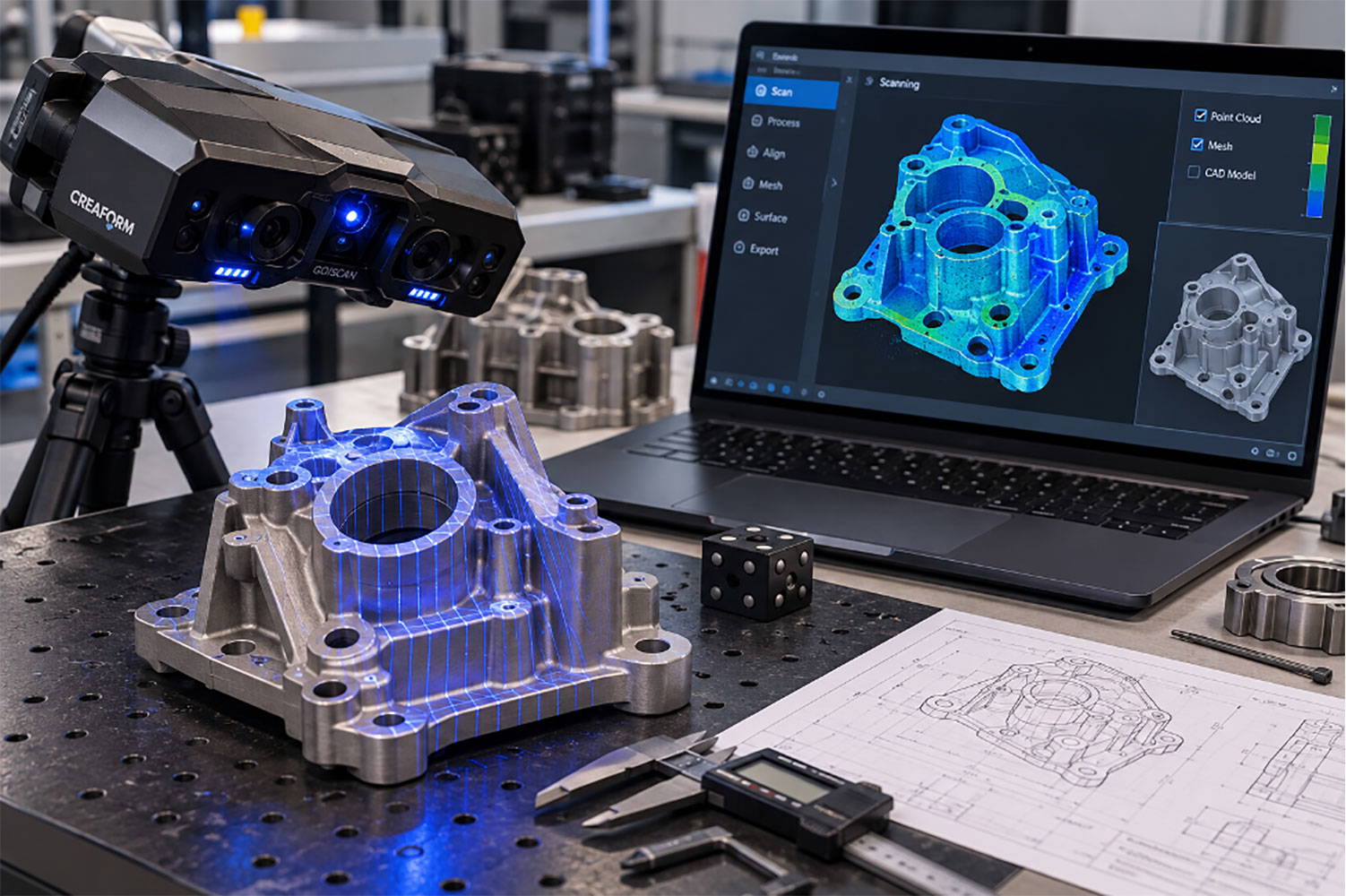
Where a physical part exists but no usable CAD model does, we rebuild accurate, editable 3D models from measurement or scan data, suitable for redesign, replacement part manufacture, or documentation. This is common for legacy equipment, obsolete parts, or components originally designed by a third party.
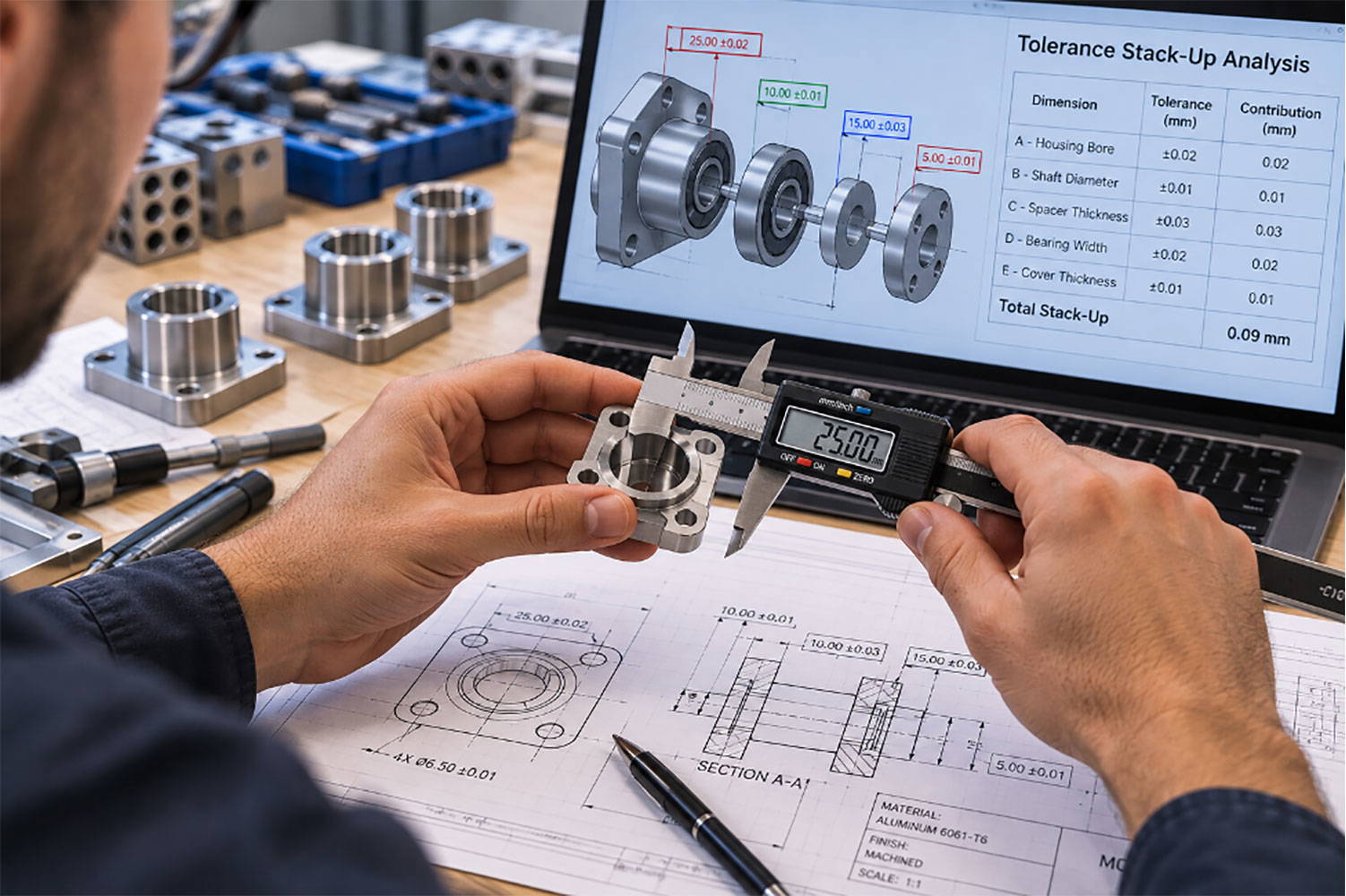
Tolerance Stack-Up Analysis
For assemblies where fit and function depend on multiple toleranced parts coming together correctly, we run stack-up analysis to confirm the design will assemble and function reliably across the full range of manufacturing variation, rather than only under ideal, nominal conditions.
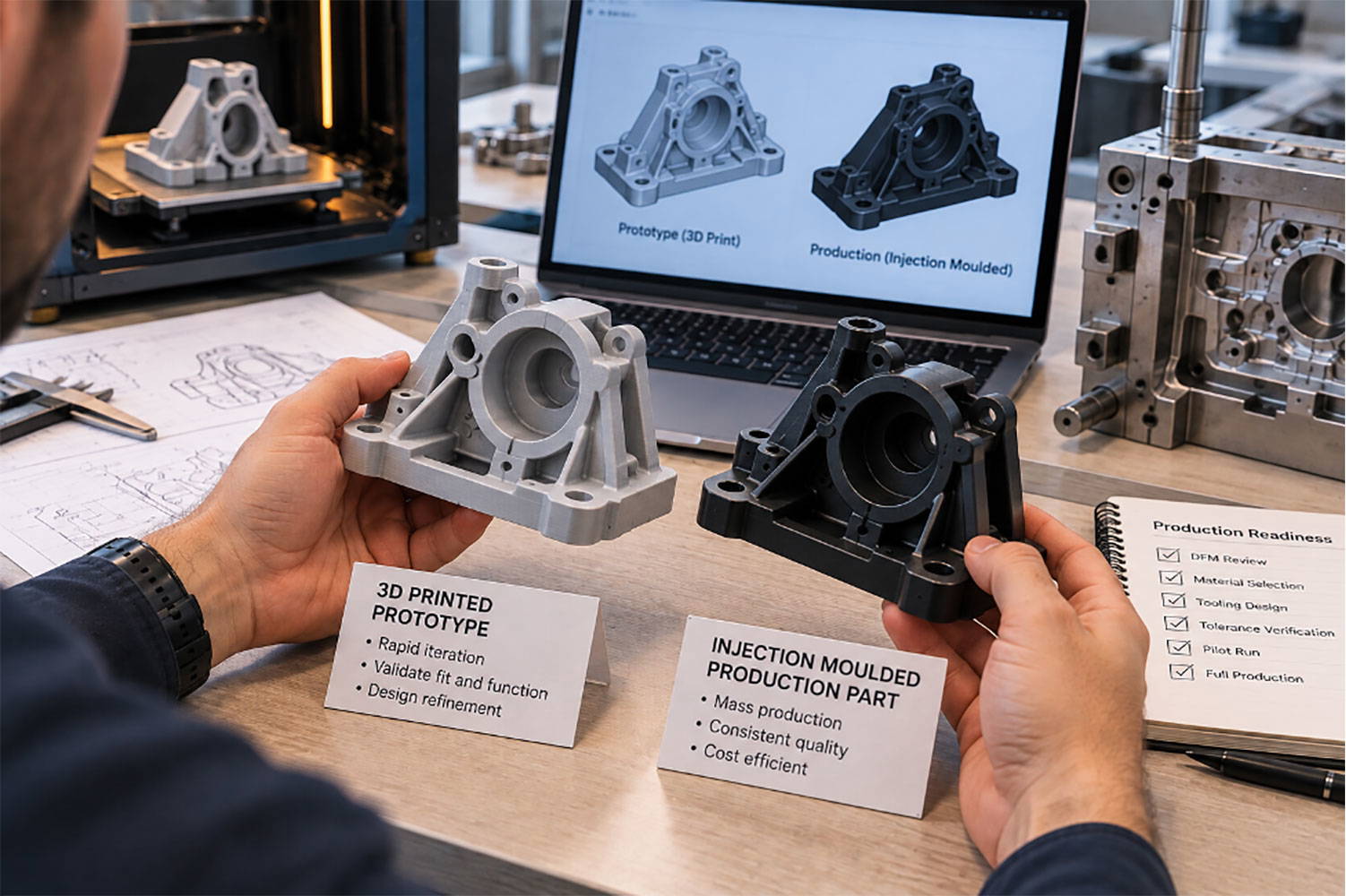
Prototype and Production Transition Support
We support the transition from prototype to production, adjusting designs as needed for the realities of higher-volume manufacturing processes, and working directly with your chosen manufacturers where useful. This often includes revisiting decisions made for a one-off prototype that do not scale sensibly to volume production.
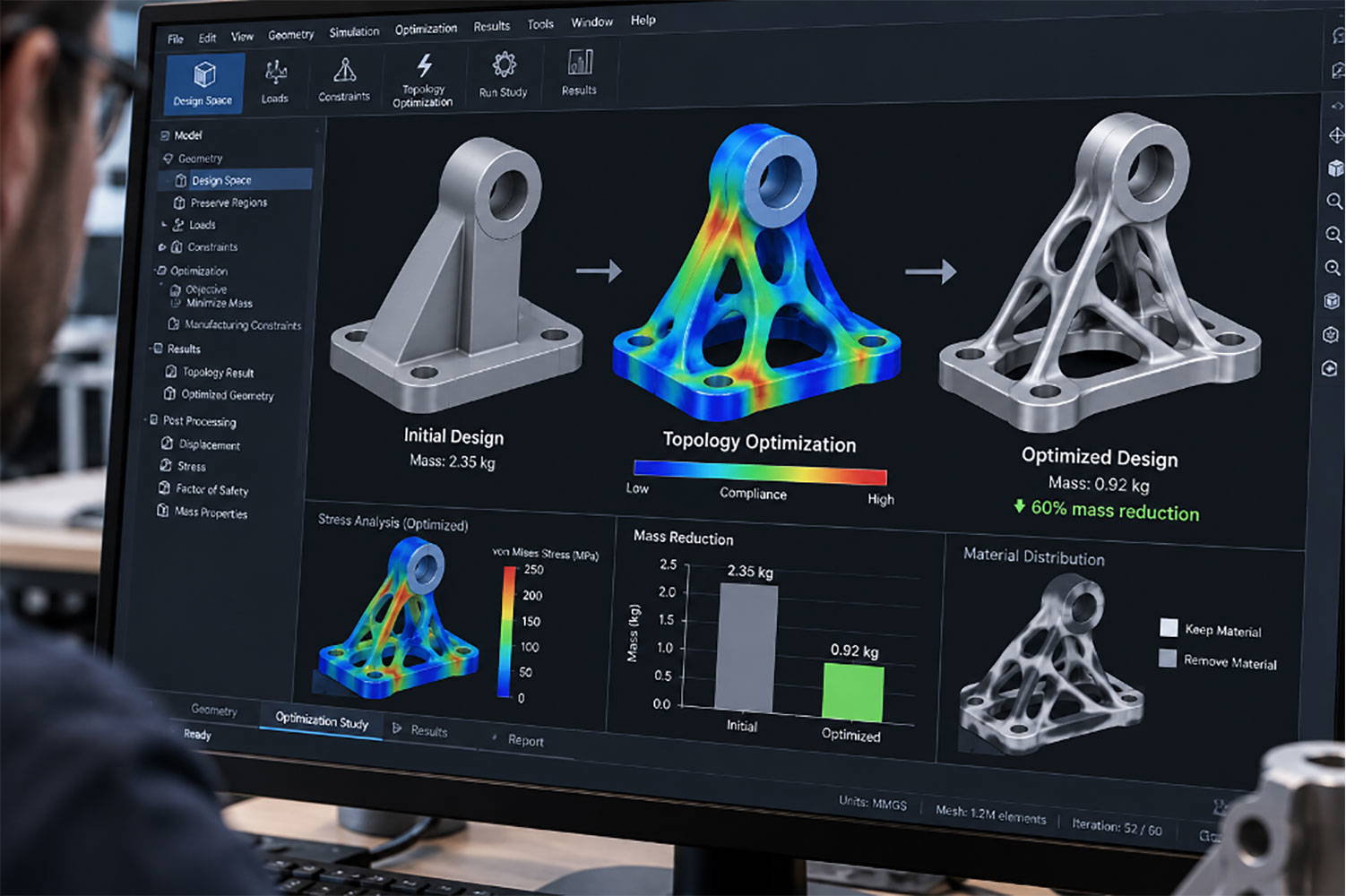
Design Optimisation
Working alongside our simulation capability, we refine geometry to reduce weight, material cost, or part count while maintaining or improving structural performance. Small geometric changes, informed by real analysis, can add up to meaningful cost savings at production scale.
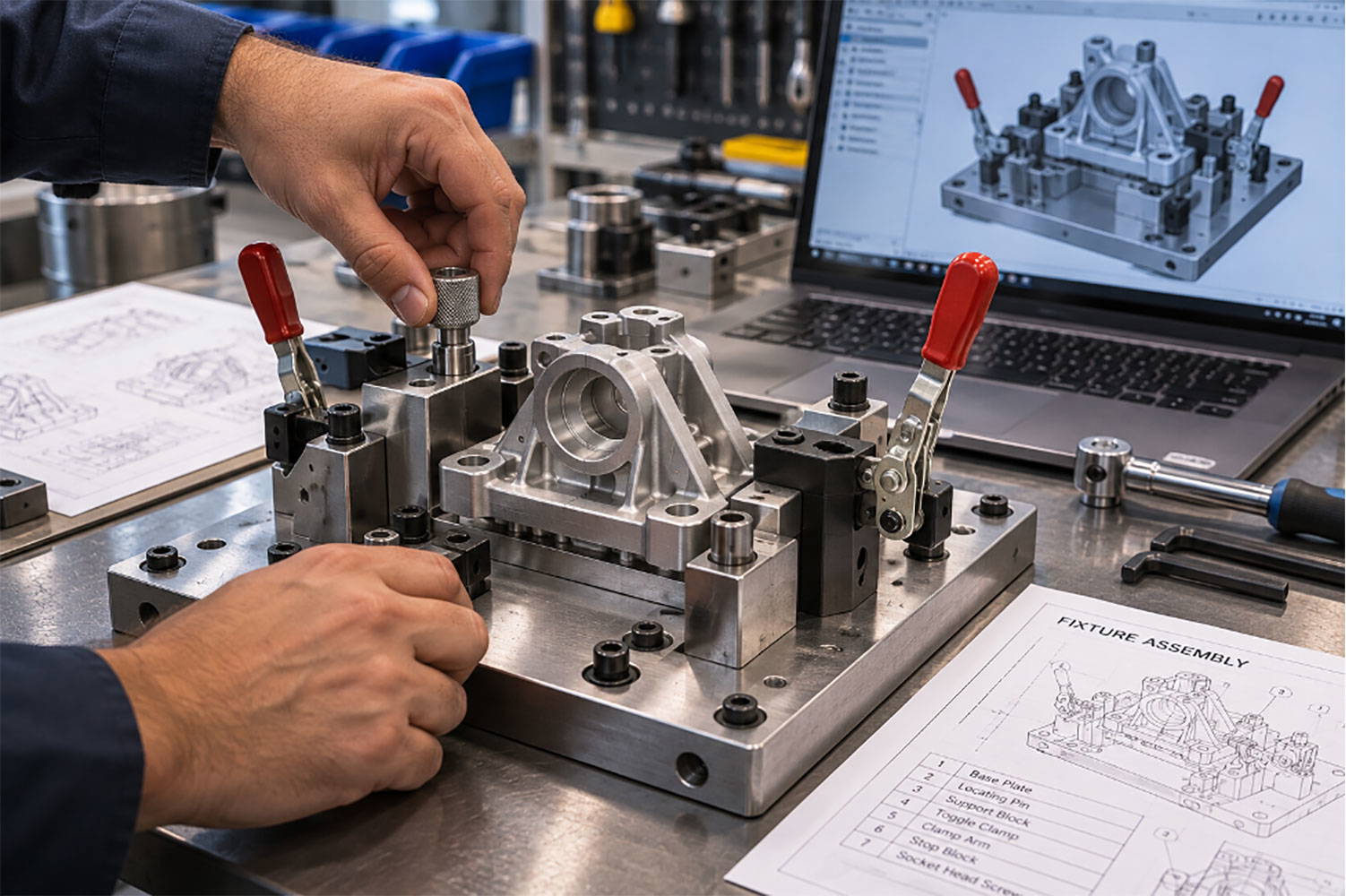
Fixture and Jig Design
Purpose-built tooling to hold, locate, or guide parts during manufacture, inspection, or assembly, designed for the accuracy and repeatability your production process actually requires.
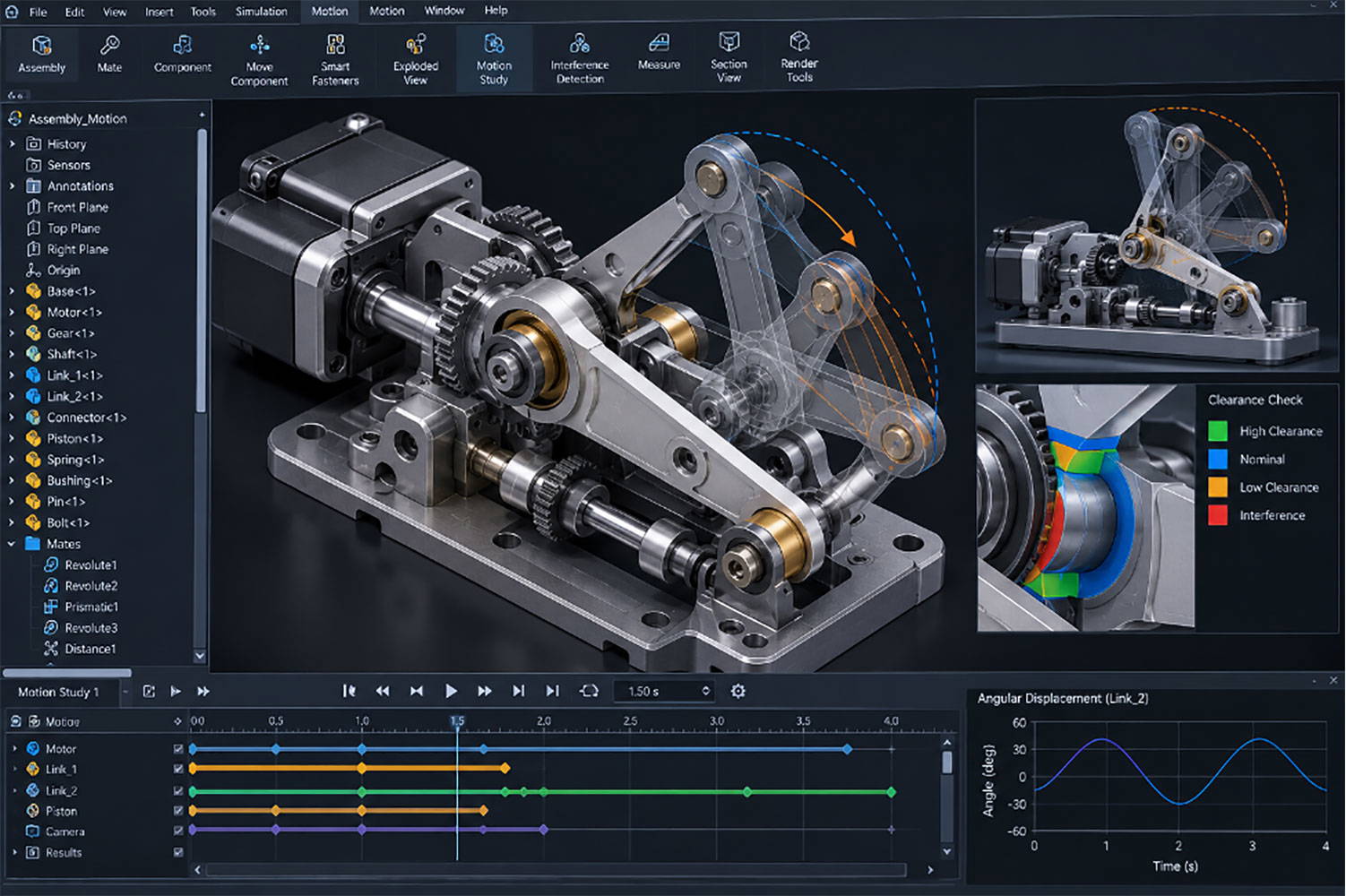
Assembly Modelling and Motion Studies
For mechanisms and assemblies with moving parts, we build full assembly models and check for interference, range of motion, and clearance issues before anything is manufactured, avoiding costly late-stage discoveries.
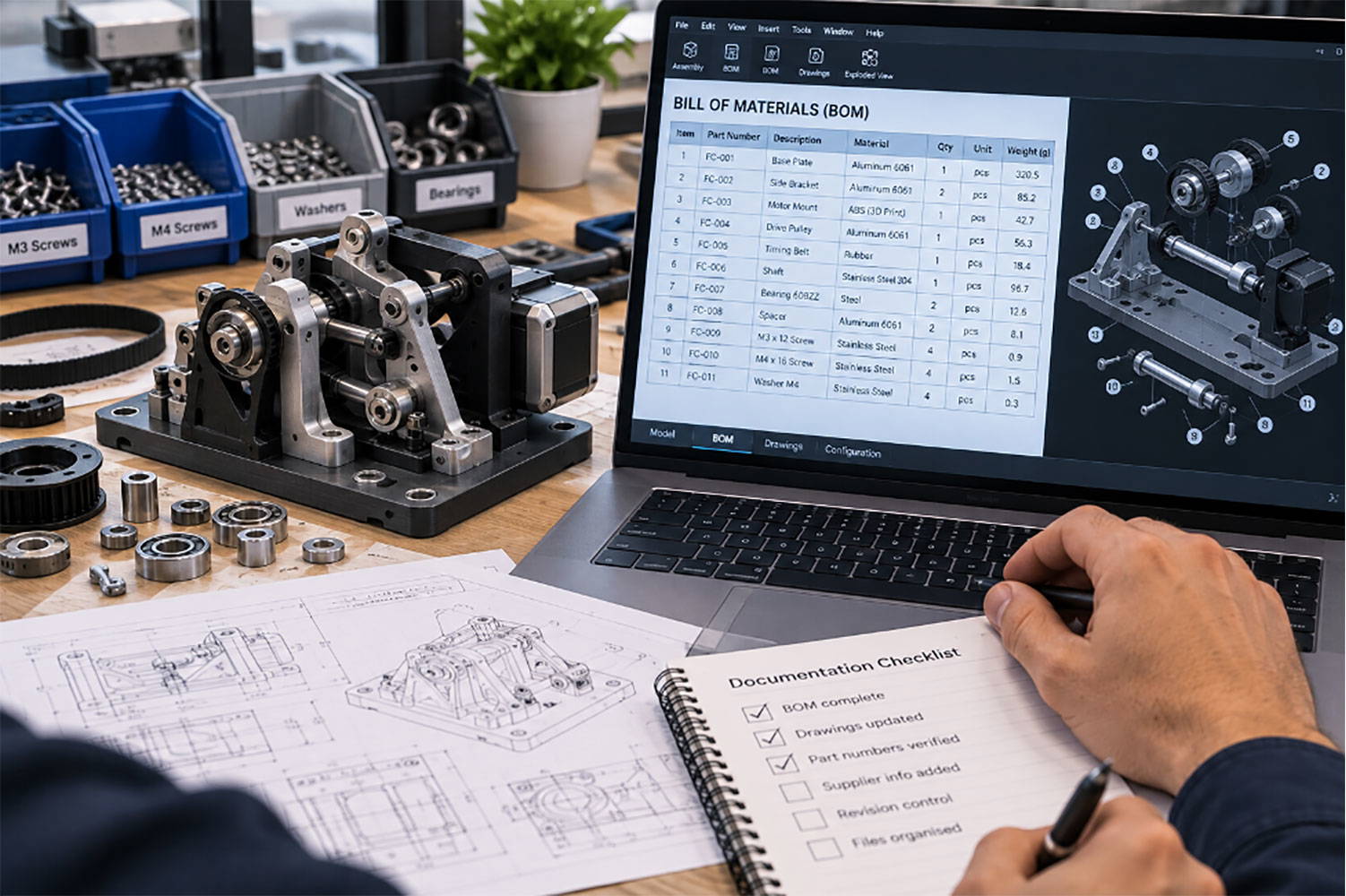
Bill of Materials and Documentation Management
Structured BOMs and design documentation that stay consistent with the CAD model as a design evolves, reducing the risk of manufacturing from an outdated revision.
Our Process
Projects typically begin with a discovery conversation, where we understand the functional requirement, constraints, target manufacturing method, and any existing design work already in place. From there we move into concept development, presenting design directions for review before committing to detailed modelling.
Detailed design follows, including full 3D modelling and drawing production, with DFMA review built into the process rather than left until the end. Once a design is finalised, we support the handover to manufacturing, remaining available to answer supplier questions or make adjustments as production tooling or processes are finalised.
Frequently Asked Questions
What CAD software do you work in?
We work across all major mechanical CAD platforms and can typically match your existing design environment, or advise on the best fit if you are starting a new project without an established workflow.
Can you take over a design that was started by someone else?
Yes, this is a common starting point for us. We review the existing model and drawings, identify any gaps or issues, and continue development from there, or rebuild sections where necessary.
Do you only do 3D modelling, or do you handle manufacturing drawings as well?
Both. A 3D model on its own is rarely enough to manufacture from reliably. We produce full drawing packages with the dimensioning and tolerancing information a manufacturer actually needs.
How do you handle confidentiality for new product designs?
We work under NDA as standard practice for product development work and treat all client design data as confidential by default, regardless of whether a formal agreement has been signed at the point work begins.
Can you design for a specific manufacturing process we already use?
Yes. Tell us the manufacturing route (injection moulding, sheet metal, CNC machining, casting, additive manufacturing, or fabrication) and we design with that process’s specific constraints and cost drivers in mind from the outset.
What if our project only needs a small design change, not a full new design?
That is a normal scope for us. We regularly take on smaller, focused design tasks: a single component redesign, a fix to an existing assembly, or an update to accommodate a new part or supplier.
Do you get involved in choosing materials, or only in modelling geometry?
Material selection is part of the design process, not separate from it, so yes, we advise on material choice based on function, cost, manufacturing method, and environment, and factor that into the geometry from the start.
Can you support supplier selection or manufacturing sourcing?
We are primarily a design service, but we regularly work alongside a client’s chosen suppliers and manufacturers, and can advise on design implications of different sourcing routes if that is useful during the process.
How do you handle design changes after a drawing package has already been issued?
Revisions are tracked clearly through formal drawing revision control, so it is always obvious which version is current and what changed between revisions, avoiding confusion on the shop floor.
Do you provide 3D printed or physical prototypes yourselves?
Our core service is design, not fabrication, but we regularly prepare models specifically for 3D printing or CNC prototyping and can coordinate with prototyping partners as part of a project if needed.
Computational Fluid Dynamics (CFD) Services
Introduction
Façade Creations’ CFD practice deals with a part of engineering that is genuinely difficult to see directly: how fluids and gases move, how heat is transferred through a system, and how pressure and turbulence develop as a result. Where FEA answers questions about solid structures under load, CFD answers questions about flow, whether that is air moving around and through a piece of equipment, coolant circulating through a system, or heat being carried away from a component that generates it.
The value of CFD is that it turns something invisible into something you can actually design against. Instead of guessing at airflow patterns or building a physical prototype purely to find out where a hot spot forms, we simulate the system numerically and show you exactly what is happening, and why, so design changes can be made with confidence rather than trial and error.
Flow and thermal problems are often counter-intuitive. A cooling fan added in the wrong place can make thermal performance worse, not better. A duct redesign that looks sensible on paper can create a dead zone that starves part of a system of airflow entirely. CFD replaces intuition with an actual picture of the physics, which tends to save both engineering time and the cost of a redesign discovered too late.
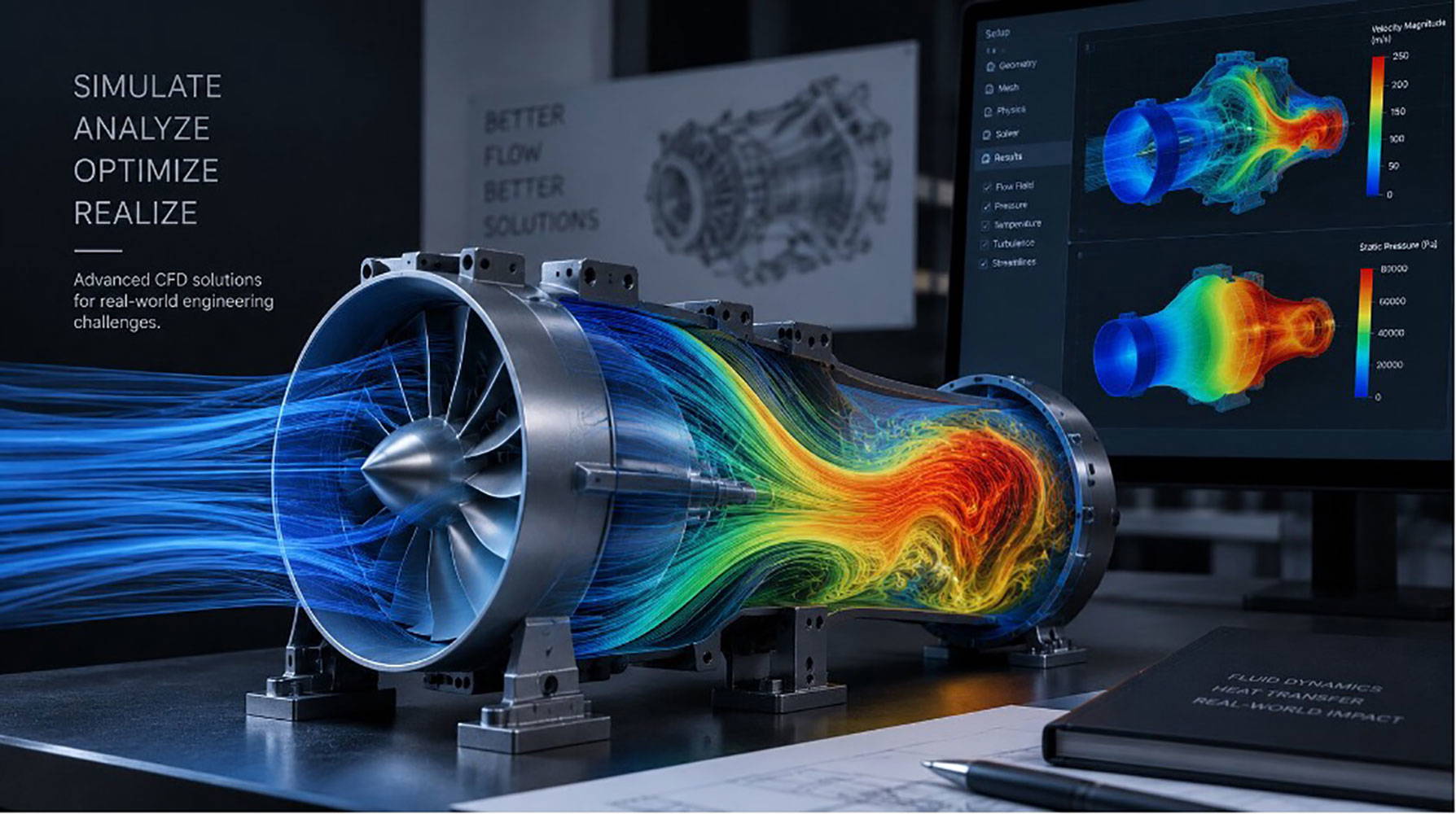
We approach every CFD project the same way we approach FEA: start with a specific engineering question, build a model rigorous enough to answer it properly, and deliver a result that leads directly to a design decision, not just a report that sits on a shelf.
Industries We Serve
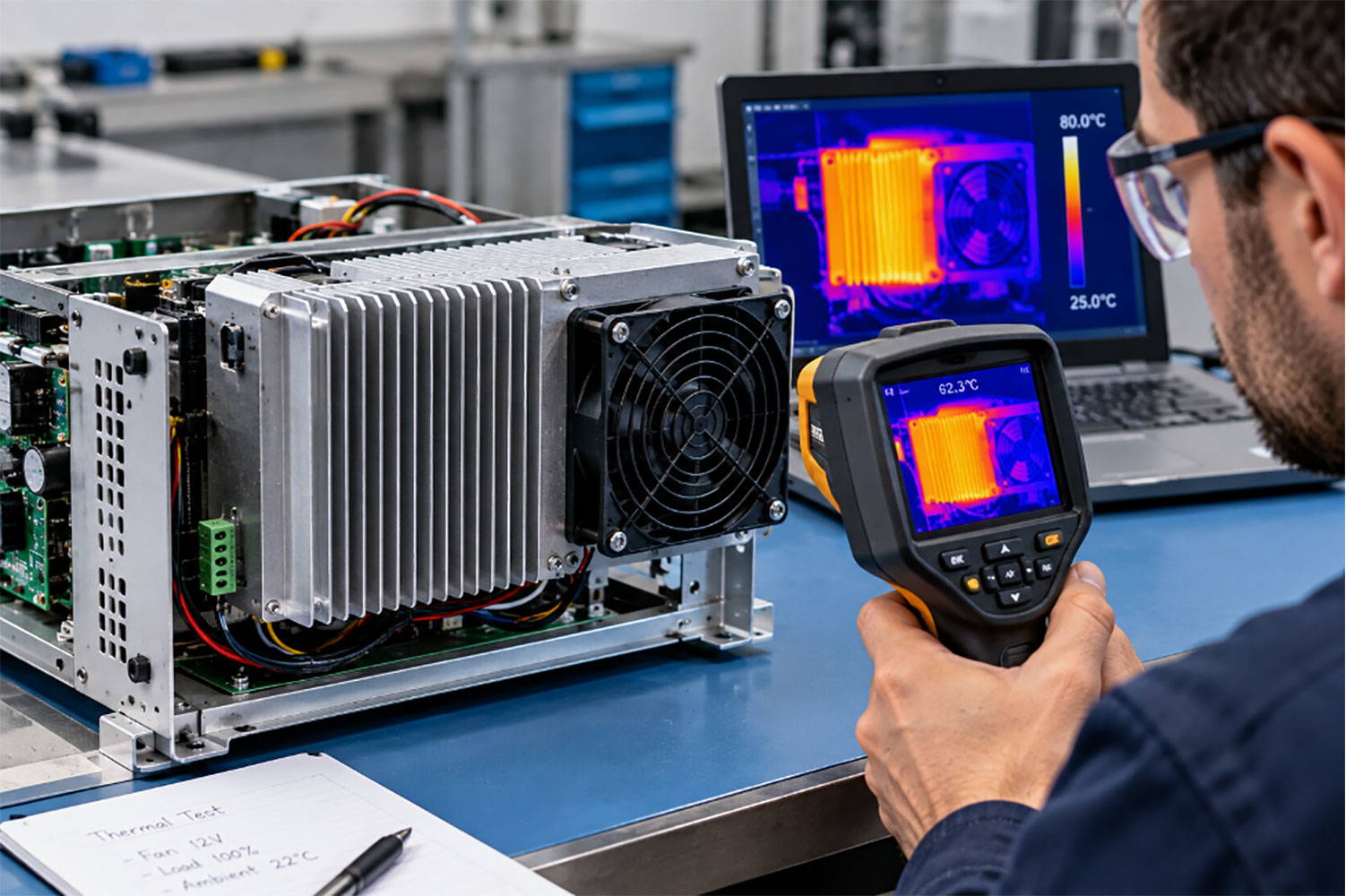
Thermal management of equipment and electronics
Enclosures, cooling systems, and heat sinks for products that generate heat in operation.
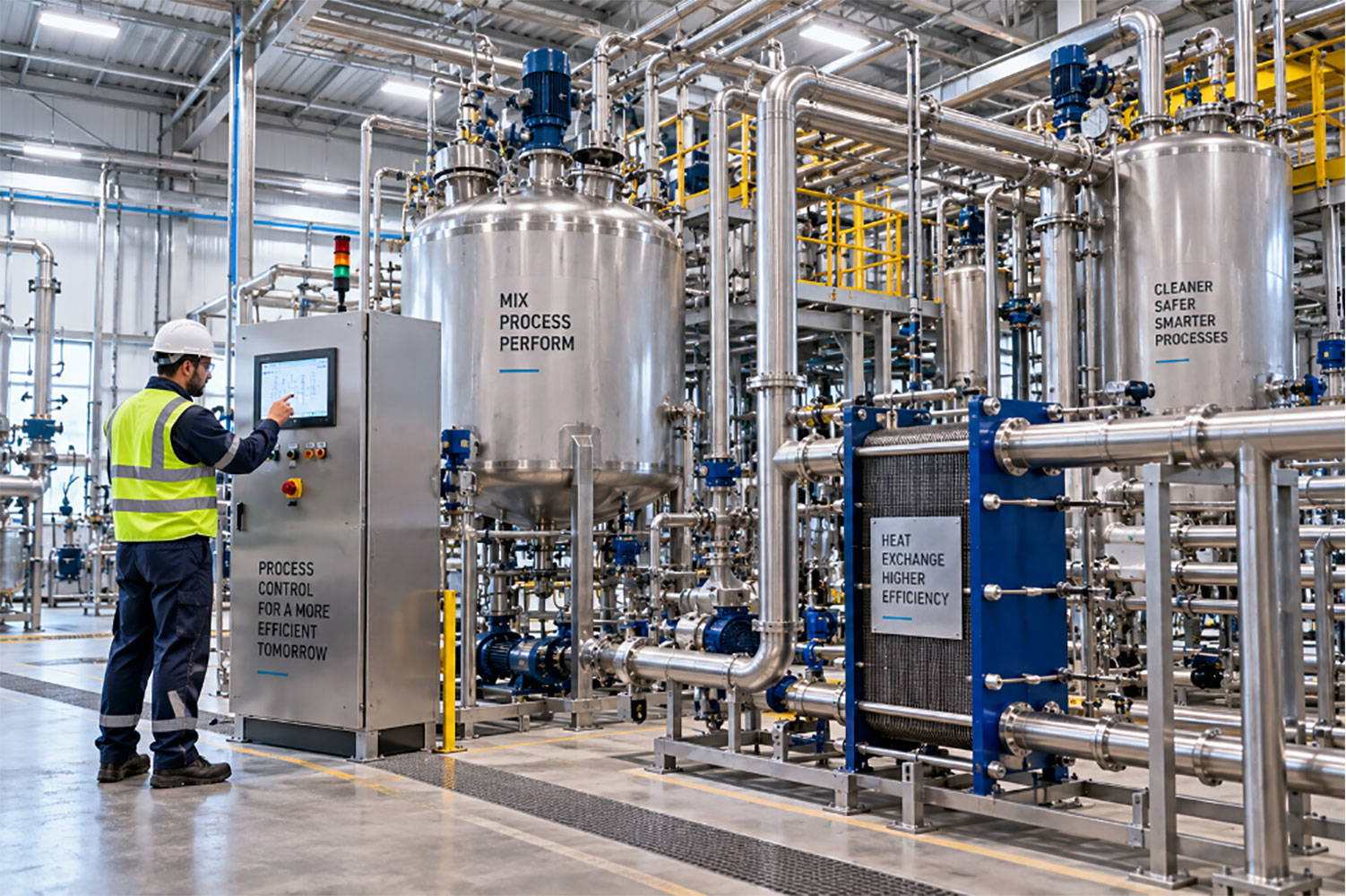
Industrial process equipment
Systems involving fluid flow, mixing, or heat exchange in manufacturing and processing environments.
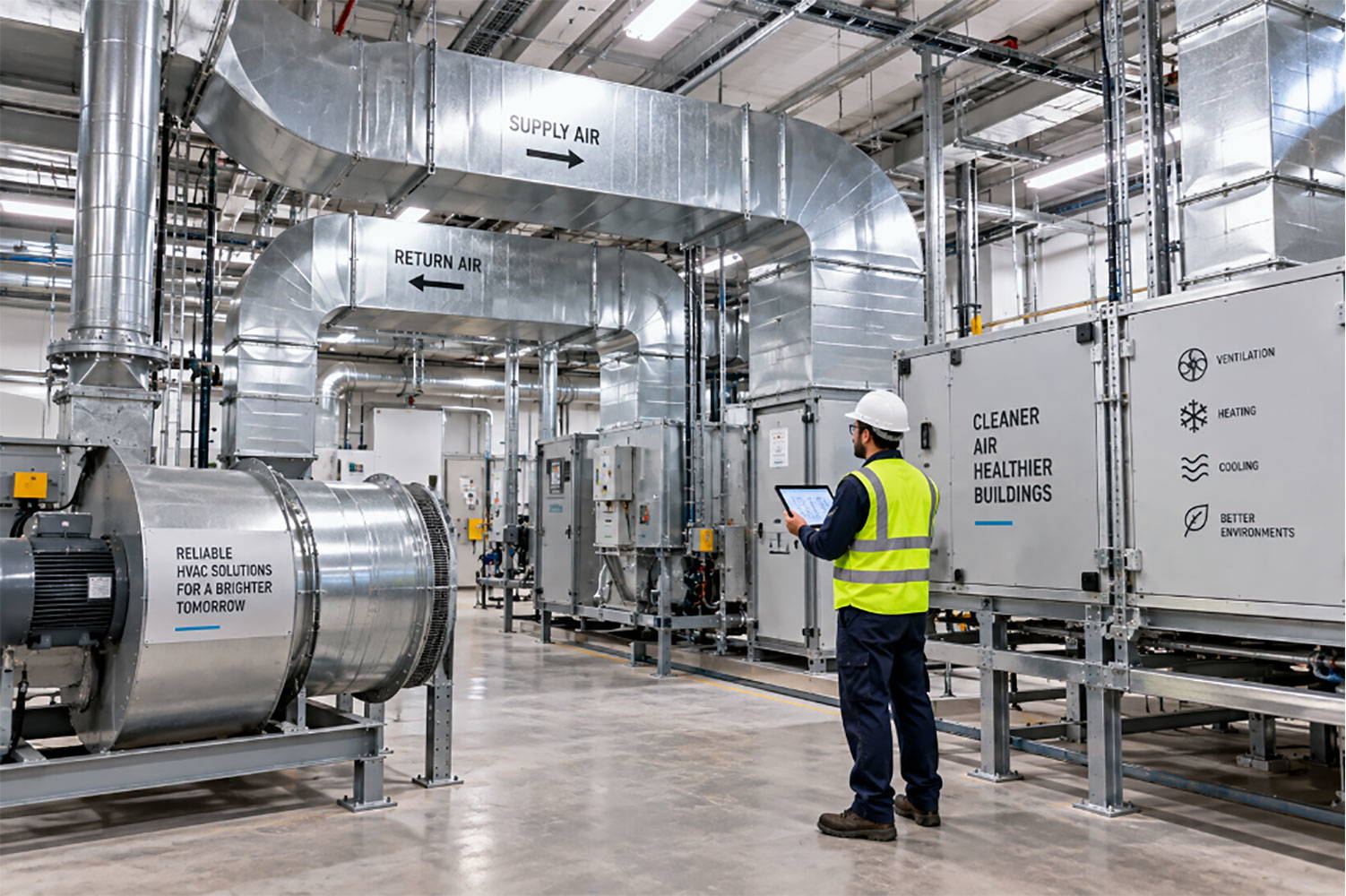
HVAC and ventilation systems
Airflow performance and efficiency within mechanical and building service systems.
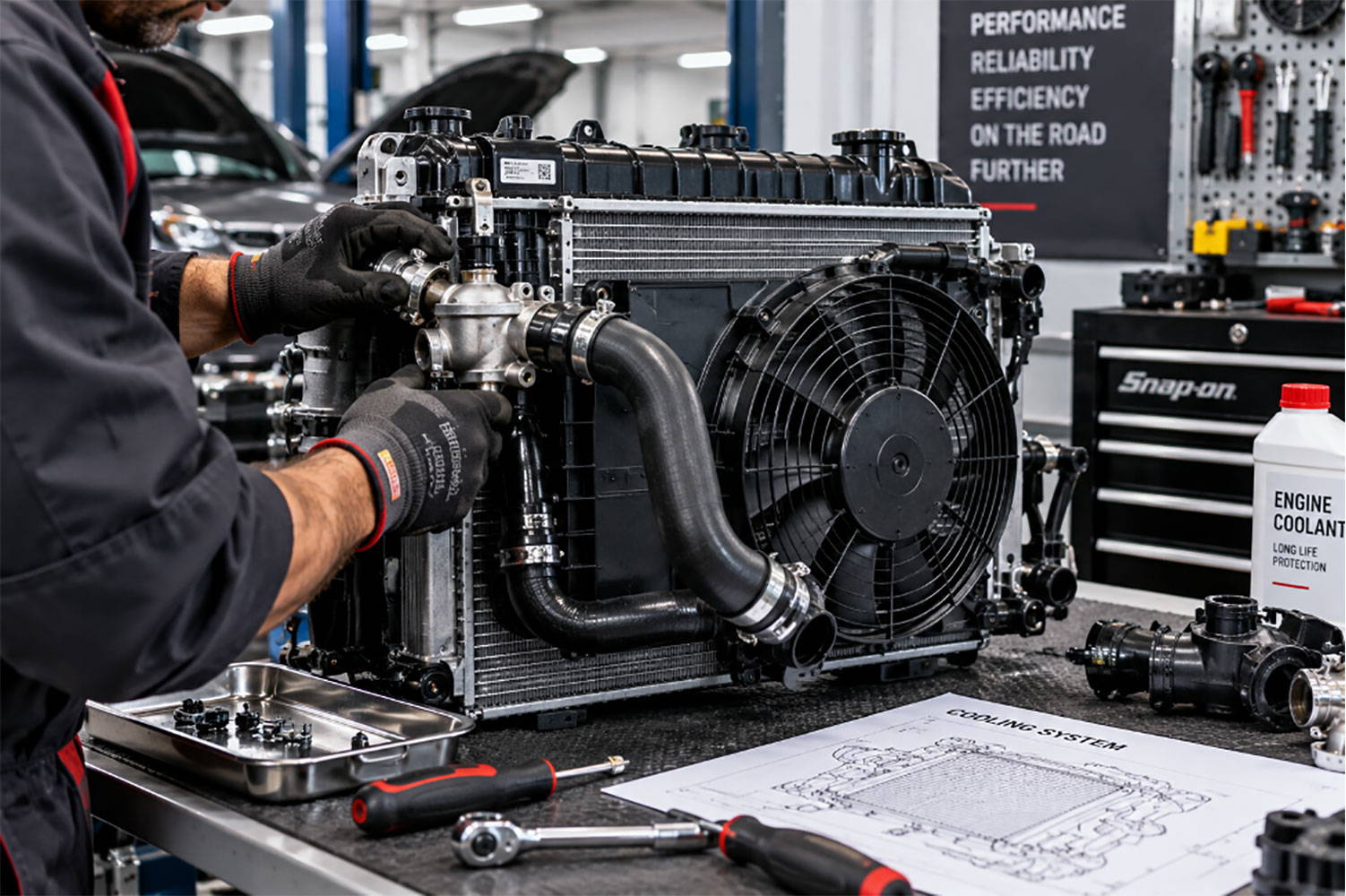
Automotive and mechanical components
Cooling circuits and aerodynamic performance for vehicles and mechanical systems.
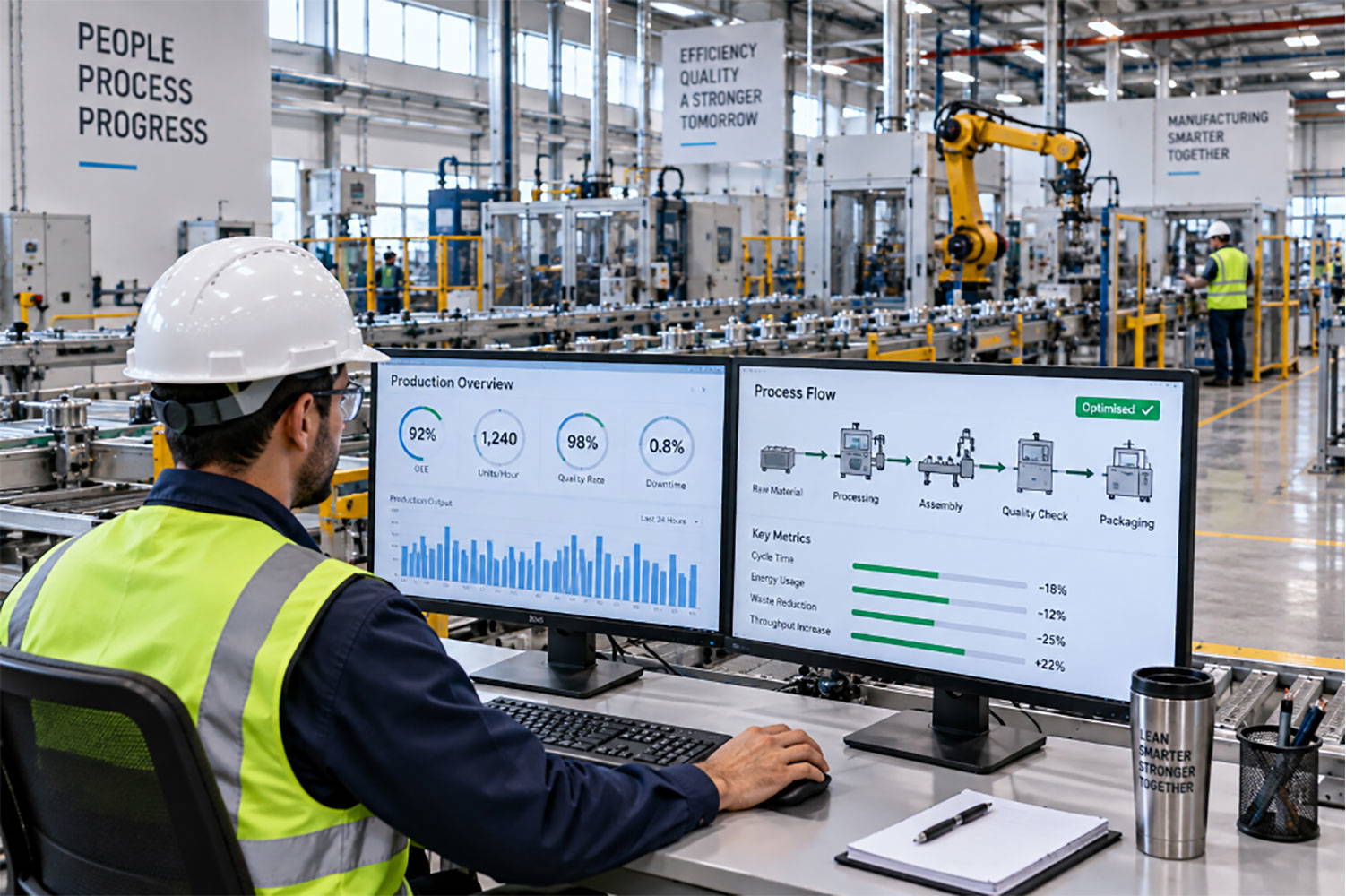
Manufacturing and process optimisation
Flow-related inefficiencies in existing systems that are underperforming or behaving unpredictably.
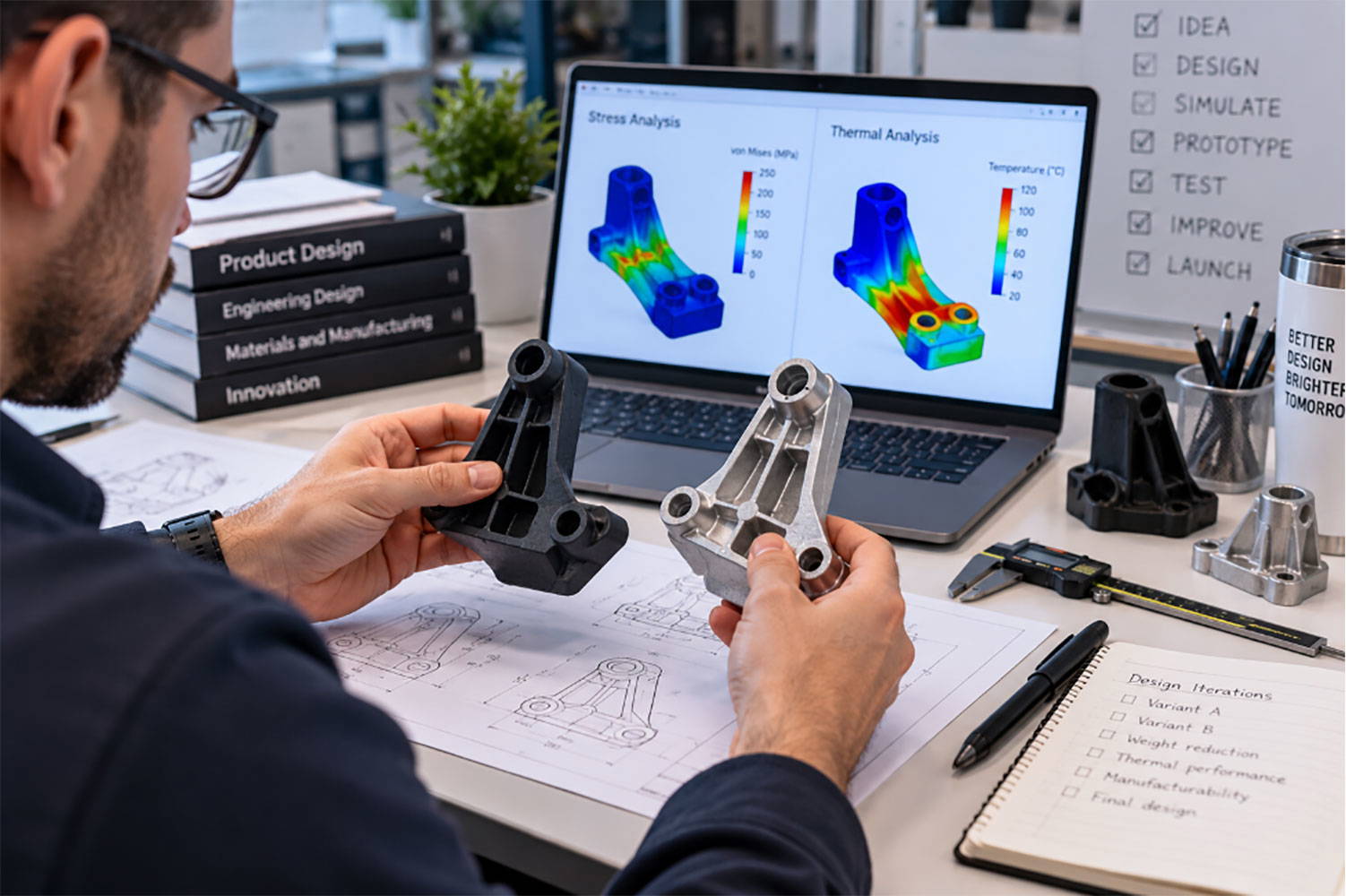
Product development
Early-stage evaluation of design alternatives before physical testing begins.
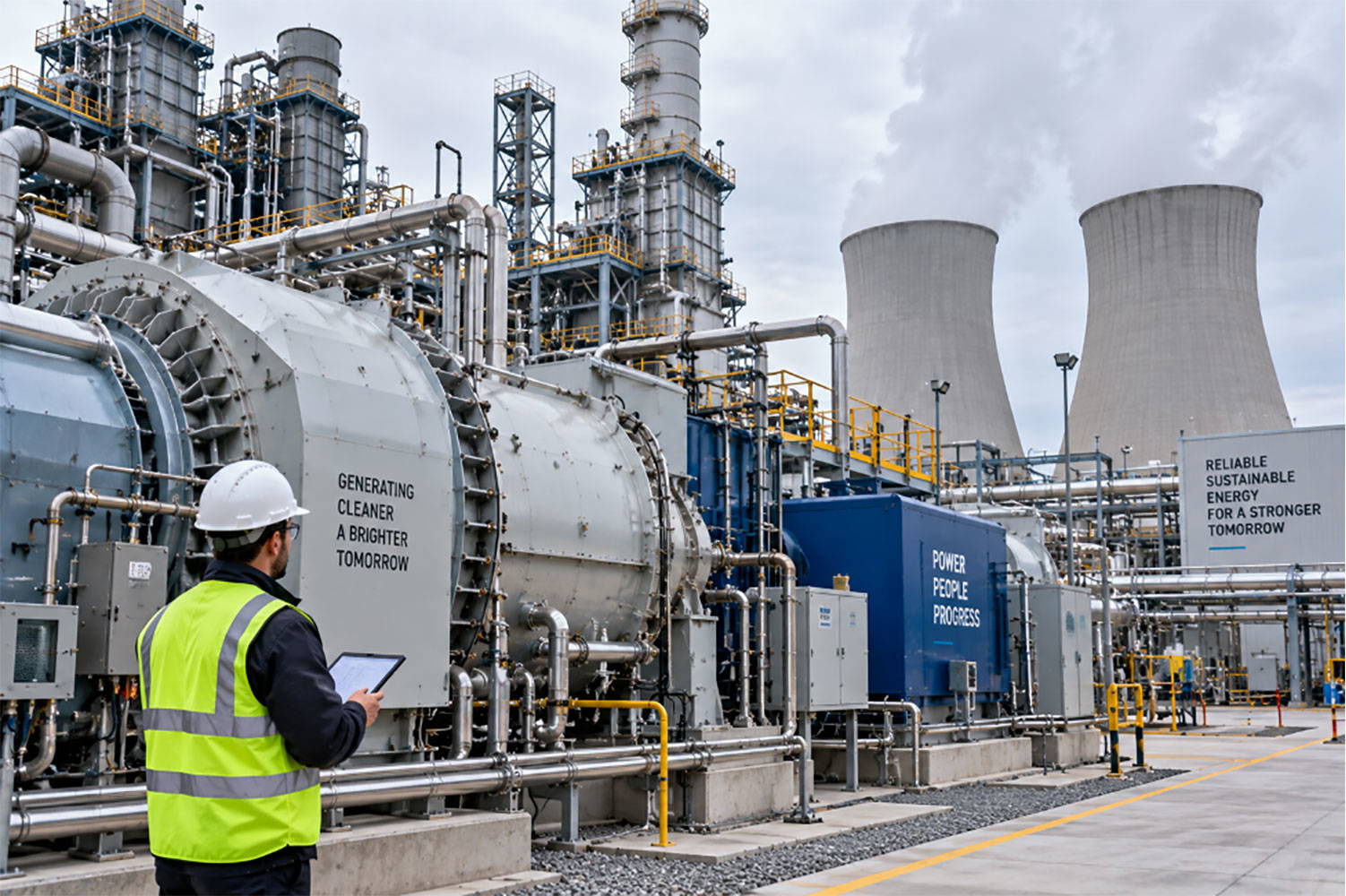
Energy and power generation equipment
Thermal and flow performance of systems operating under demanding, continuous duty conditions.

Data centre and electronics cooling
Airflow and thermal design for densely packed, heat-generating equipment.
Our CFD Services
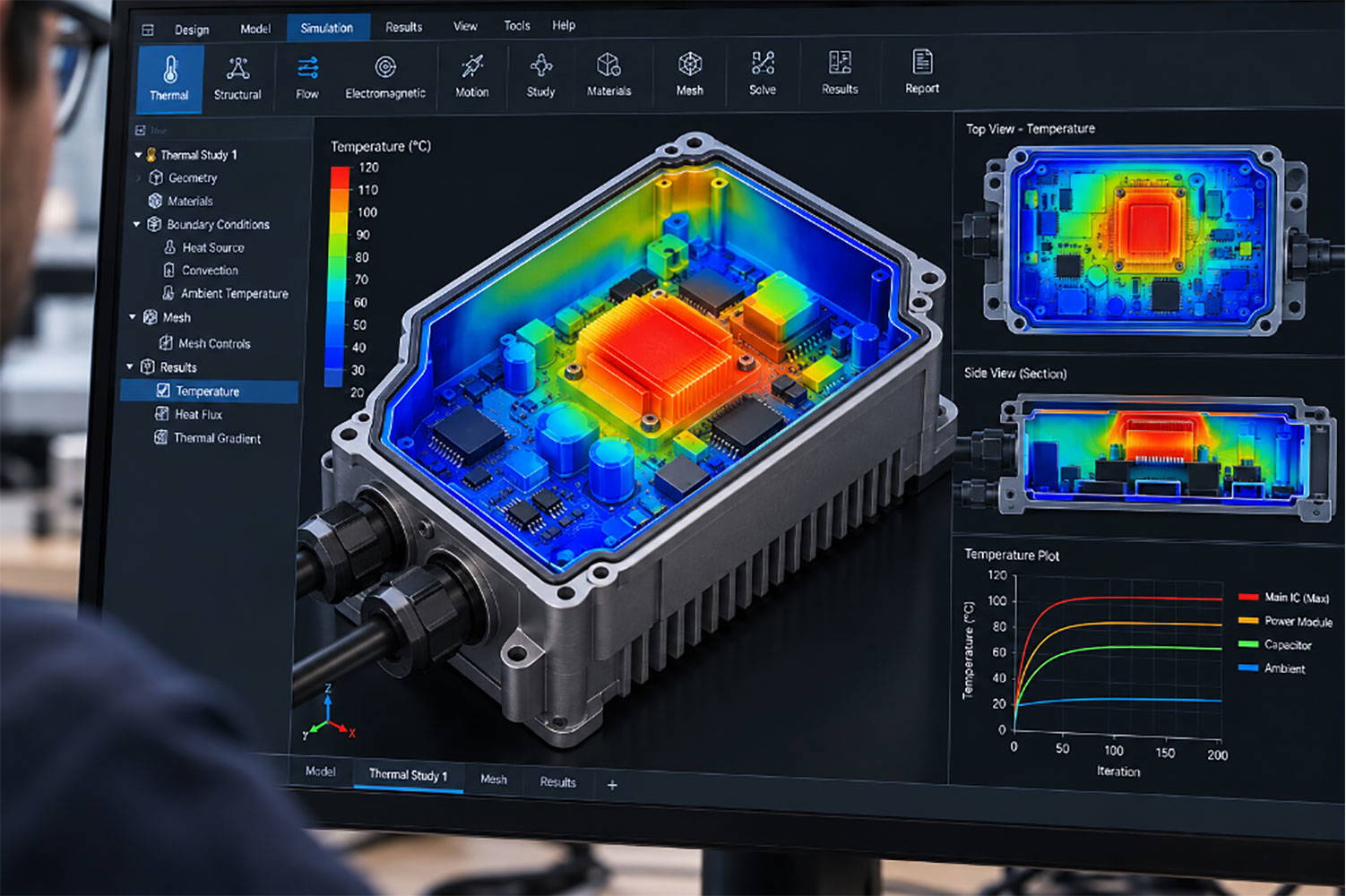
Thermal Management Simulation
We model how heat moves through and away from a system, identifying hot spots, evaluating cooling strategies, and confirming a design will stay within safe operating temperatures under real duty cycles. This is one of our most requested services, particularly for electronics and equipment enclosures where overheating directly threatens reliability.
Internal and External Flow Analysis
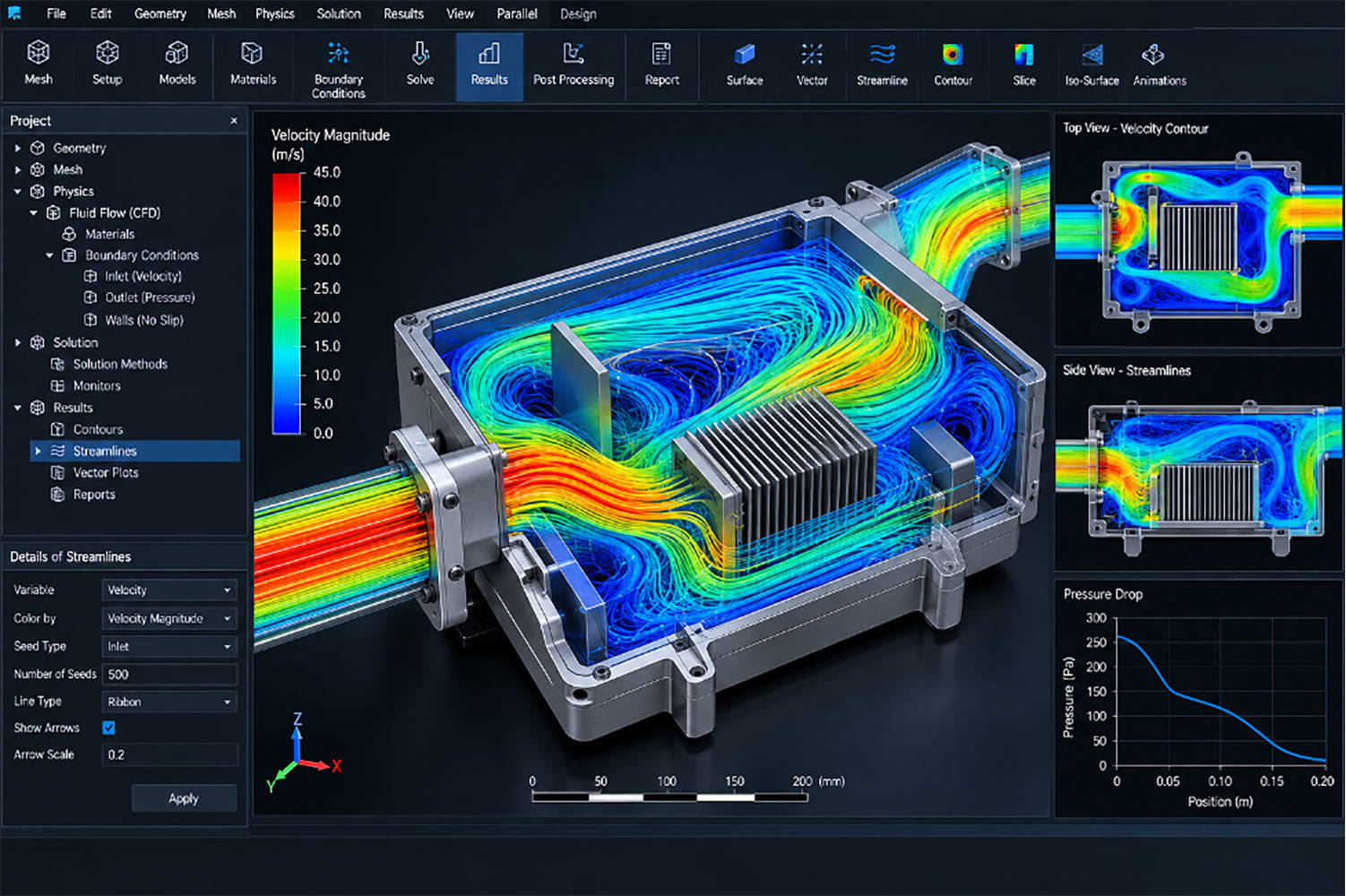
Simulation of flow through ducts, pipework, and enclosures, or around external surfaces, to understand pressure drop, flow distribution, and areas of unwanted turbulence or recirculation. This helps identify where a system is wasting energy or underperforming due to poor flow geometry.
Heat Exchanger and Cooling System Evaluation
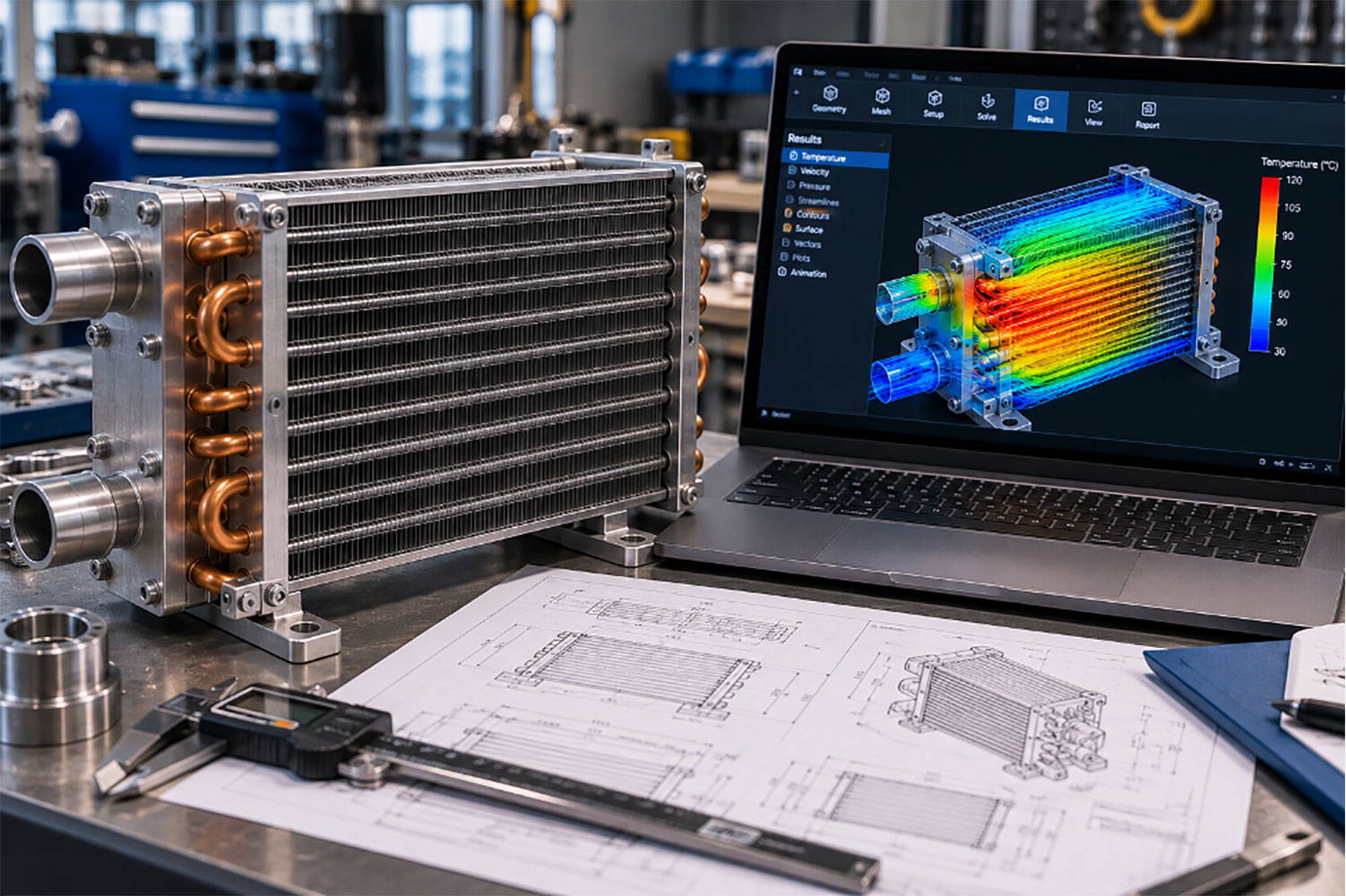
Detailed simulation of heat exchange components and cooling circuits, used to compare design options and improve thermal performance without relying purely on physical prototypes. We can evaluate multiple configurations quickly, narrowing down to the strongest candidates before physical testing.
Multiphase and Complex Flow Modelling
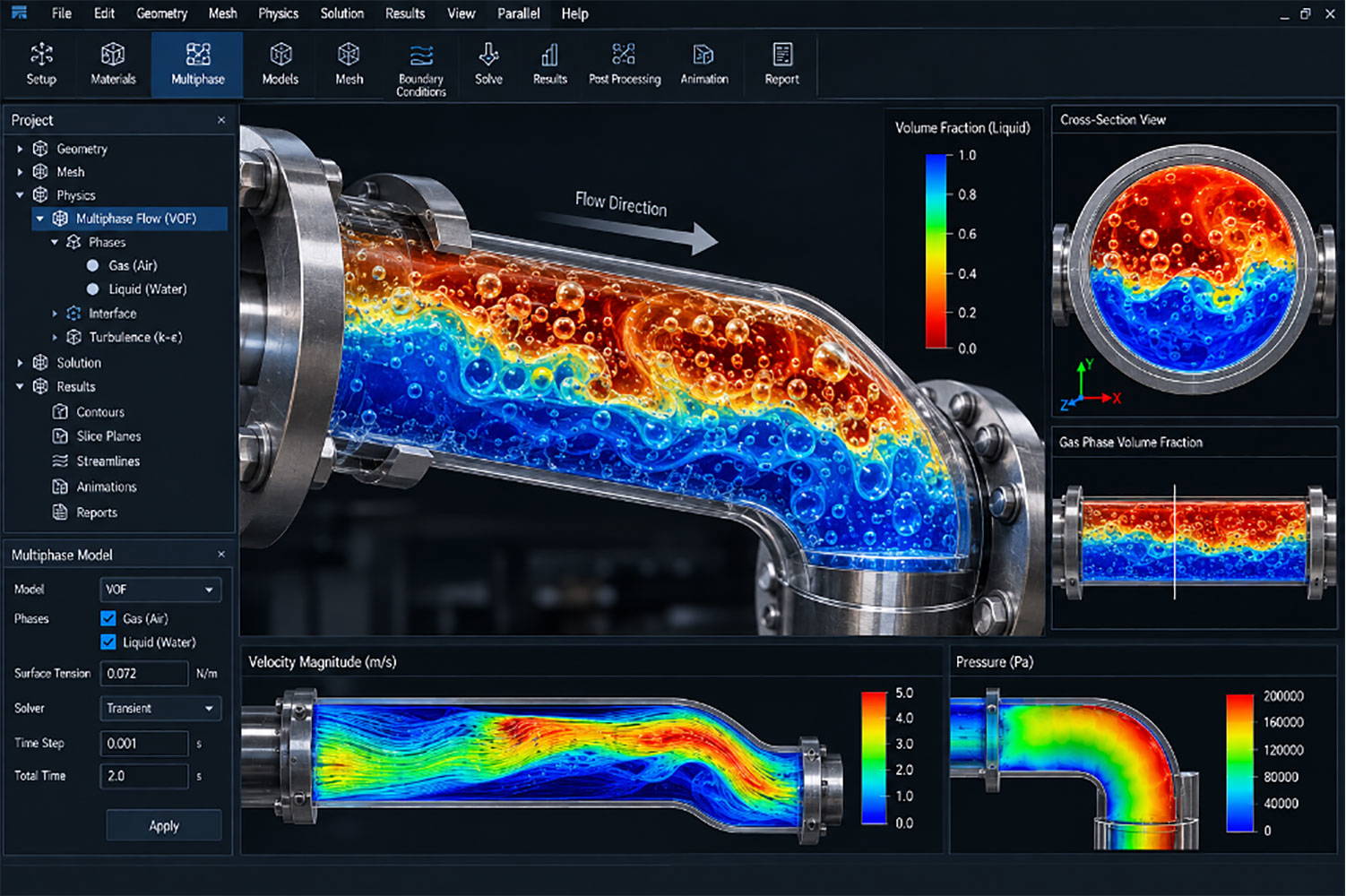
Where a system involves more than one fluid phase, such as liquid and gas together, we model that interaction to predict system behaviour accurately, an area where simplified assumptions tend to give misleading answers.
Design Comparison Studies
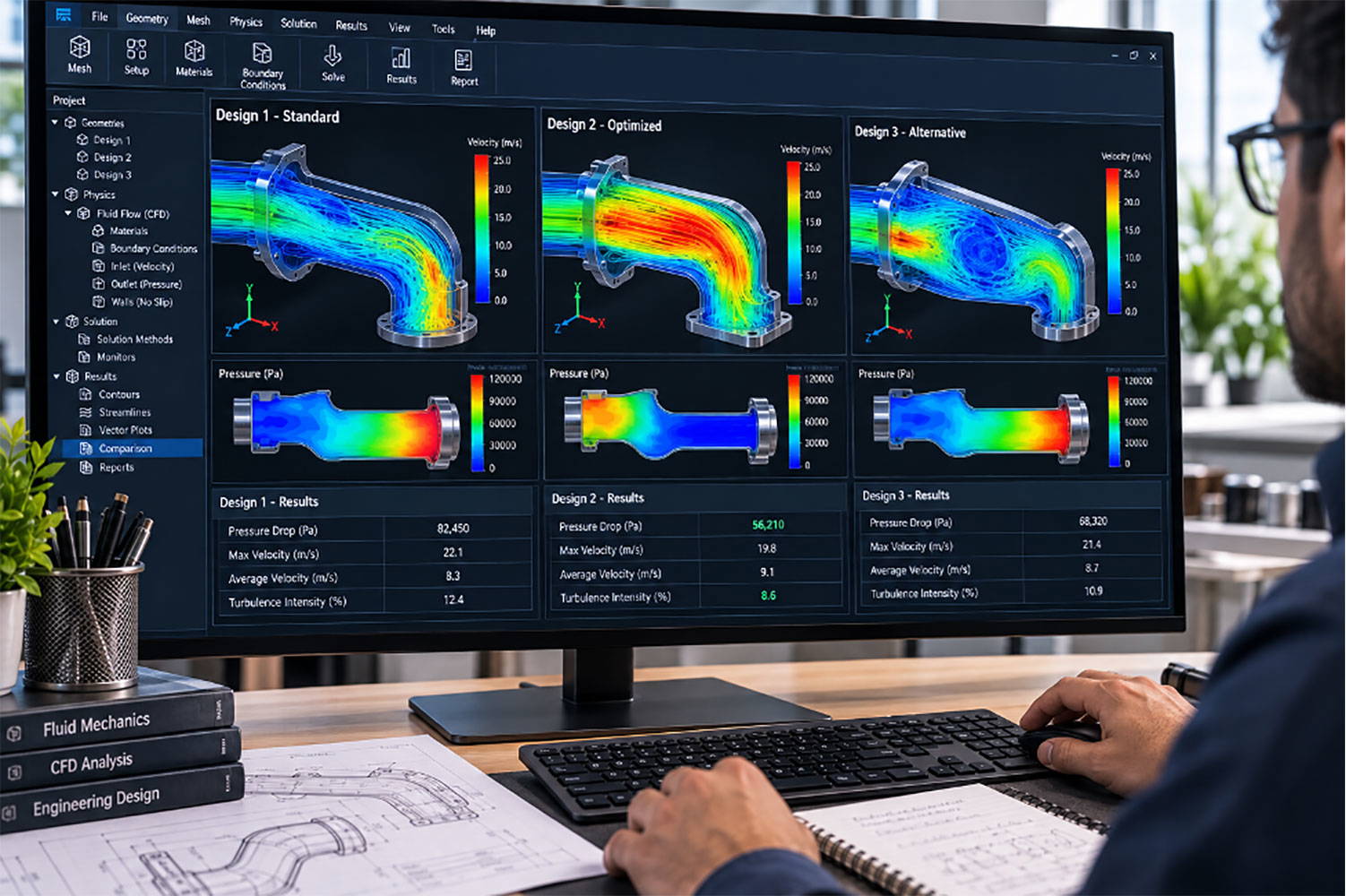
Running multiple design variants through simulation side by side, so decisions between design options are based on quantified performance data rather than intuition alone. This is particularly valuable early in a project, when several design directions are still genuinely on the table.
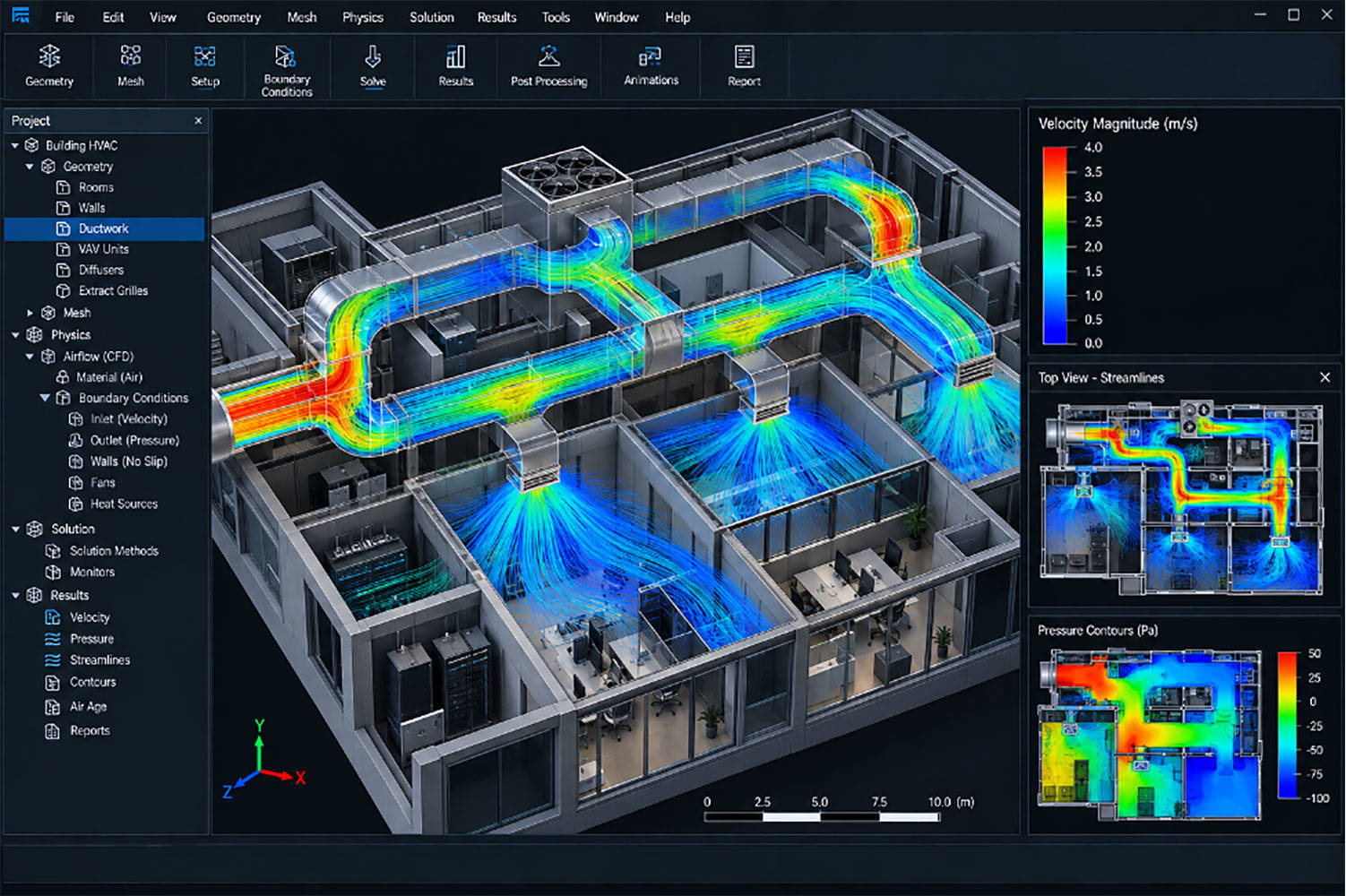
Ventilation and Airflow Studies
Analysis of airflow through mechanical and building service systems, used to evaluate efficiency, identify dead zones, and confirm a system will perform as intended before installation, avoiding costly rework after equipment is already in place.
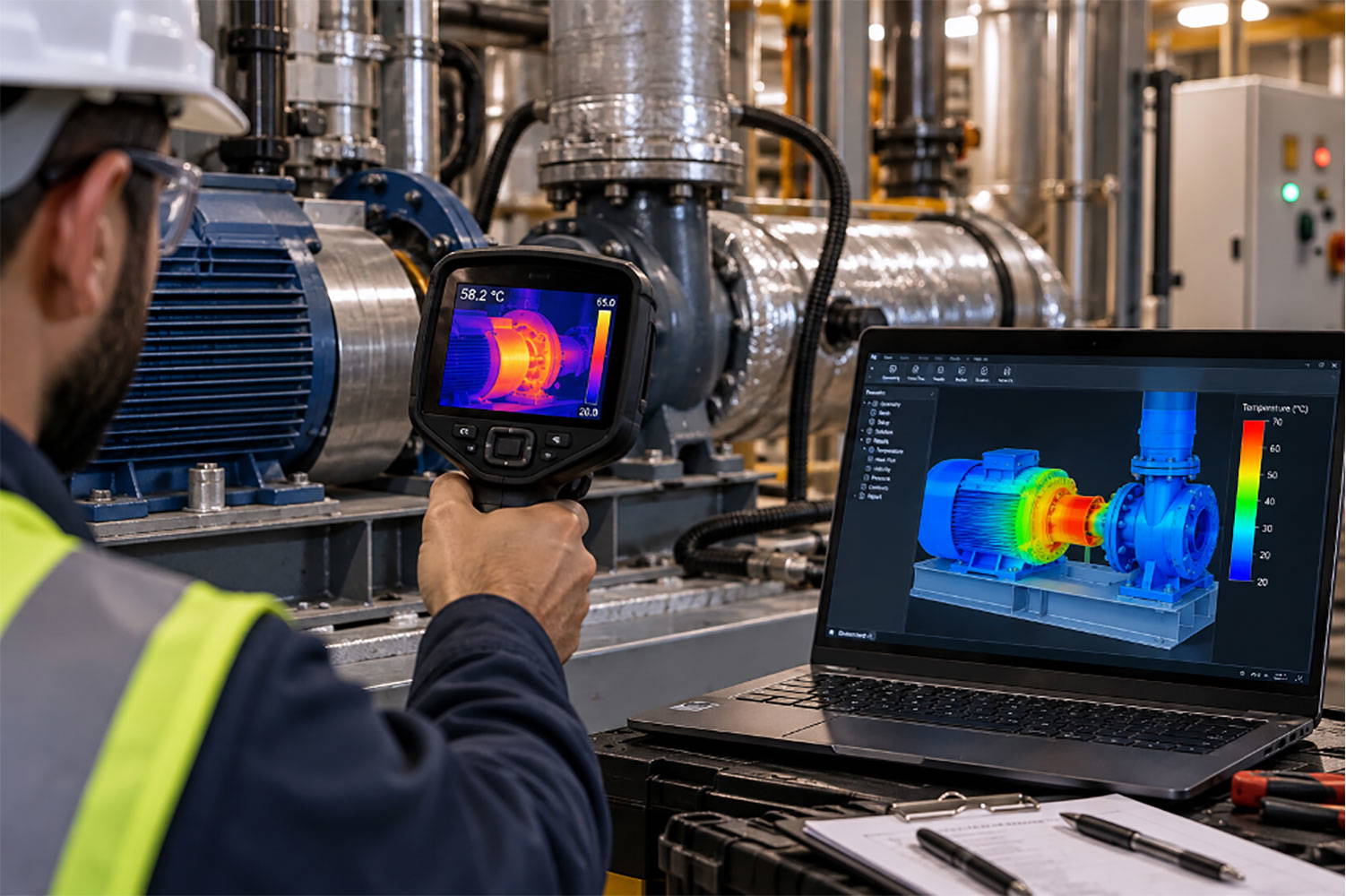
Troubleshooting Existing Systems
Where an installed system is underperforming, overheating, or behaving unpredictably, we use CFD to diagnose the underlying flow or thermal issue and recommend a practical fix, often resolving problems that have resisted straightforward physical troubleshooting.
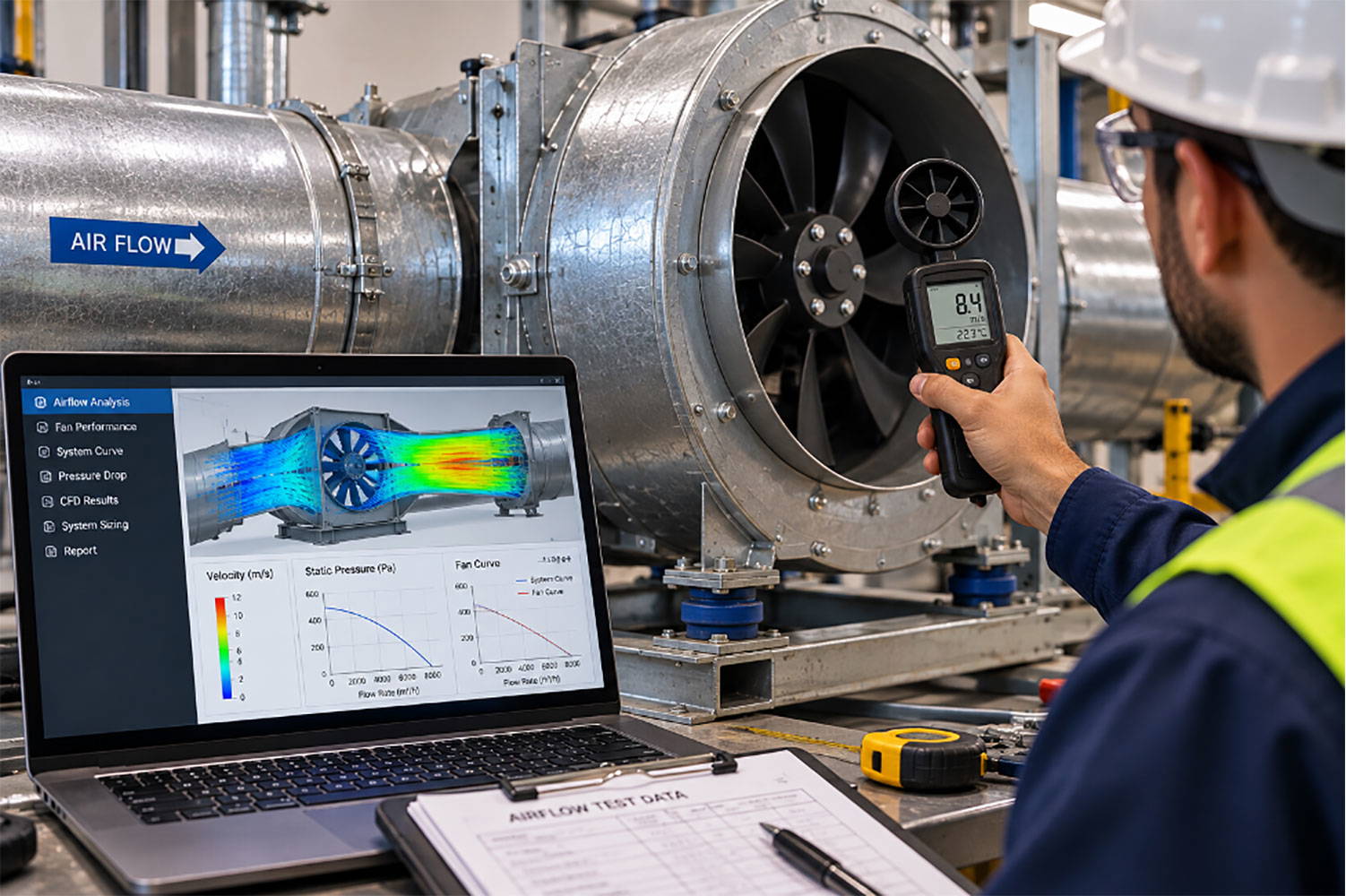
Fan and Airflow System Sizing
We evaluate fan and blower performance within a specific system, confirming that a chosen unit will actually deliver the airflow the system needs once real resistance and geometry are accounted for, rather than relying on nominal fan specifications alone.
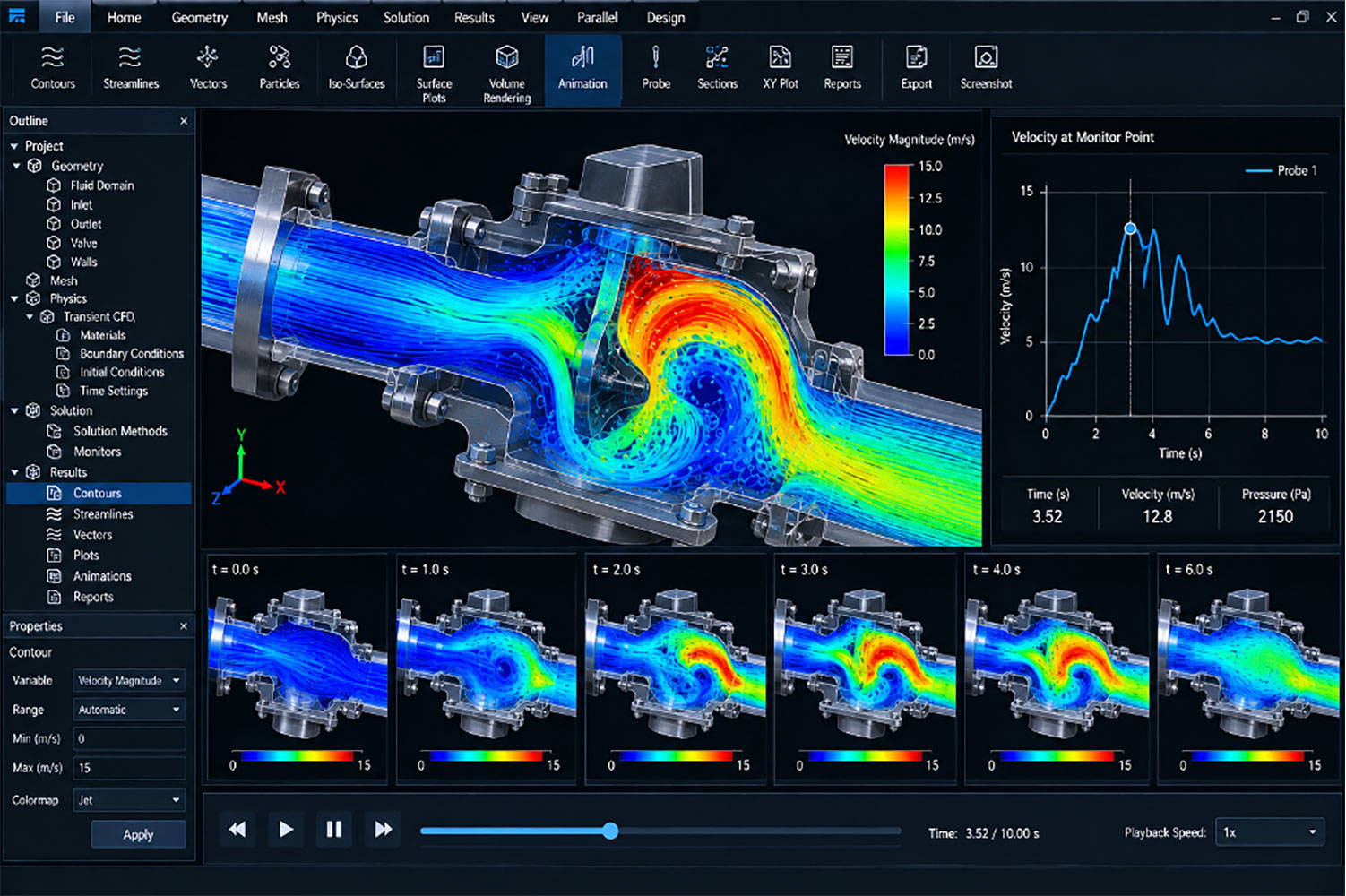
Transient and Time-Dependent Simulation
For systems where conditions change over time, a start-up transient, a variable duty cycle, or a system responding to changing external conditions, we run time-dependent simulation to capture behaviour that a steady-state model would miss entirely.
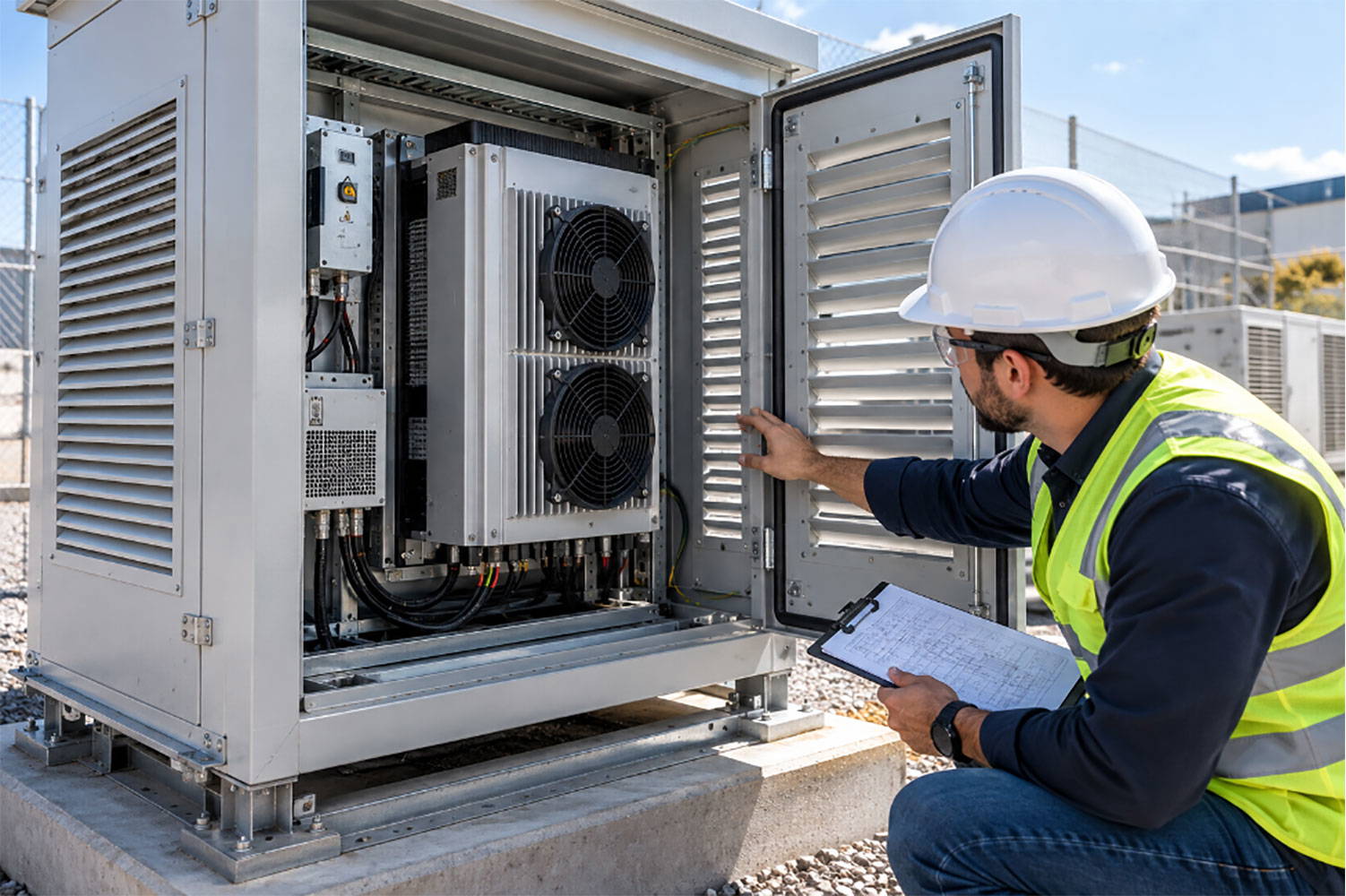
Environmental and Enclosure Studies
Assessment of how equipment performs within its actual operating environment, including the effect of ambient temperature, enclosure placement, and surrounding equipment on overall thermal and flow performance.
Our Process
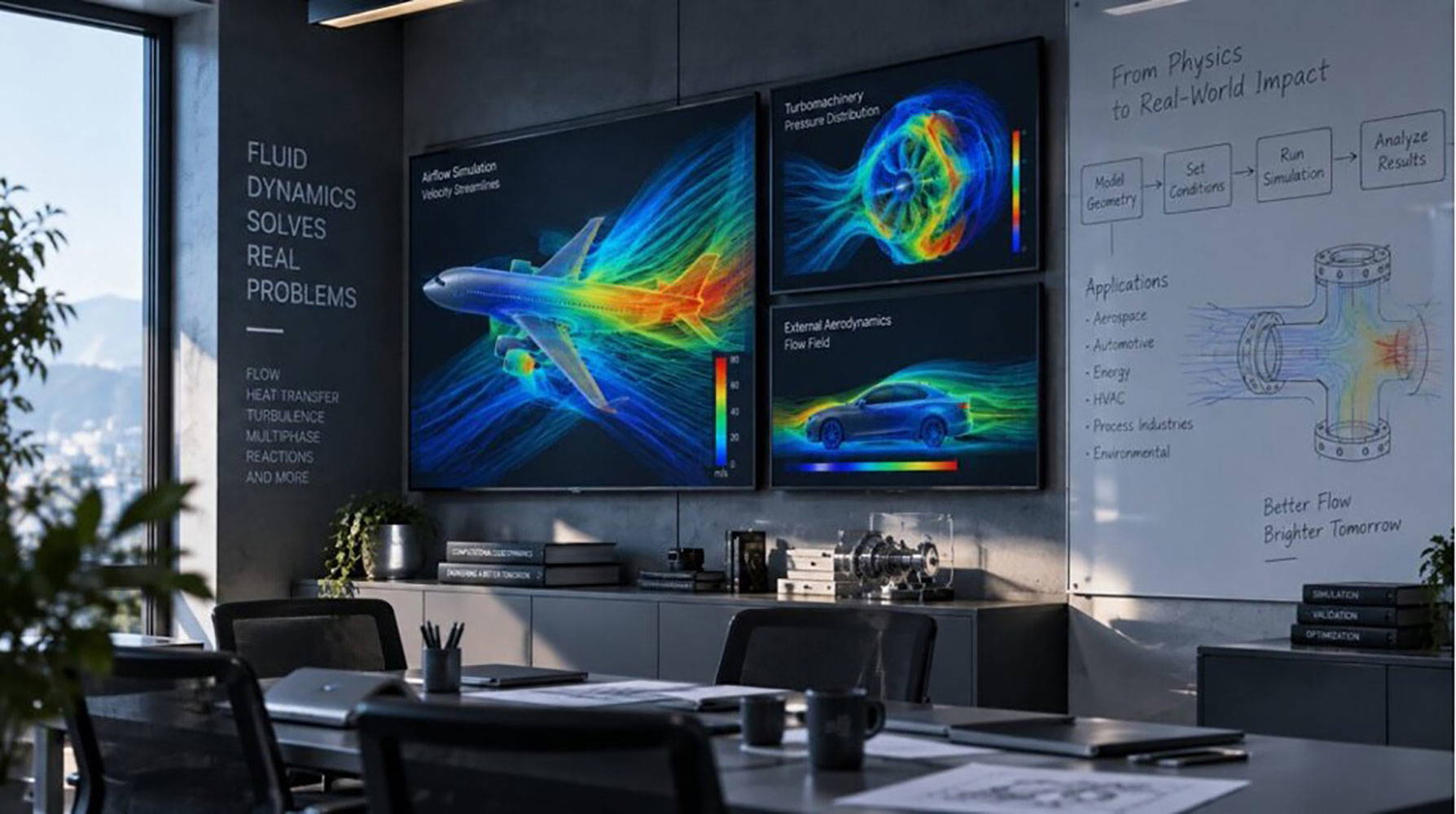
We begin every CFD project by clarifying the specific question that needs answering, since a well-defined question is the single biggest factor in getting a useful result efficiently. We then build the computational model, including geometry preparation, mesh generation, and definition of boundary conditions such as flow rates, temperatures, and heat sources.
Once the simulation runs, we check results carefully for physical plausibility and convergence before presenting anything as a finding. Every project concludes with a written report explaining the results in plain engineering terms, along with specific, actionable recommendations, and we remain available to run further design iterations as needed.
Frequently Asked Questions
What's the difference between CFD and physical airflow or thermal testing?
Physical testing tells you the end result at the points you happened to measure. CFD shows you the full picture, flow and temperature at every point in the model, and lets you understand why a result is happening, which makes it far easier to actually fix a problem rather than just confirm it exists.
How accurate are CFD results compared to reality?
When set up correctly, with appropriate boundary conditions and a properly validated model, CFD results are reliably accurate enough to guide real engineering decisions. We are transparent about the assumptions behind every model, and where it matters, we recommend a final physical check to confirm critical results.
What information do you need to start a CFD study?
Geometry of the system (CAD model), the operating conditions involved (flow rates, temperatures, heat sources, pressures), and a clear statement of what question you need answered. We can help define the boundary conditions if they are not yet fully known.
Can CFD help with a problem we already have, not just a new design?
Yes, this is one of the most common reasons clients come to us. An existing system is overheating, underperforming, or behaving in a way nobody expected, and CFD lets us find the actual cause rather than guessing and re-testing repeatedly.
How long does a typical CFD project take?
A focused study on a single component or simple flow path can often be completed within one to two weeks. More complex systems, involving multiphase flow, transient behaviour, or large assemblies, take longer. We give a clear timeline once we understand the scope.
Do you provide recommendations, or just the simulation results?
Always recommendations. Raw simulation output is not useful on its own. Every project we deliver includes a clear engineering interpretation of the results and practical suggestions for what to change and why.
Can CFD help reduce the noise a system produces, not just its thermal or flow performance?
Flow-induced noise is closely related to turbulence and flow separation, both of which CFD can identify. While acoustic simulation is a specialised extension of this work, our flow analysis often highlights the geometry changes that would meaningfully reduce noise as a secondary benefit.
Is CFD only useful for large, complex systems, or can it help with small components too?
It is genuinely useful at both ends of the scale. A small heat sink or a single duct section can benefit just as much from simulation as a full system, often with a much faster turnaround since the model is simpler.
Can you simulate a system under conditions we can't easily test physically, like extreme temperatures or altitude?
Yes, this is one of the clearest advantages of simulation over physical testing. Extreme, hazardous, or simply impractical operating conditions can be modelled numerically without needing to recreate them in a lab.
Do you need a powerful in-house computer to run these simulations, or is that on your end?
That is entirely on our end. You do not need any special hardware or software; you provide the geometry and operating conditions, and we handle everything from model setup through to the final report.
How do CFD and FEA work together on a single project?
Many real problems involve both flow and structure, for example, wind or pressure loading on a component, or thermal stress caused by an uneven temperature field. Where relevant, we combine our CFD and FEA capabilities so the thermal or pressure results from one feed directly and accurately into the other.
Engineering Services
Computational Fluid Dynamics (CFD) Services Brochure
Engineering Services
Computer-Aided Design (CAD) Services Brochure
Engineering Services
Finite Element Analysis (FEA) Services Brochure